The 1800s had some rather unusual ways of settling fines…and not all of these involved handing over coins. In some cases, people cleared their debts with animals & in others, they would sweat it out on road crews. Here are eleven forgotten ways people paid fines in the 1800s. Which of these would’ve annoyed you the most?
Featured Image Credit: Shutterstock.
Paying in pigs under Tahiti’s 1819 code

In Tahiti in 1819, you could get fined in pigs for stealing them. Stealing one pig meant that you owed four back, which was mostly because these animals were high-value & food-producing property back then. Missionaries printed copies of the code. This way, locals knew exactly what a slip-up with livestock could cost them.
Mats as a formal fine for drunkenness

That’s not all for Tahiti. Anyone who was caught getting drunk would have to pay a fine of two mats, although these weren’t necessarily the throwaway straw kind. You had to pay with two hand-woven mats, the kind that people used in homes & ceremonies. These were valuable items & losing them likely hurt more than paying with coins.
Working off court fines on Hawaii’s public works

Anyone in the Hawaiian Kingdom who didn’t have the money to pay for a fine had to pay in a different way. It started by using a shovel. Yes, offenders were assigned to road or harbor projects until their debt was cleared, with the penal code even laying out how the math worked. Each day of labor helped to reduce how much they owed.
Leasing convicts to private companies

Fines often turned into forced labor in the American South after the Civil War. States like Georgia cut deals with railroads & mines by “leasing” out convicts, specifically those who couldn’t pay their fines or court costs. When that happened, you’d end up breaking rocks or digging tracks & your labor counted as payment instead of cash.
County road gangs to “work out” fines

However, some counties went smaller-scale by putting prisoners on road gangs, rather than leasing them statewide. Anyone who missed a fine would get a pickaxe & would be sent to clear brush or fix wagon paths. The county clerk kept track of the days you worked until the fine was “paid off.” Sure, it wasn’t glamorous work, but it was rather effective.
An ounce of gold dust for on-duty drunkenness

In the 1850s, California mining outfits took people drinking on the job quite seriously. A shareholder who showed up drunk during work hours would have paid a fine…of one ounce of gold dust. It wasn’t exactly small change. Once they paid it, the company would measure out & weigh the ounce, then immediately add it to their funds.
Fines paid by forfeiting seized contraband

Smuggling goods into U.S. ports in the 1800s was illegal, but you wouldn’t necessarily have to pay a fine if you were caught. Sometimes the government just took the contraband & auctioned off the cargo. Then, the value was counted against the penalty. It essentially meant that your rum or cloth became its own fine payment.
Mining-camp penalties docked from a share of the take
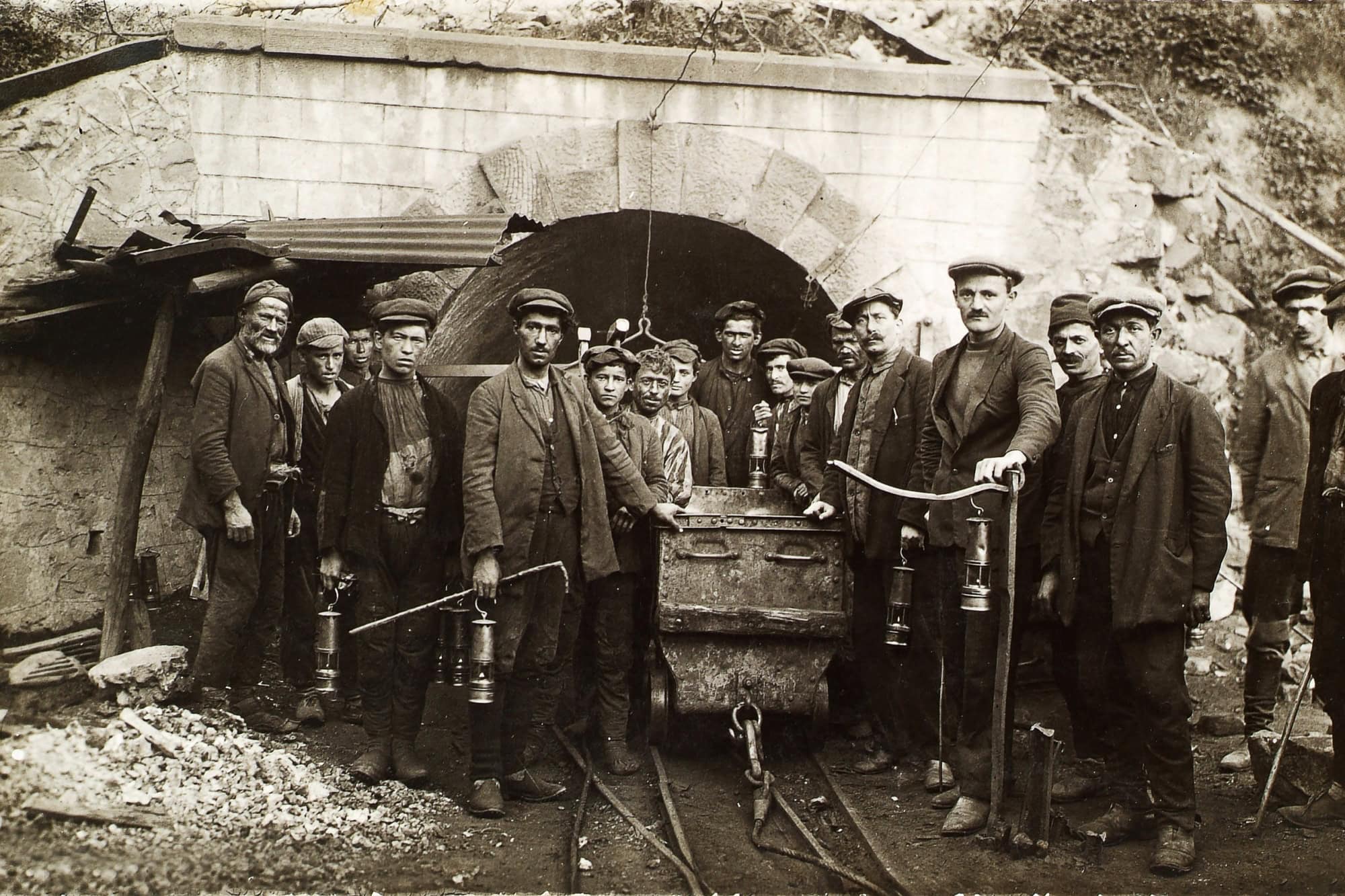
Some mining camps had rules that involved collecting fines in a different way. They’d pull the amount straight from a worker’s claim, so whenever a miner broke a camp rule, part of his gold share or dividend was docked automatically when the profits were divided. This worked almost like a tax.
Oyster boats forfeited for unpaid fines in Maryland

Maryland’s oyster police weren’t bluffing in the late 1800s & anyone who couldn’t pay a poaching fine within twenty days didn’t get off scot-free. The judge could simply rule that the person give up their entire boat. The boat gear went with it, too. As such, a dredger could walk into court hoping for a payment plan, but then walk out without a vessel.
Territorial pounds sold loose hogs

It sounds strange, yet hogs wandering around towns in Washington Territory could become the fines themselves. Officials rounded them up & sold them off at public auction. Then, they’d put the sale money into the county treasury, so pig owners would literally have their animals pay their debt for them.
Forfeited beer stood in for cash penalties
Massachusetts had strict liquor rules & courts didn’t always wait for coins when people broke them. Instead, they’d seize barrels of beer or malt liquor in transit outright. One case involved the Boston Beer Co. seeing its shipment vanish straight into the state’s hands. The fine was fully covered…and without a dollar exchanged.
Sources: Please see here for a complete listing of all sources that were consulted in the preparation of this article.
Like our content? Be sure to follow us.