

Christian gatherings in the second century were pretty different from those that you see today, and some of the ways that they stayed connected were weirdly personal.
A small greeting

It starts with a kiss. Quite literally. Yes, the kiss of peace involved people walking into a gathering and prayers finishing. They’d then greet each other with a kiss. It wasn’t a romantic thing, and there wasn’t any awkward flirting.
That was how they did things back then. People in the second century did it before sharing communion. In fact, Paul the Apostle used to tell churches to greet each other that way. He encouraged people a few times about doing the ‘holy kiss.’ Imagine doing that today.
A different kind of family
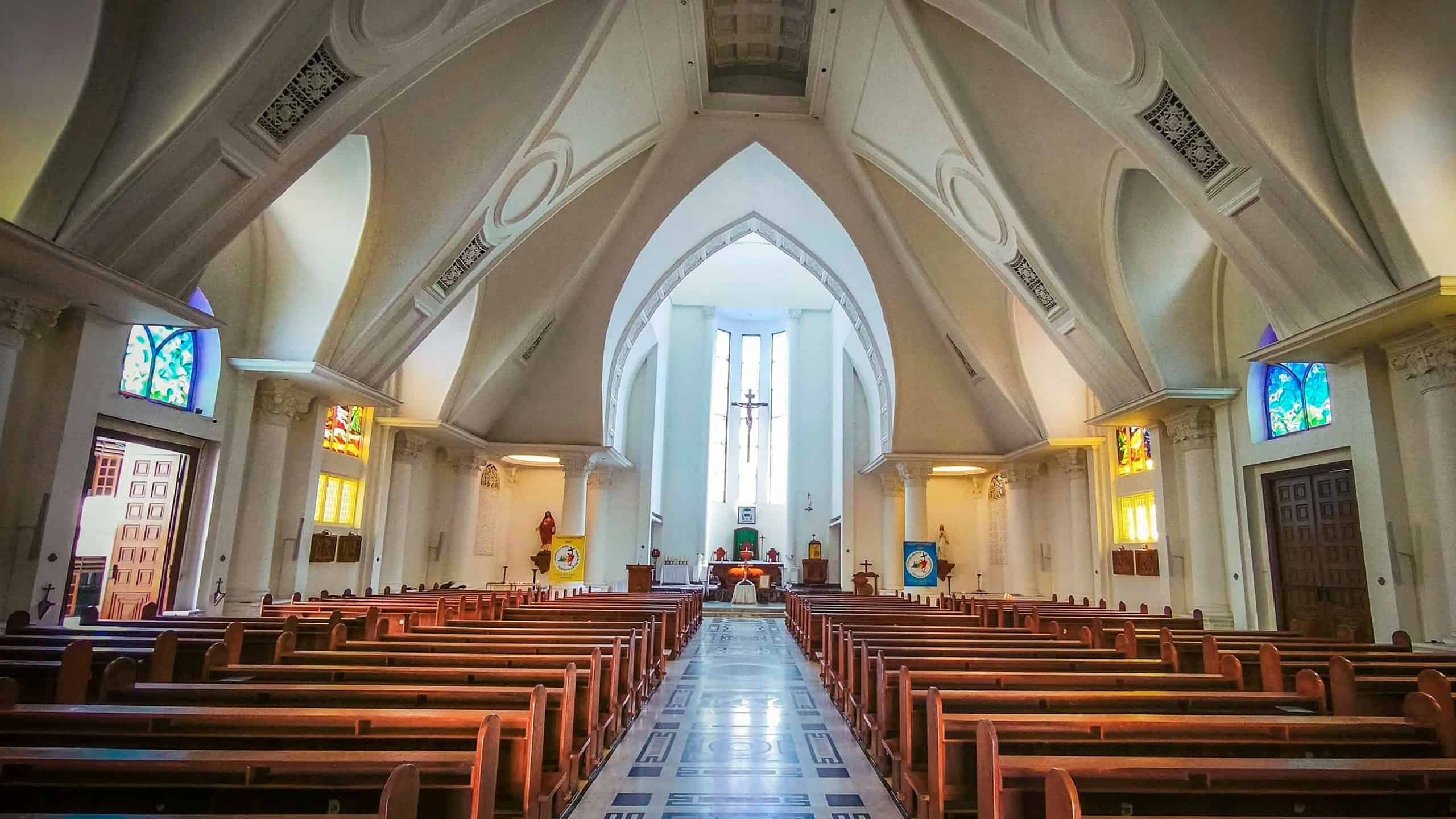
Calling strangers ‘brother’ and ‘sister’ was completely normal. There was no need for explanation. No last names. Early Christians talked about each other in that way, no matter if they were merchants, widows, servants, people from different cities, or something else.
They’d talk like they’d known each other forever. However, they weren’t pretending to be related or anything. They genuinely believed they were all united in worshipping God. So they used these family terms.
A borrowed letter
Some churches wouldn’t simply keep their letters. They’d read them out loud. They’d copy it. Then, they’d send it somewhere else. They shared letters they got from their flock with other churches.
It could be a letter written hundreds of miles away. But they still did it.
The news traveled pretty slowly back then. Yet these letters? They stopped churches from feeling isolated, and it helped remind them that they were part of a greater community.
A trusted carrier
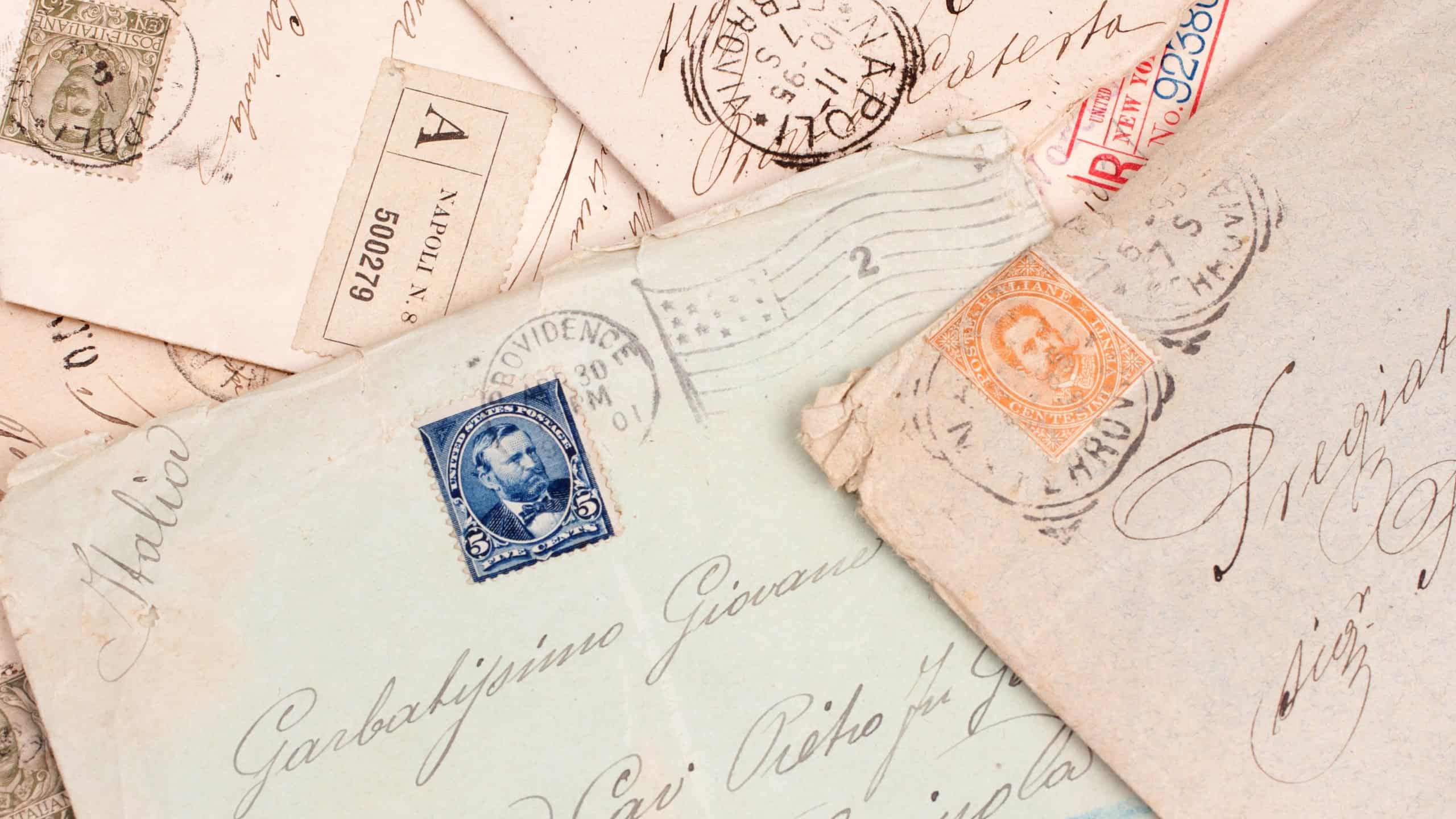
That’s not all. The person delivering the letter mattered, too. They couldn’t simply drop it off and walk away. No, the messenger had to take updates with them. They had to be prepared to answer questions. They might even need to stay.
Early Christians saw them less like hired help and more like representatives of the church. They connected churches with believers in far-off places. The messenger really mattered.
An unusual table
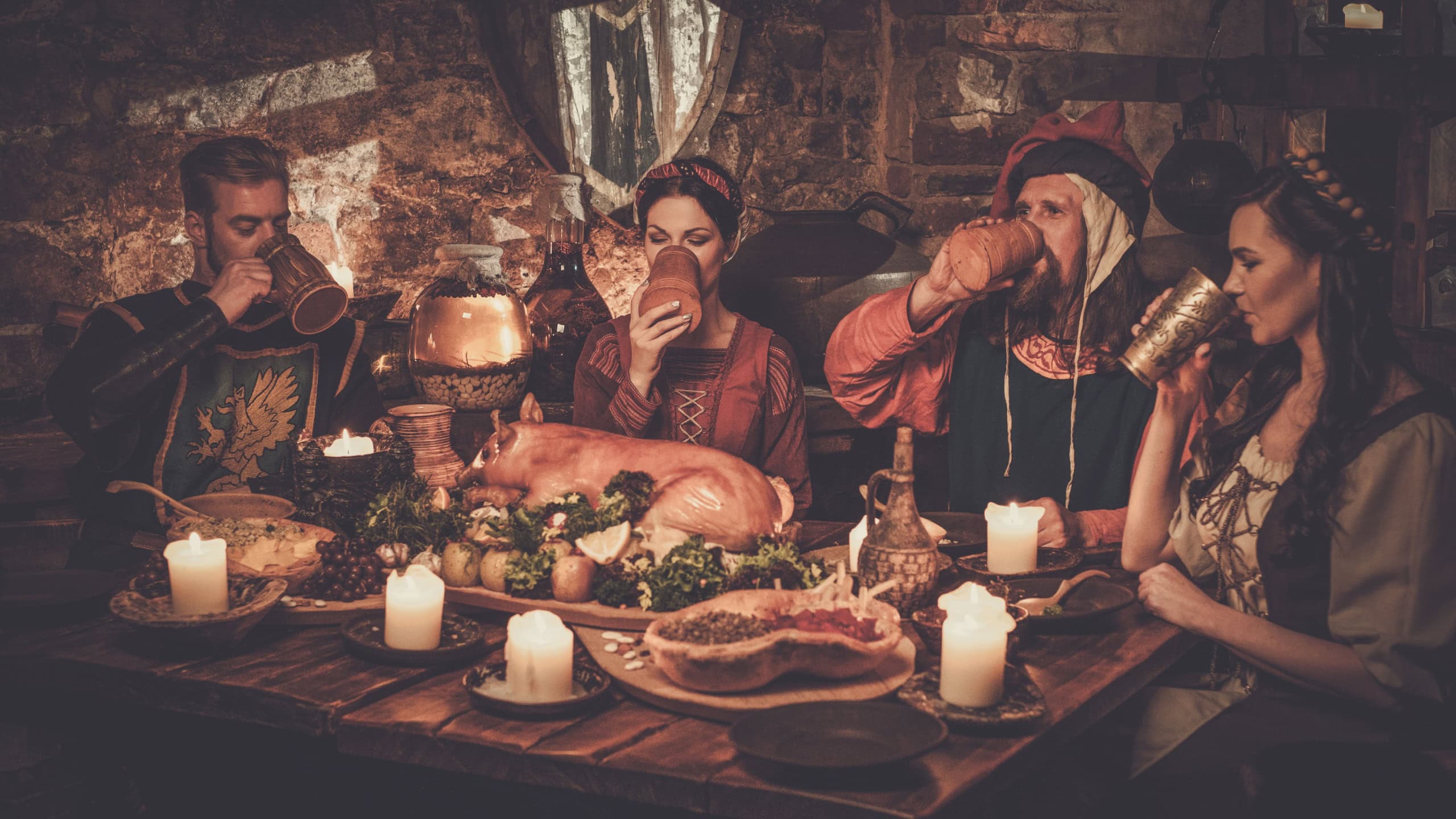
Romans, like every society, had certain rules. But theirs included who could eat with who. The rich could only dine with the rich, workers only with workers. Slaves knew their place. Then the Christians came to change all of that.
They started connecting in completely new ways. Business workers sat by laborers, and widows ate with people from powerful houses. People who wouldn’t share a doorway now shared bread. They saw the humanity in each other. It was pretty revolutionary back then.
A paper trail
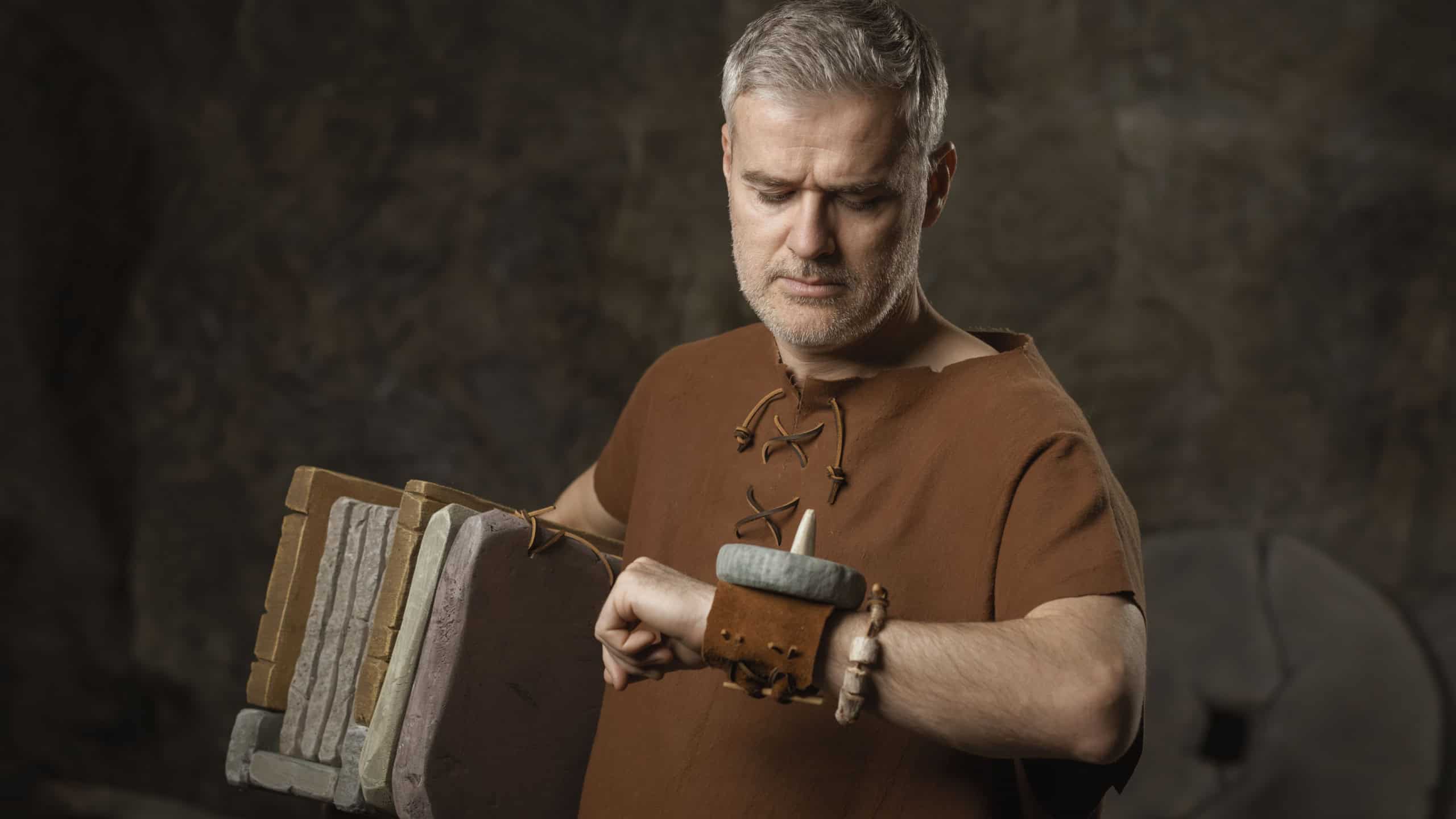
Travel wasn’t easy in the ancient world. It’s no secret. Showing up to a new city and saying you were a Christian wasn’t enough. That’s why some believers took letters with them. Yes, they’d take ‘proof’ that the church knew who they were, and yes, they belonged there.
They weren’t passports exactly. But they were close enough. Those letters opened doors for merchants moving goods and for teachers visiting other cities. A single letter connected them. Now, they were connected to believers they’d never met before.
A hard visit
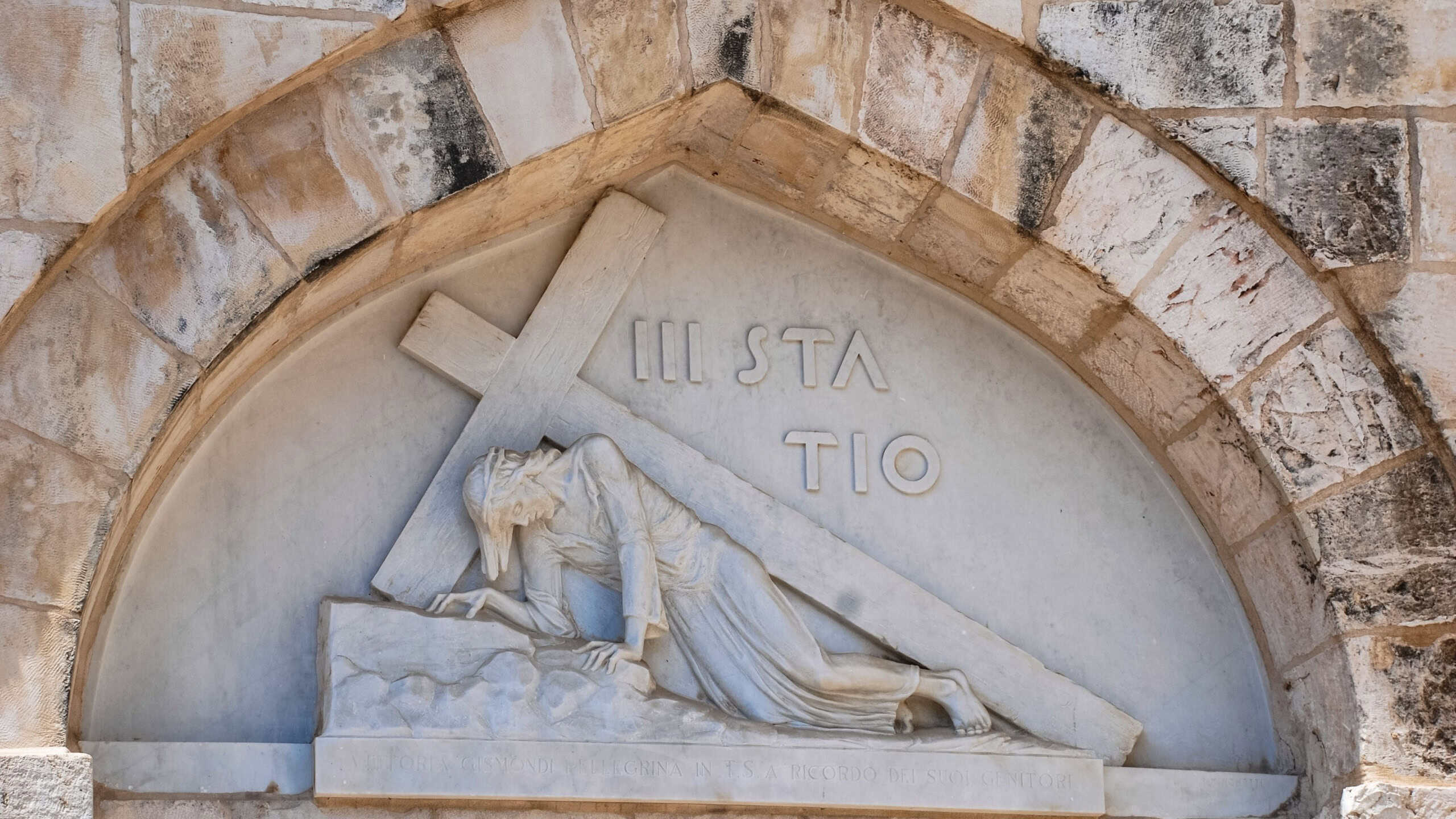
Sadly, some Christians were arrested for their faith. They’d end up in prison or exile. Some of them were forced into mines. It was a slow death sentence, essentially. However, the church didn’t forget them, and they made sure to stay in contact with these people.
They’d send food. They’d send letters. In some cases, they sent money as well. Church leaders wrote to flock members who were being punished, and they made sure their names stayed known. They belonged somewhere still.
A shared piece

Letters weren’t the only way of connecting. Some churches would finish communion in one city. Then, they’d send it to another place. They’d give some of their bread to a traveler or a church messenger, and it’d go to a different church.
The other church made it part of their own Eucharistic bread. It got the name fermentum later. The bread actually went pretty far sometimes. Yes, it’d go from Rome to North Africa, sometimes to Asia Minor, as well. Different accents and different faces. But the same meal.
A meal with a name
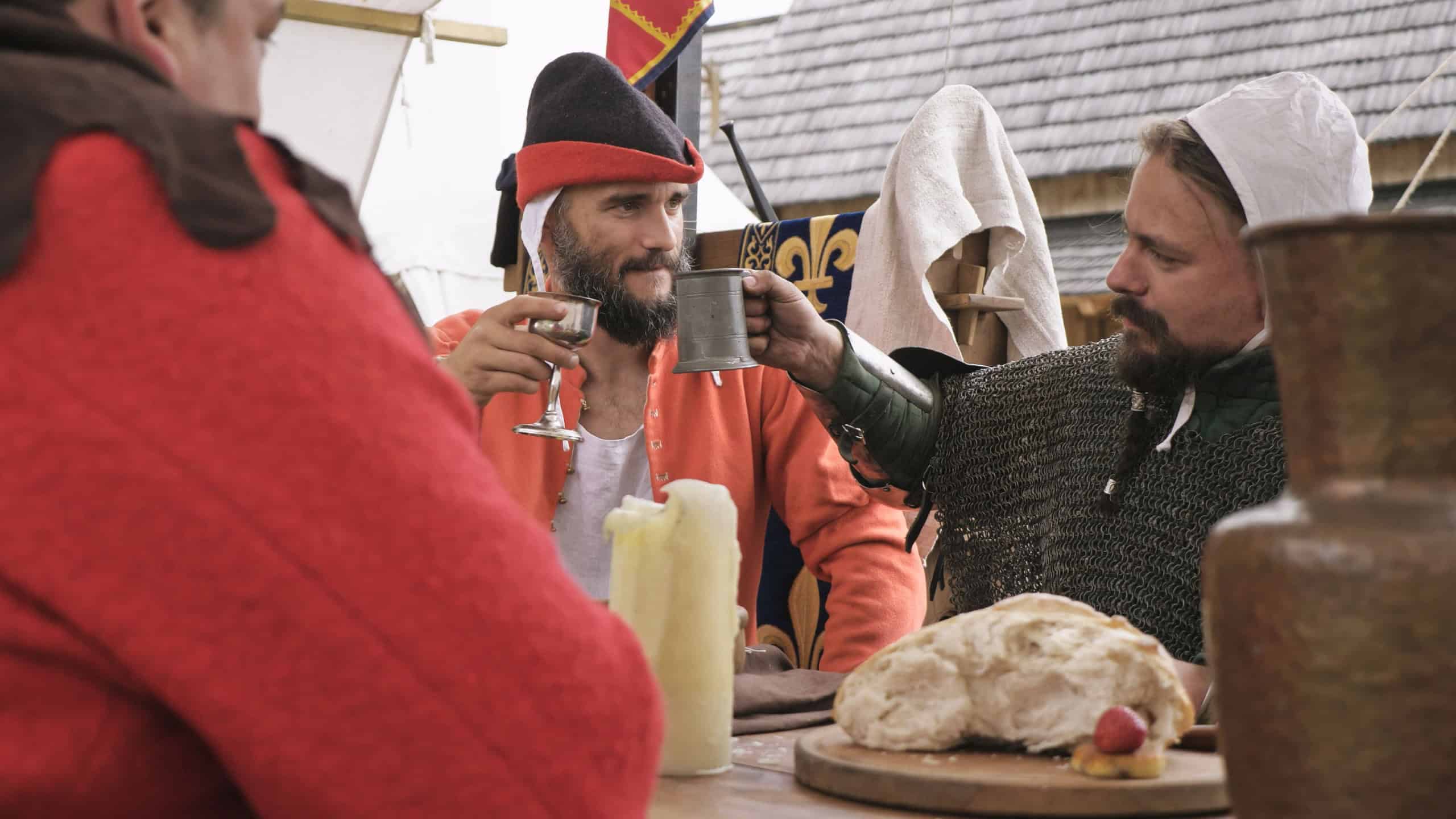
An agape meal was pretty long. You’d settle in for a while at one, maybe even for a few hours. What was it? A time for people to come together and enjoy good food. It was also called a ‘love feast.’
Flock members ate together and talked. Sure, it might’ve seemed like your standard meal. But people would notice when someone didn’t show up for weeks. They knew when a family was struggling. It was a time for checking that everyone was okay in the flock.
An urgent delivery

Early Christians didn’t simply say, ‘We missed you.’ They made an effort. Deacons would visit anyone who couldn’t make it to the church, and they’d take communion to them. It didn’t matter how far.
It didn’t matter if it was age, illness, injury, or something else holding them back. You weren’t ever really absent from the church. Someone always came. Someone was always there to keep you connected with the rest of the believers.
A woman’s instruction

Some church lessons came while kneading bread. Some of them came from folding clothes. Church leaders knew that. That’s why they had older women teach younger women while they were living their real lives. They didn’t have formal classes.
They’d stay connected by teaching directly. Marriage, speech, raising children, self-control, they passed all of these on, person-to-person. The connection went from woman to woman. Leader-to-crowd lessons were only half the story.
Sources: Please see here for a complete listing of all sources that were consulted in the preparation of this article.
12 things Christians could learn from atheists

No, you don’t have to agree on your beliefs about God to pick up useful habits, and there are quite a few things Christians could learn from people used to questioning everything.


