

Some famous names had schedules that weren’t exactly…standard. They did things like cold-air baths & key-and-plate catnaps, as well as clock-set walks. Here are eleven famous figures known for their unusual daily routines. Which one would you try for a week & which one’s a hard pass?
Featured Image Credit: Shutterstock.
Nikola Tesla’s late nights, naps, and toe-curl ritual
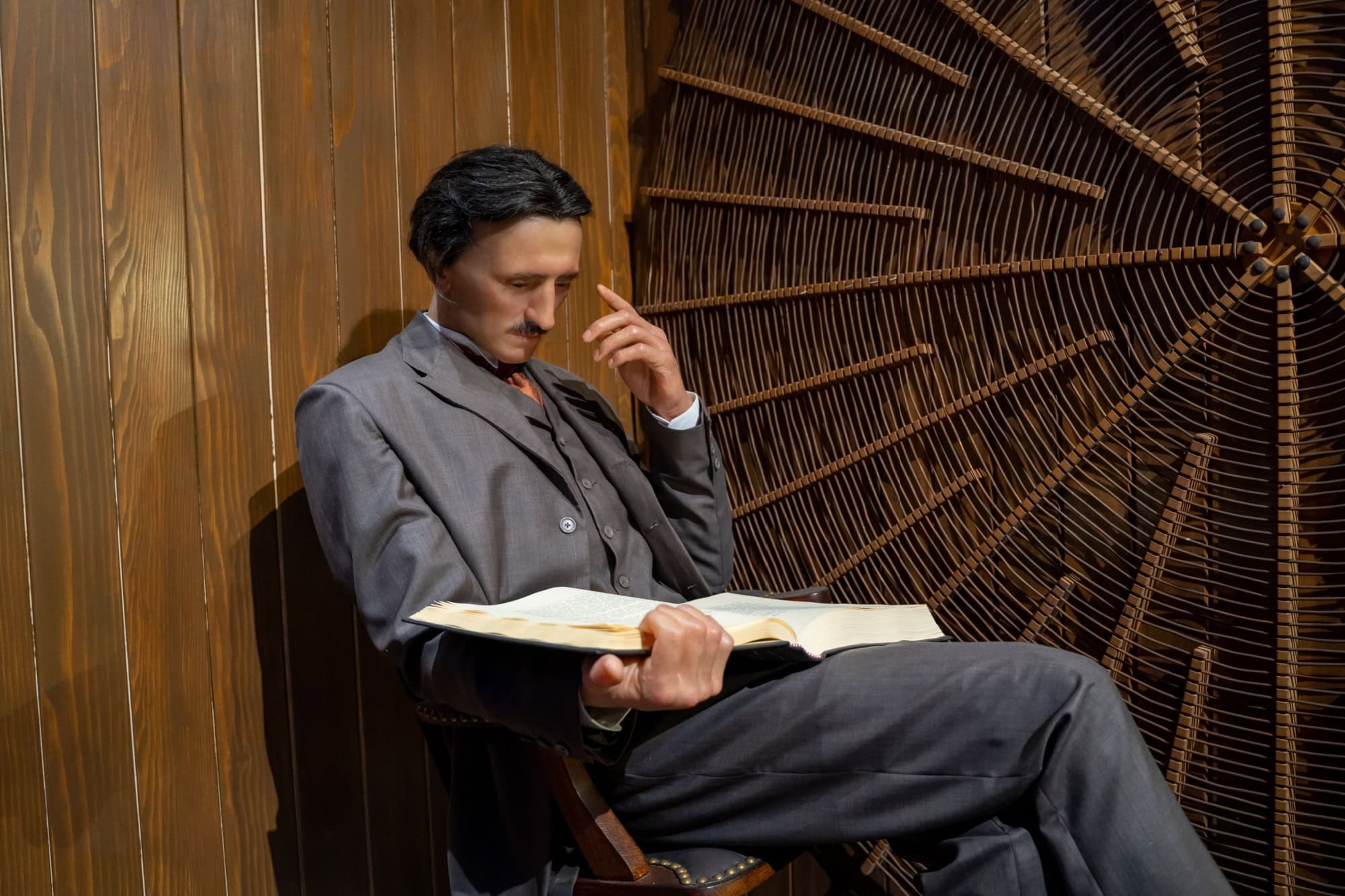
Tesla was a real night owl. So much so that he worked through the night and took short daytime naps. He also ate sparingly and, apparently, curled his toes 100 times per foot before sleep. For years, Tesla kept a strict dining schedule in New York hotels. This involved counting his jaw movements while he was chewing. Yes, really.
Benjamin Franklin’s “air bath” mornings

Benjamin Franklin sat naked in his room most mornings. He’d spend 30–60 minutes “bathing” in the cold air before he got dressed & started reading or writing. In fact, Franklin described his routine in a 1768 letter. He claimed it was pleasant & didn’t harm his health. He went as far as calling it a “tonic bath,” although we can’t say it’d be a fun way to wake up.
Winston Churchill’s scheduled afternoon sleep
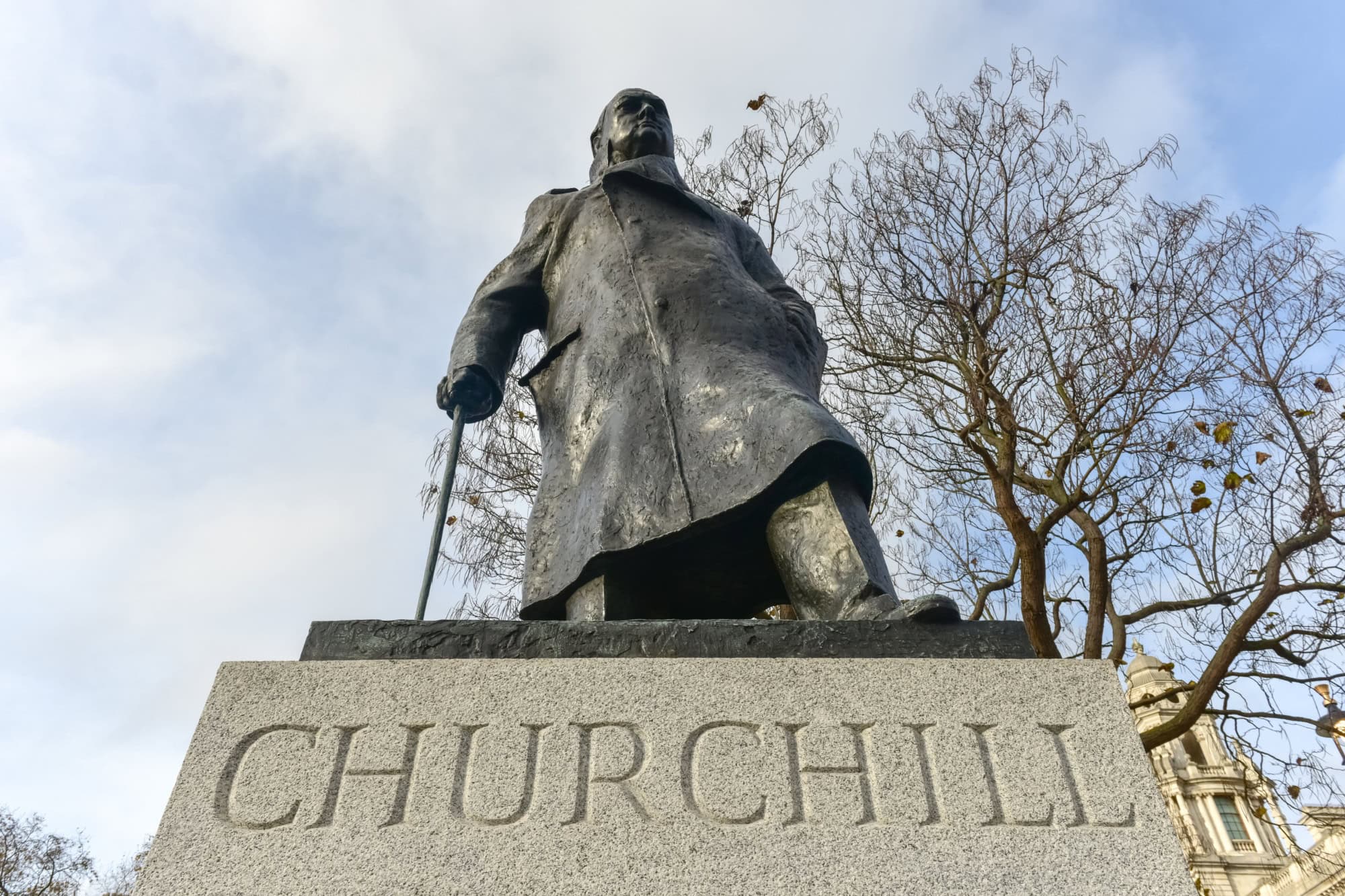
British Prime Minister Winston Churchill had a midday routine. After lunch, he’d put on pajamas & a sleep mask and take a one-hour nap, even during wartime. Why? Because he claimed it allowed him to get thirty hours out of every twenty-four, as he’d work late into the evening.
Ludwig van Beethoven’s 60-bean coffee rule

For his morning coffee, Ludwig van Beethoven was precise. Some accounts say he counted out exactly 60 beans per cup, usually in front of guests. He then brewed this in a glass contraption. But that’s not all, as there are even rumors that he loved coffee so much that he refused to let anyone brew him a cup. Talk about picky.
Haruki Murakami’s 4 AM start & endurance workouts
Haruki Murakami is one of the most famous Japanese writers of all time. And part of his success might come from his routine. When he’s writing, he wakes up at 4 AM and writes for five to six hours. He then runs 10 km or swims 1,500 meters (sometimes both). Next, he reads & listens to music, before going to bed around 9 PM.
Immanuel Kant’s clockwork daily walk

While he was a philosopher, Immanuel Kant wasn’t exactly unpredictable. He took the same walk at practically the same time every afternoon in Königsberg. He did it so often that some neighbors joked they could check the hour just by spotting him go by. Was there something special about that time?
Andy Warhol’s morning diary

Andy Warhol had a morning ritual that didn’t involve coffee. He was a big believer in record-keeping. Every day, Warhol called his friend Pat Hackett to simply tell her what happened the day before, including who he saw & what he spent. He also told her where he went. Eventually, those conversations became The Andy Warhol Diaries.
John Quincy Adams’s Potomac swims

John Quincy Adams was someone who was up before sunrise, although not to read the paper. He walked to the river. Sometimes it was the Potomac, sometimes Tiber Creek, but either way, he had the same goal. What was it? To take a brisk swim. Winter didn’t stop him either, as he still took the plunge.
Yoshiro Nakamatsu’s gold-tiled “Calm Room” retreat

You might know Yoshiro Nakamatsu as the inventor of floppy disks & many other gadgets. What you might not know is that he had a bathroom covered entirely in gold tiles. He called it his Calm Room & he spent time there every evening. Apparently, he believed the gold blocked outside “noise” like radio or TV waves, so he could think clearly.
Buckminster Fuller’s Dymaxion polyphasic sleep

Buckminster Fuller lived on just two hours of sleep a day for a long time. But he didn’t do it in one stretch. Instead, he took four half-hour naps spaced six hours apart, which he nicknamed “Dymaxion sleep.” He stuck with it for about two years. That is, until people around him encouraged him to return to a normal routine.
Igor Stravinsky’s daily headstands

Tipping yourself upside down sounds like a weird way to start the day. And that’s exactly what Igor Stravinsky did. Yep, he did a headstand in his room every morning, right before going to the piano. He thought it cleared his mind.
Sources: Please see here for a complete listing of all sources that were consulted in the preparation of this article.
Like our content? Be sure to follow us.

