
A lot of driving habits feel harmless in the moment. However, they slowly chew away at your car’s parts without making a sound. We spoke to some mechanics & they told us about some driving habits that could quietly damage your car. Here are eleven of them. Which of these do you do?
Featured Image Credit: Shutterstock.
Resting your hand on the shifter

It feels natural to lean your hand on the gear stick in a manual. But the shift forks inside aren’t built to handle that constant pressure, and instead, they’re meant for quick movements. They’re not used to you leaning on them all day. As a result, those parts can wear unevenly over time. They could even leave your gearbox feeling loose. Is it really worth it?
Turning the wheel while stopped

Turning the wheel when the car’s not rolling grinds the tires across the pavement. It stops them from rolling naturally. Worse still, it also makes the steering pump push against itself harder than it should. The result? Extra strain on rubber & hydraulics for no gain.
Holding the steering at full lock

You should also be careful how you turn the wheel. Doing so until it won’t go further & holding it there forces the power steering pump to dump fluid back over a relief valve at high pressure. That’s not good. It overheats the fluid in seconds and makes the belts squeal. It also strains the hoses and wears out the seal.
Keeping your foot on the clutch at lights

Many people feel tempted to keep the clutch pressed while they wait for green. But that puts more load on the throwout bearing, and it works better under brief bursts. Sitting too long with it pressed will wear grooves into the pressure plate fingers. It also glazes the disc. Quite literally, this habit is eating away at your car’s parts.
Making short, frequent cold trips

You’d think that a quick hop in the car would be harmless. Unfortunately, these five-minute trips don’t let the engine get hot enough to burn off condensation or fuel traces. The water sits in the oil & the mufflers rust from the inside. As for the alternator? It barely recharges. You can see the signs of this, like the cloudy residue on an oil cap.
Idling to warm up a modern engine
On old carbureted cars, warming up at idle made sense. But with fuel injection? Not so much. Letting it sit dumps extra fuel into cold cylinders & washes down the oil film. It also creates carbon in the exhaust. That’s not all, as it also means that the catalytic converter takes forever to heat. A gentle drive warms everything much faster. And also much more cleanly.
Driving with the fuel level near empty
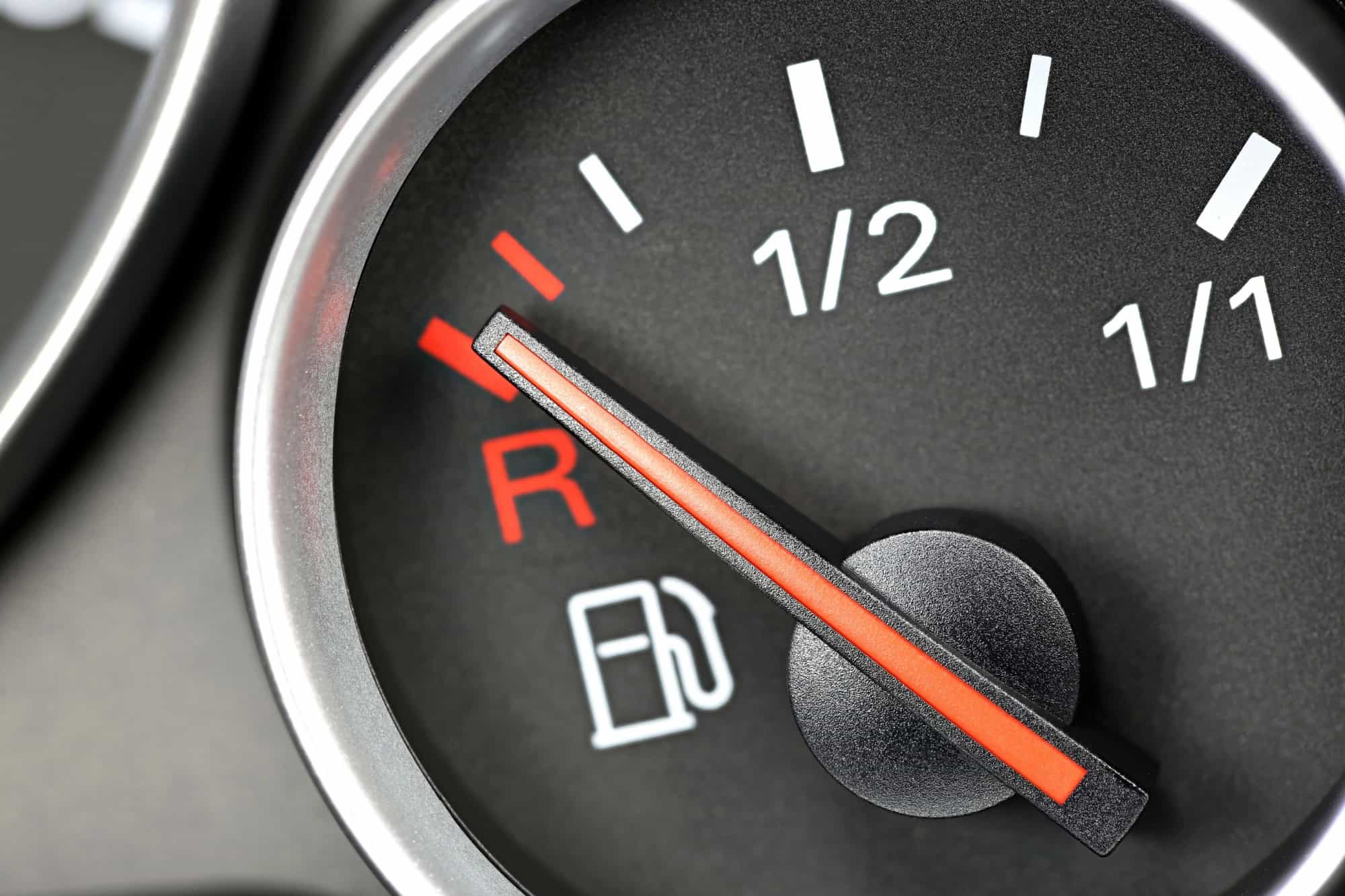
An almost-dry fuel tank causes the electric fuel pump to lose its best coolant, which is the fuel itself. Pumps are designed to be submerged. They’re not meant to suck in air. On top of that, it stirs up the sludge at the bottom of the tank & this ends up in the filter. You may have heard the pump get louder when it’s low. That’s it working harder.
Riding the brakes downhill

There’s a reason truckers call this “riding the brakes.” Lightly pressing the brakes all the way down a hill keeps the pads cooking against hot rotors. They’re not grabbing it firmly & releasing. Instead, they stay in contact and glaze over, which creates a thin polished layer. This makes the brakes squeal & grab unevenly. The fluid also heats more quickly, and that’s not great.
Hammering the throttle right after startup

Cold mornings make most people want to stomp the gas & wake their car up. The problem is, the oil hasn’t had time to circulate fully yet. The car’s pistons & bearings are running on thin protection until that pressure builds. All you’re doing with a fast rev is scuffing cold parts together, and it’ll cause scarring in your car. It’s rather expensive to fix.
Shifting between reverse and drive while rolling

Sliding from reverse straight into drive without stopping is terrible for your transmission. Why? Because it slams the clutches & gears, which are trying to stop the car’s momentum. That impact also shakes through the mounts and driveshafts. You might think you’re saving time. But really, you’re going to create major problems for your transmission fluid later.
Resting your foot on the brake pedal

Even a light foot on the brake keeps the pads brushing the rotor. This tiny drag builds heat that, sure, you won’t notice right away. But it’s enough to glaze the pads & leave shiny hot spots. And cars with sensitive rotors tend to squeal more if you keep doing this, so you might want to stop.
Like our content? Be sure to follow us.


