

American historic districts look great & this is because of their rules. However, those rules could get you in trouble if you’re not careful. They’re quite restrictive. We’ve taken the time to look at some of the guidelines, and here are eleven things that could get you fined in historic districts. Which of these surprised you the most?
Featured Image Credit: Shutterstock.
Coating unpainted brick or stone

Yes, unpainted brick may look dull. But these are usually protected, meaning you can’t simply put on some white paint or stucco. Even putting one of those waterproof sealants counts as a permanent change to the building that could get you fined. Why? Well, it’s because you can’t undo these changes easily.
Mounting equipment where it’s street-visible
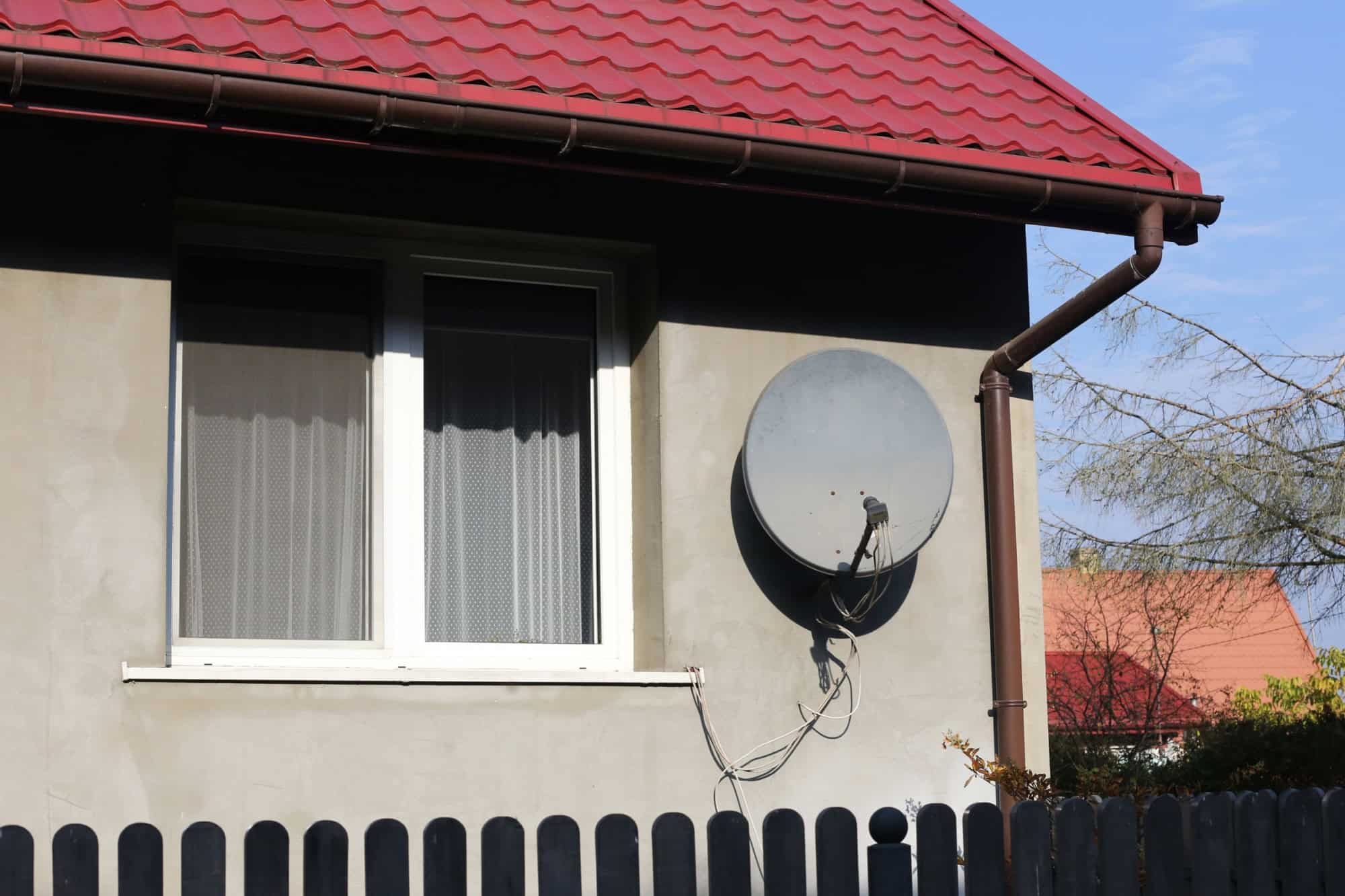
A satellite dish on the front or an air conditioner hanging out a street-facing window is a bad idea. Solar panels tilted where everyone can see them could also get you a fine. Most historic rules want any modern equipment tucked away in the back. Or, at least, hidden from the public eye.
Removing protected street or yard trees

Cutting down a tree counts for more than just your yard in a historic district. Many towns keep lists of “heritage” trees, which sometimes count anything over a certain trunk size. You can’t take down even a single one without a permit. Most of the time, you’ll also have to replant the tree with something new to make up for the old tree’s absence.
Adding chain-link or tall front-yard fences

Whenever you walk through older neighborhoods, you may notice that the front fences are usually short & decorative. You can’t put up a six-foot chain-link or a solid wood privacy wall in the front. Doing so means the inspectors will come knocking. Thankfully, side & back fences usually have more flexibility. But the local districts tightly control anything facing the street.
Cladding with vinyl or composite siding
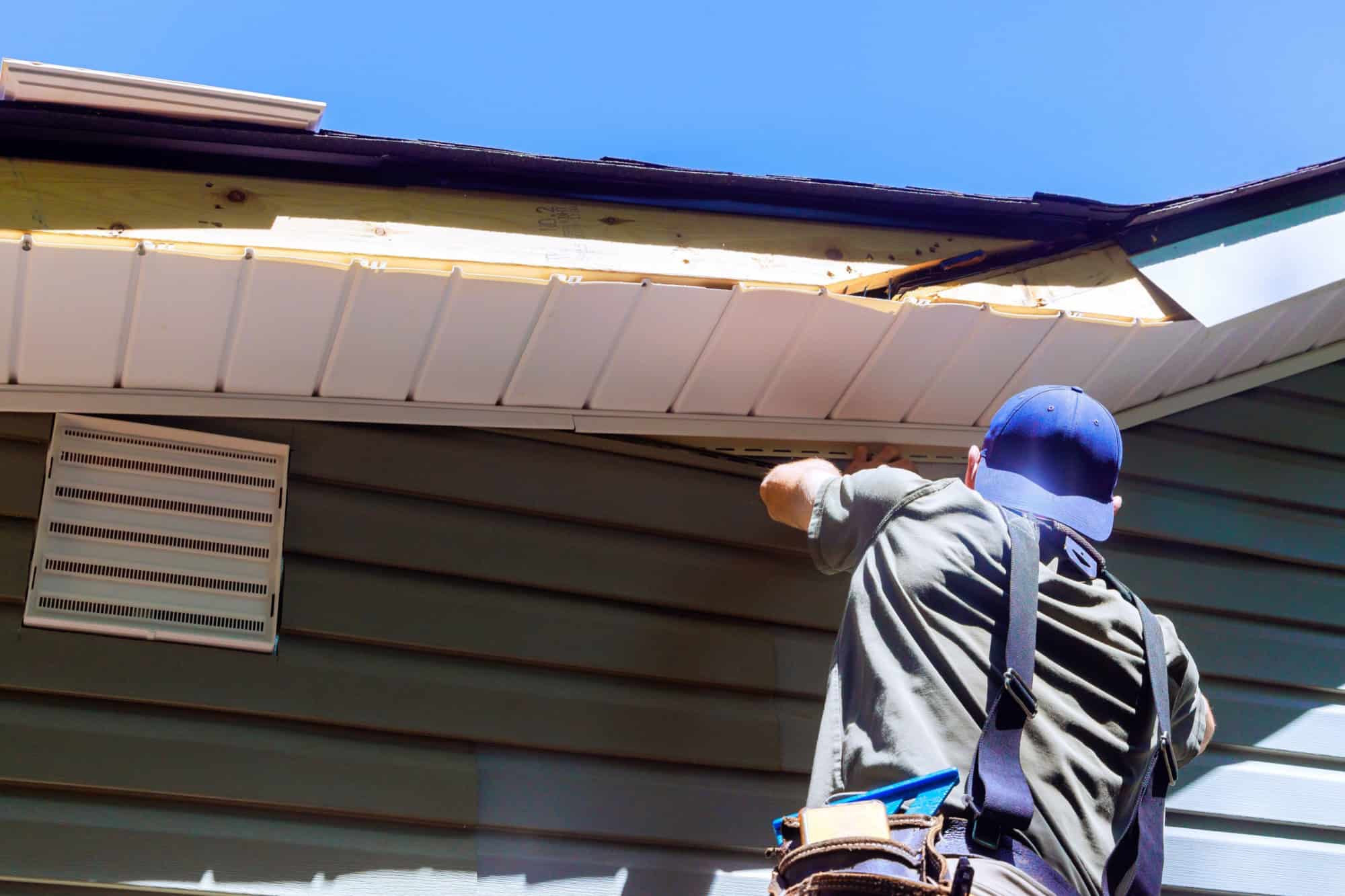
A lot of people think that they can simply cover up old wood with something low-maintenance. Sadly, that’s not the case. Vinyl or fiber cement siding requires special approval in historic districts because the boards want the original wood repaired. They don’t want it simply buried under a new layer. As such, you’ll need to put in the money to get it fixed properly.
Letting a landmark decay
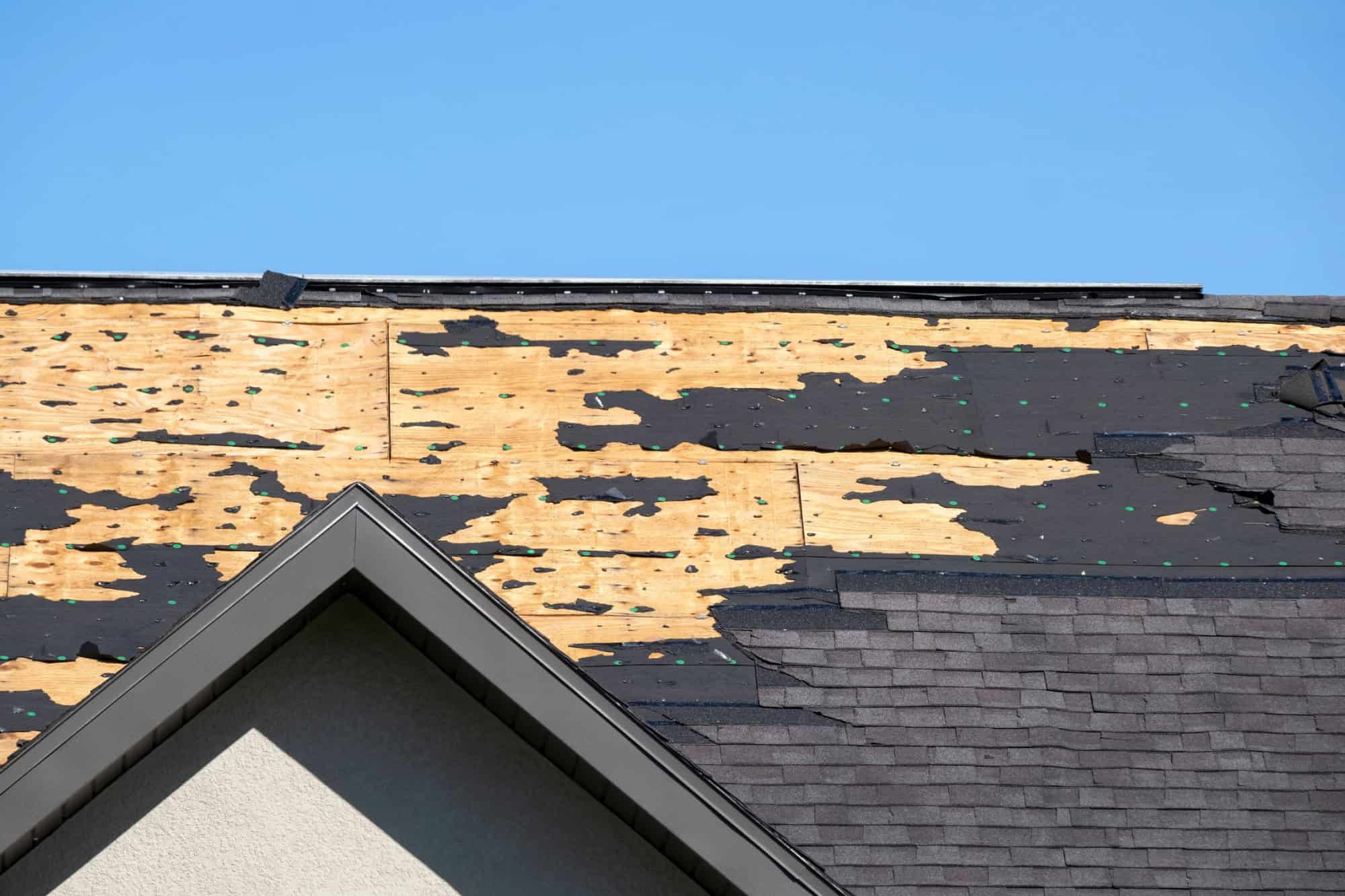
Historic boards don’t simply care about what you add. They also care about what you don’t do, like if your roof leaks & you never fix it. They’ll also get annoyed if you leave windows broken for years. This is called “demolition by neglect,” and the idea is that you’re letting the building rot until it collapses. The fines for this are accordingly high. Do you really want to ruin the neighborhood?
Rebuilding porches with off-spec parts
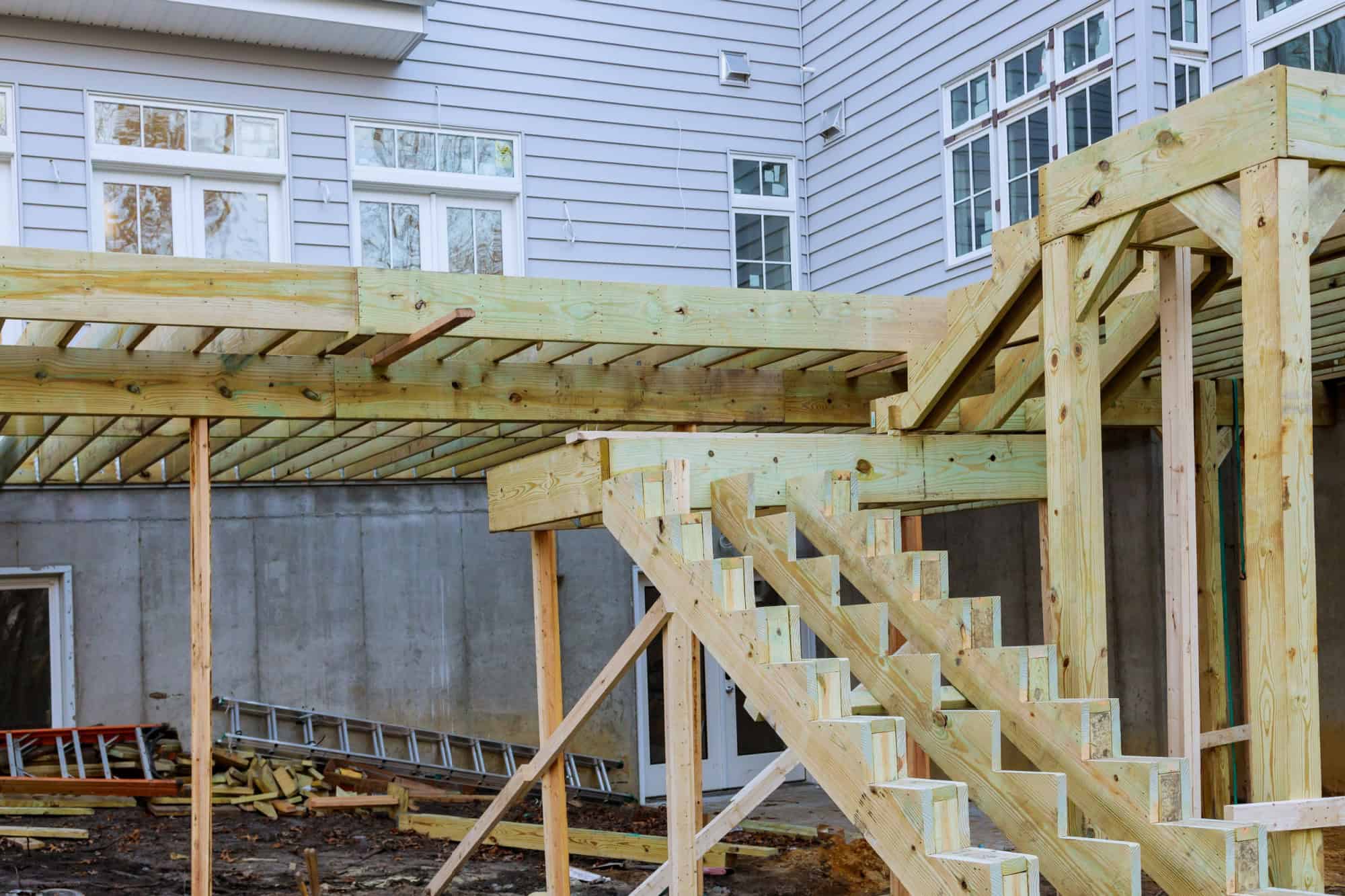
Porches are difficult because they’re usually the first thing you see. However, swapping out turned wooden posts for 4×4 lumber or throwing on a modern rail kit is a huge mistake. It changes the look completely & this is where the fines come in. In many towns, they expect you to replace parts with ones that actually match the originals. Can you blame them?
Hanging bright, internally lit signs

The sign rules are surprisingly strict for shops in a historic district. Plastic signs that glow from the inside are almost always banned. This is because most boards expect wooden or metal signs with external lights, so little gooseneck fixtures are usually okay. You’ll need to do your research to check you’ve done the right thing.
Expanding curb cuts or paving front yards
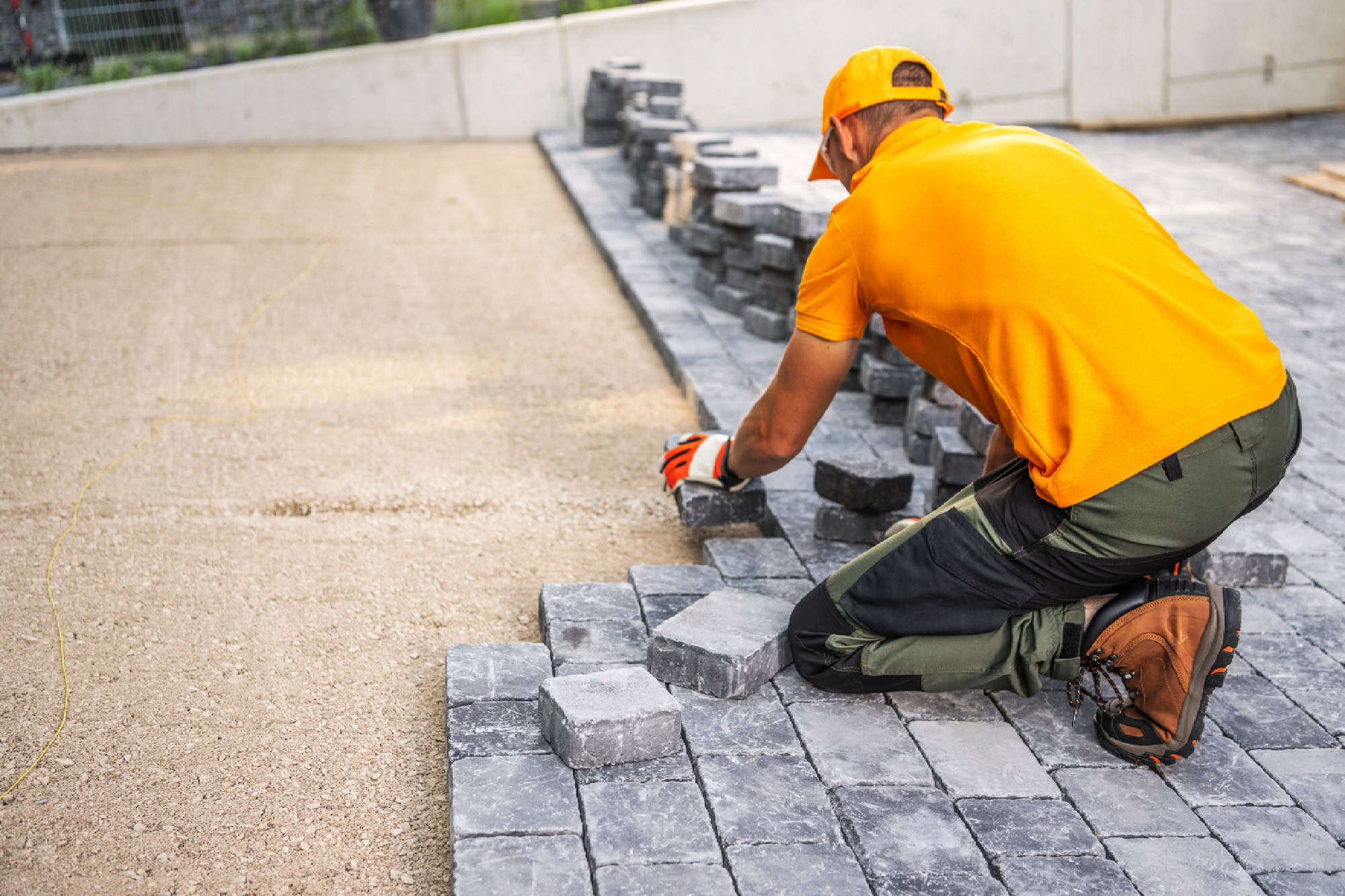
Parking is tight in historic districts. That’s why it’s so tempting to widen a driveway or turn your front yard into a paved lot. But that’s usually illegal in historic zones without a permit. Cutting into curbs or removing grass strips could trigger a penalty, as could laying concrete where there used to be lawn.
Avoiding a Certificate of Appropriateness

Getting a Certificate of Appropriateness (CoA) is essentially like asking permission before you touch anything. In many towns, you’re not allowed to start hammering away at a porch or swapping out siding. You’ll need a CoA first. Without it, you’re breaking the rules & people have been fined just for doing construction work without it.
Swapping original windows for modern units

Old houses often come with handmade wooden windows. Some of these are a hundred years old. As such, replacing them with something off-the-shelf from the hardware store is an instant violation. But the rule isn’t centered around keeping the windows themselves. Instead, they’re trying to keep them looking the same.
Like our content? Be sure to follow us.