

It sounds weird, but a surprising number of things that we treat as normal today actually came from old pagan festivals and seasonal rituals.
Names on the calendar

Look at your calendar. Look specifically at the days of the week. Notice anything special? Many of the names come from old pagan gods. You’ve got Tuesday, which comes from Tyr. Wednesday is from Odin. Thursday is from Thor. Friday comes from Frigg.
Saturday’s a little more obvious. It comes from the Roman god Saturn. Sunday and Monday are the only two odd ones out because they come from the old names for the sun and moon. But they’re still pagan names.
A night at the edge

How you feel about Halloween isn’t all that important. You’ll know about the traditions. Pumpkins, candy, trick-or-treaters, they’re things we all know about. But did you know it started somewhere much older? Halloween comes from the ancient Celtic festival of Samhain.
People celebrated the change into winter around November 1st. They’d light fires and wear masks. They also believed the line between the dead and living became thinner that night. That’s where we get the spooky side from.
Flowers in the street
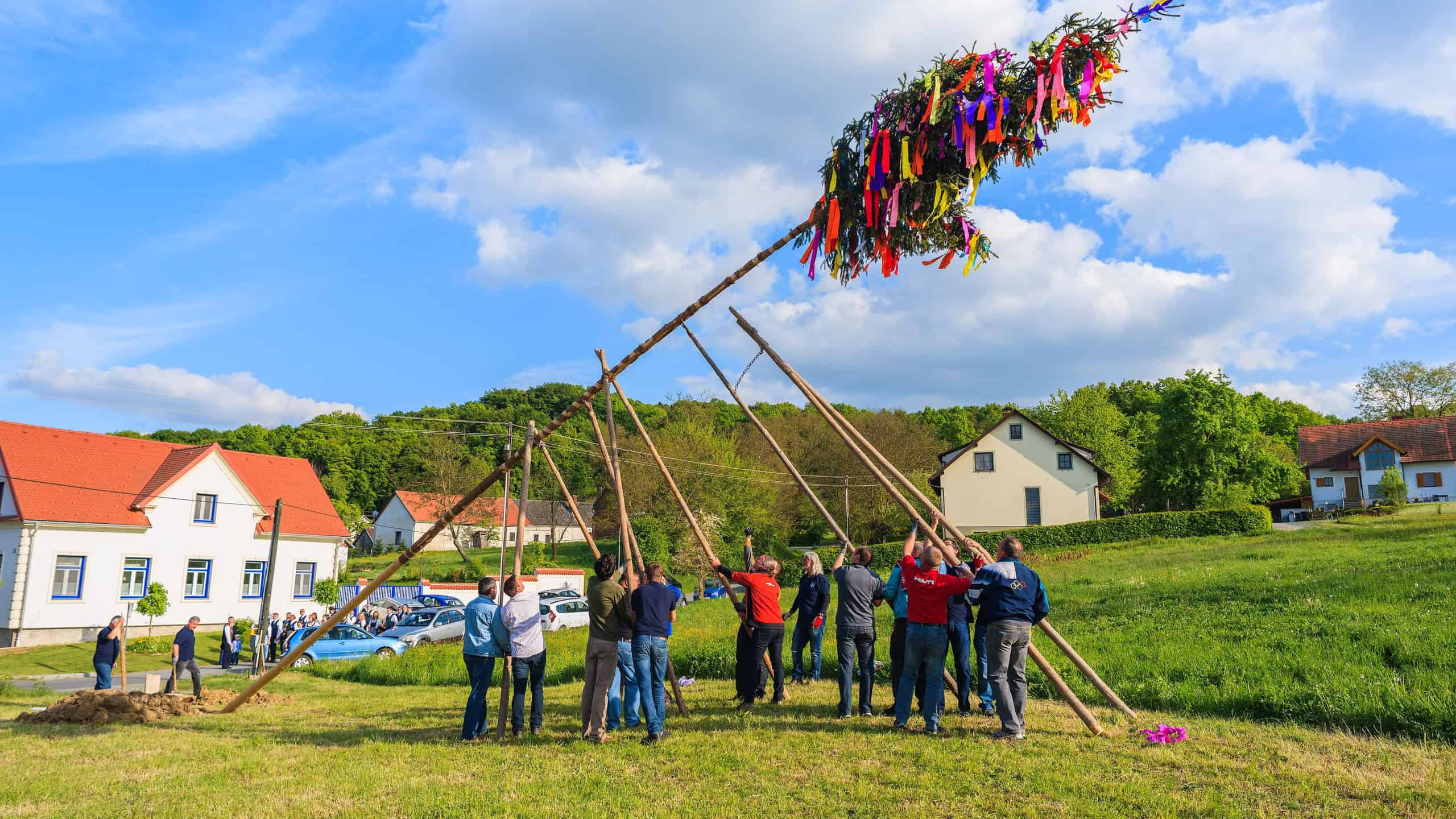
May Day today involves a lot of ribbons and flower crowns. Don’t forget about the school kids dancing around poles. However, it first appeared as part of European spring festivals. Pagans believed the celebrations would help them with fertility and crops.
They’d carry green branches into villages and light fires. They also celebrated the halfway point between spring and summer. Later, though, Christian customs and public festivals softened the mood a little. But the older agricultural purpose is still there.
Something small and bright

No, Easter eggs didn’t start as chocolate. They’re also not an original Christian tradition. Pagans thought eggs symbolized spring and fertility. It makes sense, honestly. They are the start of a new life. So, Pagans used these to mark the return of warmer seasons after winter.
But Christians were the ones to connect it to resurrection. Dyed eggs, painted eggs, and gifted eggs are still a part of the spring celebrations. It’s just the holiday itself that’s changed for most people.
Green inside the house

It’s so normal to decorate our homes with trees at Christmas. But did you know that it’s not actually a Christian tradition? Yes, the truth is, evergreen trees and branches were important to the Pagans first. They loved how the trees stayed green when everything else looked dead.
In fact, some groups thought the trees were sacred. They first brought the trees indoors by turning them into wreaths and garlands. Eventually, they got the full trees, too.
Gifts in midwinter

That’s not all for Christmas. Festive gift-giving actually comes from the two-thousand-year-old festival Saturnalia. It took place in the middle of December. A lot of our Christmas traditions actually come from then, like having a feast and a party.
It was a time for people to really lean into the chaos for a few days. That included giving small gifts called sigillaria. Saturnalia itself disappeared from the calendar. But the traditions are still alive.
A loud little ritual

There are so many celebrations today that involve making noise. Most of them are around the New Year. It turns out, it comes from pagan traditions. Farmers went outside in January to shout at trees and bang their pots. Yes, really. It’s strange, but not random.
Pagans thought making loud sounds would scare away harmful spirits. They had to do that before they began planting in the spring. They thought it’d give the orchard a better chance of growing fruit. But today, making noise is more of a tradition.
A shadow in February

Let’s get one thing straight. Groundhog Day itself is pretty much pure Americana, especially since the groundhog is native to the States. But its origins were in Europe. It was part of a holiday called Candlemas. Pagans watched badgers and waited for them to come out.
If it came out and saw its shadow, then went back in, winter wasn’t over yet. It’s thanks to the German-speaking immigrants in Pennsylvania that we still have this tradition. They swapped the badgers for groundhogs. Why? Because that was the closest local equivalent.
The house before midnight

Image Credit: Shutterstock.
‘Redding the house’ sounds a lot stranger than it actually is. You probably know the real tradition. It’s just cleaning everything in your house on New Year’s Eve. You’re supposed to scrub everything down, including the floors, fireplaces, and corners. It comes from old Scotland.
They believed they were cleaning out the old year before the new one came. They also believed in settling their debts before midnight. The cleaning tradition later spread across the world.
A plant above the door

Today, most of us associate mistletoe with kissing. But it wasn’t always that way. Celtic Druids saw mistletoe as a sacred plant, and they’d handle it very carefully during their winter rituals. They didn’t exactly kiss under it, though.
It wasn’t until the late 18th century that people started smooching under it. However, it was the Pagans who made the plant itself special. Some accounts say they even collected it with golden sickles. It was that special.
Sources: Please see here for a complete listing of all sources that were consulted in the preparation of this article.


