

Formal table manners can be a little challenging for most people to learn, but for people who grew up privileged, it’s just how things are done, and they don’t even think about it.
The dish keeps moving
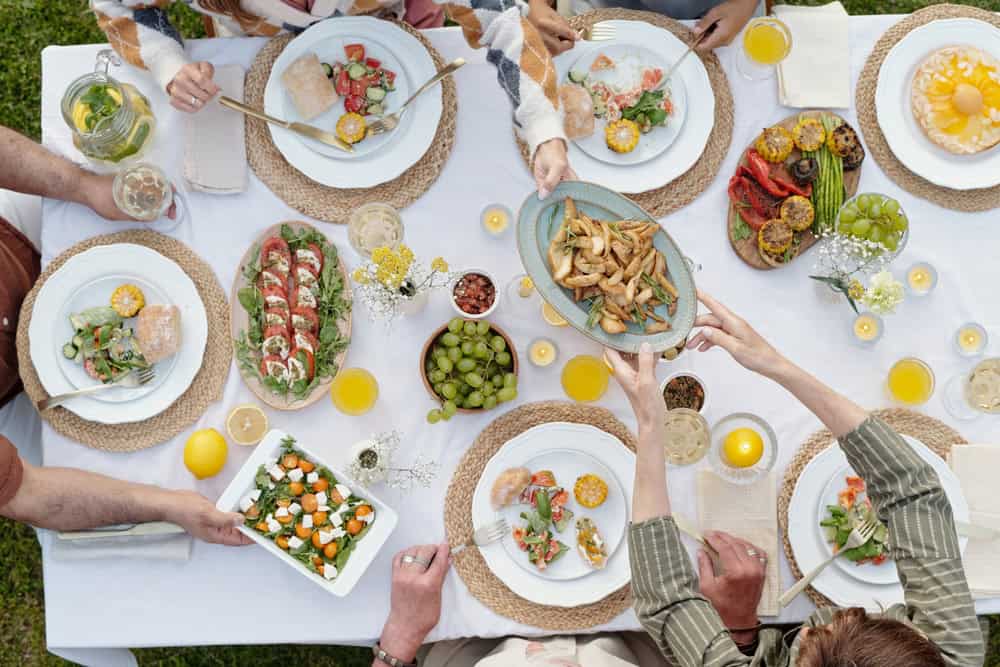
There are rules about how you’re supposed to pass shared plates around the table. They go to the right, after you’ve offered them to the person next to you, although there are also some other specifics to it. Take a gravy boat, for example.
You’re meant to turn it so the next person can grab the handle easily. Once you’ve had enough family dinners involving lots of serving bowls and formal place settings, you’ll know exactly how to do things.
The little plate on the left
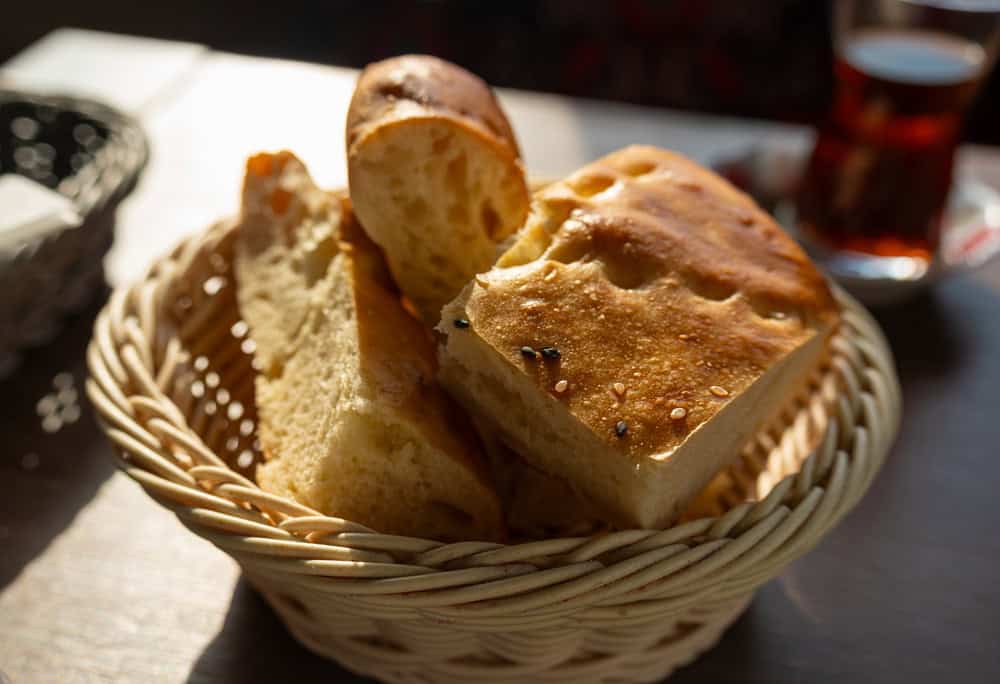
There’s usually a small plate near the forks on a formal table, and anyone who’s not used to seeing the plate might get confused. They’re not sure if it’s their plate or for the person next to them. But anyone who grew up eating formal meals doesn’t hesitate.
No, they know that the bread plate goes on the left and drinks on the right. It’s sometimes known as the ‘b and d’ hand trick. Anyone who had formal meals from a young age automatically knows which one is which. They’ll reach left and carry on.
No fork-watching required
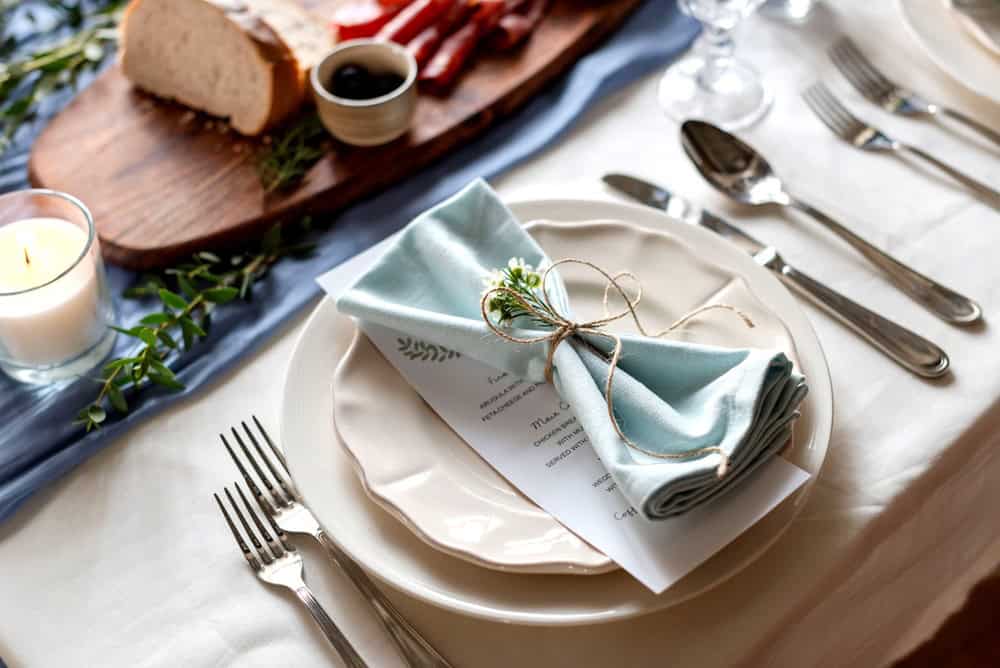
The sheer number of utensils on a plate can be overwhelming, especially when it’s a formal meal and the table’s set for several courses. You don’t know where to begin. That is, unless you grew up privileged, as you’ll start eating without checking what everyone else is doing.
These people know to start with the utensils farthest from the plate. Then they move inward. It’s not exactly advanced knowledge, of course, but understanding utensil order means having seen it before. It’s not your first rodeo at a formal dinner party.
The napkin disappears immediately
Napkins might be small, sure, but how someone uses them is one of the first signs of their upbringing. People who grew up privileged know automatically what to do with them. They’ll sit down, unfold the napkin, and then put it on their lap. Done.
It’s something that these people will do out of habit, usually before they’ve even looked at the menu. It’s almost like second nature to them. That’s kind of the point, really, because it shows they’ve grown up around these situations for so long. It’s nothing special for them.
Nothing requires a long arm

Reaching across the table isn’t exactly the height of rudeness. But someone who’s grown up with formal dinners knows to avoid doing it. You’re supposed to ask someone to pass you the butter or bread when it’s too far away, not reach across yourself.
It’s part of formal etiquette. People who have learned it young will do it naturally, and they’ll completely avoid leaning across two place settings. They just ask.
They leave the service to the server

You might notice something happen when the plates are being cleared. There’s usually one person at the table who starts stacking everything, all because they think they’re helping. Sure, they are. But that’s not how things work in formal service.
The staff is expected to clear the table in a particular way, and it doesn’t involve the diners doing anything. Anyone used to full-service dining is going to leave the plate alone. It might be rude, but that’s just how they’ve grown up, and they probably don’t think it’s a big deal.
The plate doesn’t become a discard pile
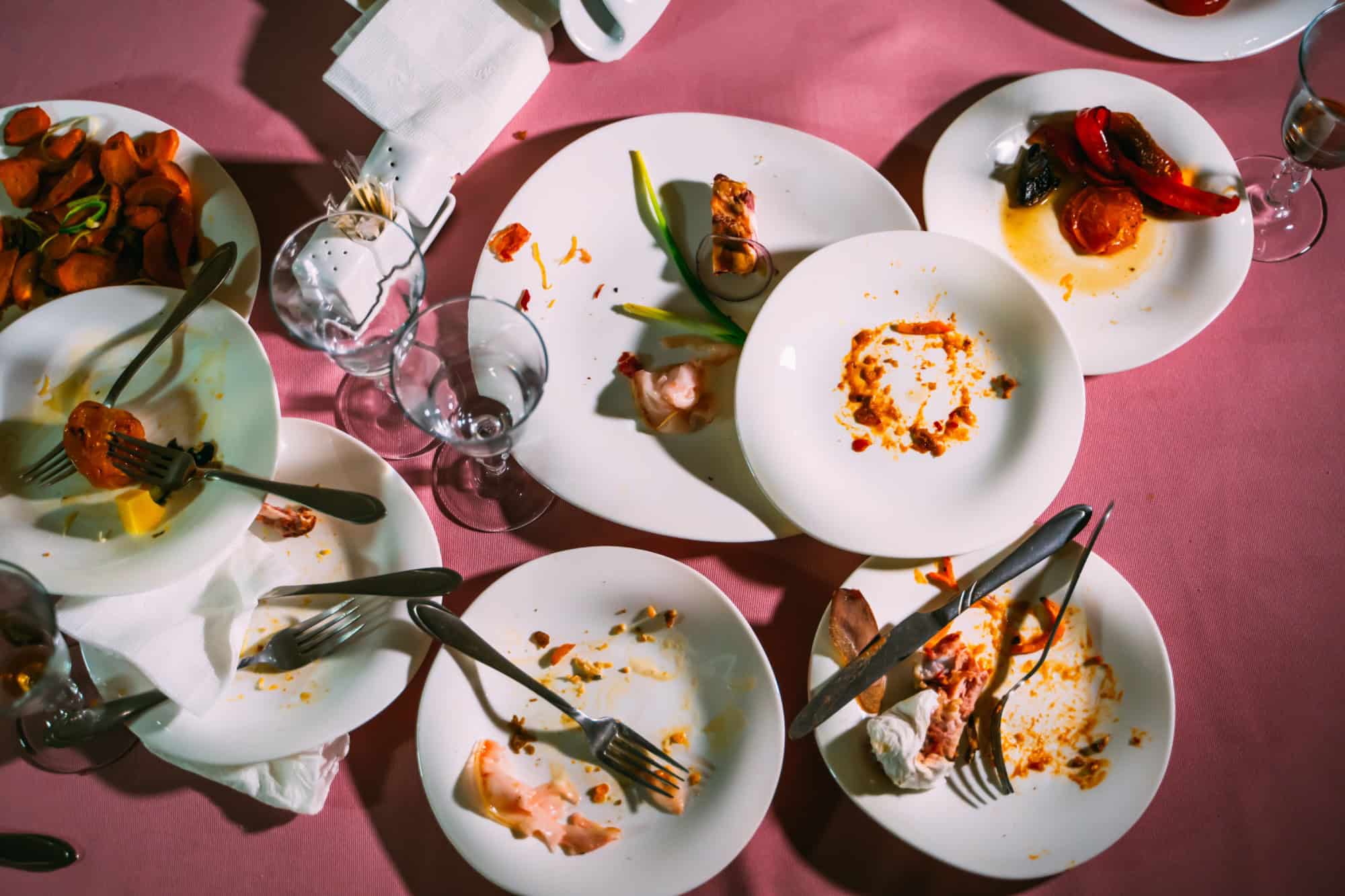
What you do with your unwanted food says a lot. You know, like the olive pits and bones, as well as the gristle and vegetables you don’t like. Formal etiquette says you’re supposed to move them discreetly to the side of the plate. No, you’re not meant to build them into a pile.
Just put the inedible or unwanted food at the edge, no fuss, no mess. People with a privileged upbringing learned to do that pretty early, and they won’t even realize that they’re doing it.
Everyone seems to finish together

You won’t find many privileged people being fast eaters. That’s because they’re very careful to make sure their plate isn’t empty before anybody else’s. Yes, they’re careful to keep roughly the same pace with everyone else.
They’ll slow down when they notice they might be ahead. They’ll speed up when they’re lagging behind. They’re not counting bites or watching everyone like a hawk, no way. Their habits are a lot looser than that, and they work out the rhythm without thinking much about it.
The big plate isn’t for dinner

Try sitting down at a formal table, and you might notice there’s an enormous plate in front of you. You might assume it’s where you put your dinner. Not quite. It’s actually called a charger plate, and it’s supposed to go underneath the plates you use for the opening courses.
People with a privileged upbringing know that. They’ve grown up around enough elaborate dinners to know what the routine is, and they’re not going to be confused by seeing a plate on top of another plate.
Cheese isn’t automatically an appetizer
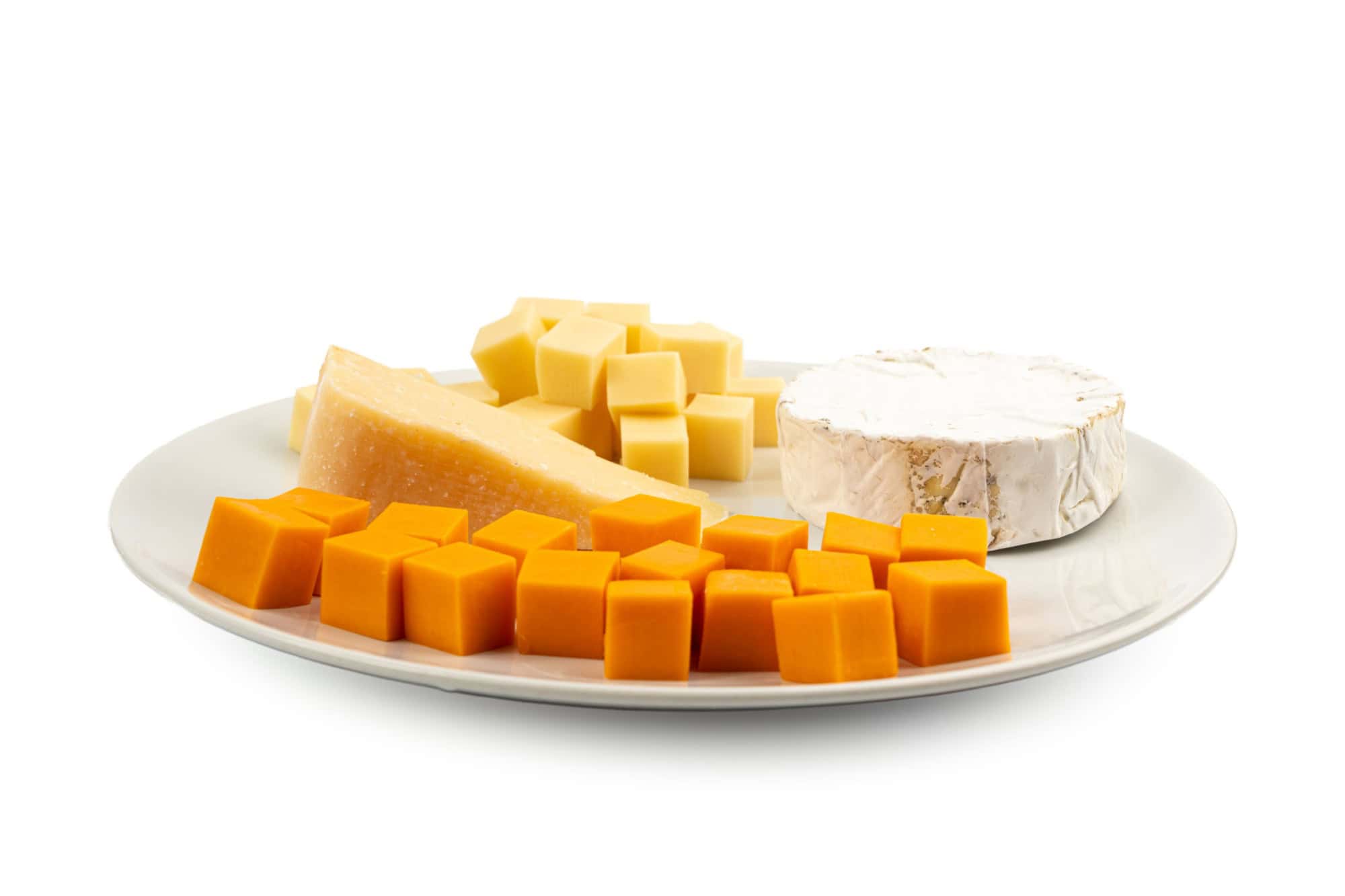
It’s kind of funny how there’s a whole ceremony for something as simple as cheese. It usually turns up after the main course, rather than before it, and you’re supposed to eat it in a special way. You’re meant to slice a reasonable portion, for starters.
You’re also supposed to use the right cheese knife, and whatever you do, don’t hack into the center of a shared wedge. That’s just classless. People who grew up wealthy know all about that, and they’ll know all the rules associated with eating a cheese course.
Sources: Please see here for a complete listing of all sources that were consulted in the preparation of this article.
Boomers say it’s basic manners but Gen Z refuses to do these 10 things

Boomers and Gen Z think differently about so many things, and basic manners are one of those things.
Boomers say it’s basic manners but Gen Z refuses to do these 10 things
