

Pets are great, but they’ve also been unwitting accomplices in many key scientific discoveries. Some of these have made the headlines; others are more obscure. All are examples of how cats, dogs, ferrets and other species have aided our understanding of disease, helped in the testing of new treatments, and made possible the development of vital new medical tools. Here are 10 of them.
Featured Image Credit: Shutterstock.
Guinea pigs and vitamin C

Guinea pigs literally helped cure scurvy. Guinea pigs can’t make vitamin C in their bodies. If you don’t feed it to them, they become ill very quickly. Scientists noticed this, and realized humans were just the same. So people finally discovered how to prevent a disease that had once killed entire ship crews.
Ferrets and flu research

You would think that laboratory mice would be the primary species used in flu research. But it was the ferret that ended up being a better match to humans. In natural environments ferrets caught human flu and transmitted it to other ferrets. Scientists could create precise vaccines that would be ready for widespread pandemic deployment because of this discovery.
Dogs and cancer studies

Cancer can affect dogs as well, including the same type of cancers that people get. Doctors and Veterinarians discovered they had a unique opportunity to learn from this. Treatment trials were performed on dogs which produced significant advances for people. In a sense every dog helped not just itself but people who faced the same battle.
Cats and genetic disorders
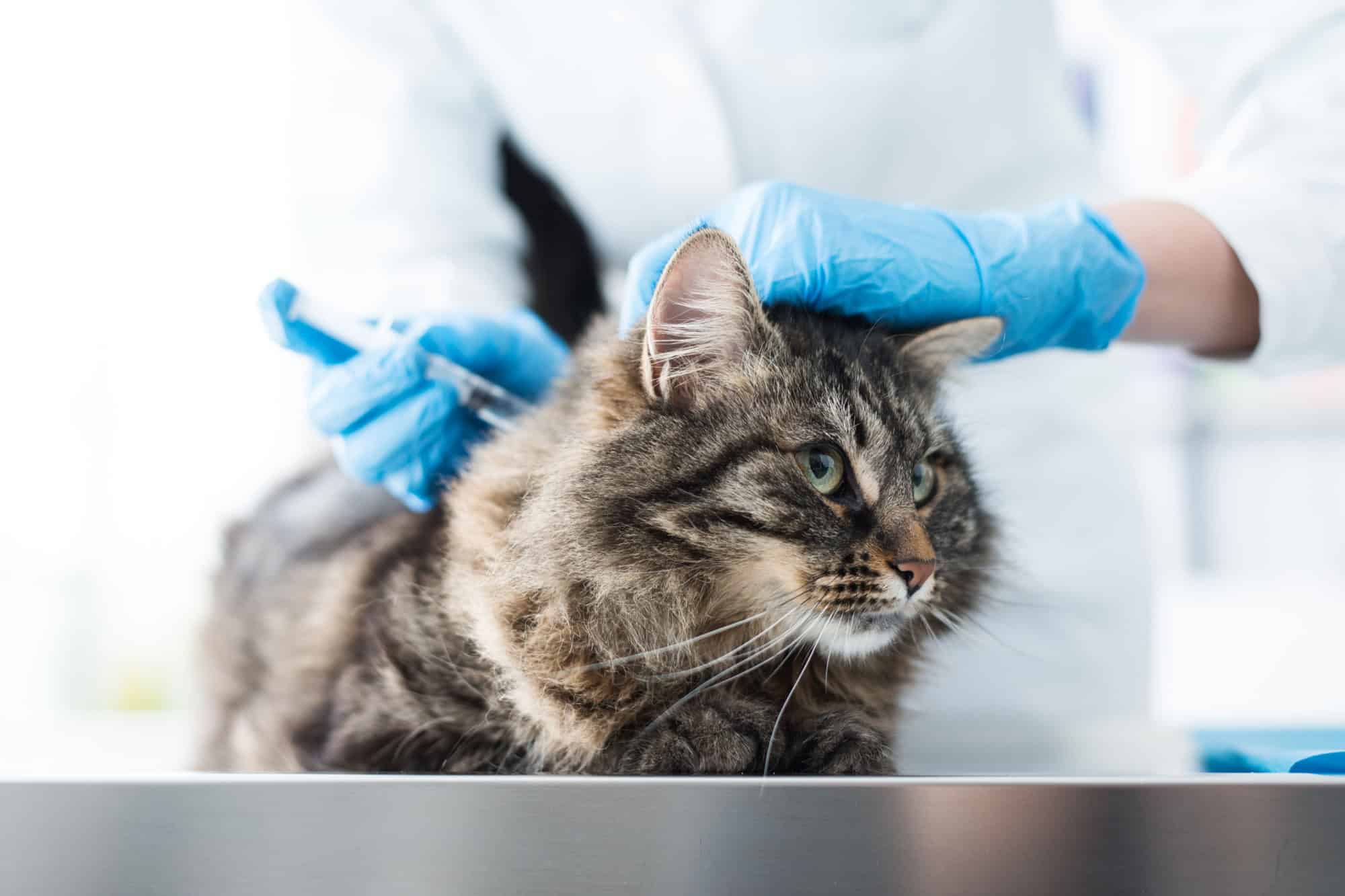
Cats weren’t only changing lives in the living room. As researchers looked at polycystic kidney disease in cats, they discovered that it was the exact same gene mutation that causes the disease in humans. This then allowed scientists to actually see the disease progress through its stages, something very difficult to do in people. Treatments for humans were improved and breeders were also given the ability to breed healthier cats.
Mice and diabetes

In laboratories around the world, mice were used as proxies for people with diabetes. The mice experienced the same sort of insulin difficulties, stemming from related genetic mutations. This opened up the opportunity to study pharmaceuticals, experiment with insulin replacement, and understand what unbalanced glucose levels. A number of the therapies that we use for diabetes today were developed from these studies.
Dogs and prosthetics

Dogs who lost limbs forever altered prosthetic design. Engineers tried to design artificial legs to help them walk and run. The challenge was to make something flexible, comfortable enough for an active dog to wear every day. The same research got put into human prosthetics, allowing for more natural, less painful prosthetics.
Dogs and heart research

Dogs provided doctors with an intimate view of the heart. Their hearts beat and pump blood very similarly to humans, so studying them helped doctors learn what can go wrong with blood pressure, rhythm, and valves. These studies led to life-saving technologies like pacemakers and medications that manage heart disease.
Cats and brain disorders

A housecat may not strike you as a brain researcher but they have helped science solve some big mysteries. Certain cat breeds are genetically predisposed to disorders that impact vision and coordination. Neuroscientists mapped out the genes that were responsible for these disorders. This information could be used to test therapies and design preventative methods of neurological deterioration.
Dogs and immune system research

Dogs have immune systems very much like ours. As a result, they were used to study human conditions. This helped to perfect treatments and learn about immune related diseases, like HIV/AIDS. The discoveries from this work have saved millions of lives.
Ferrets and digestive disorders
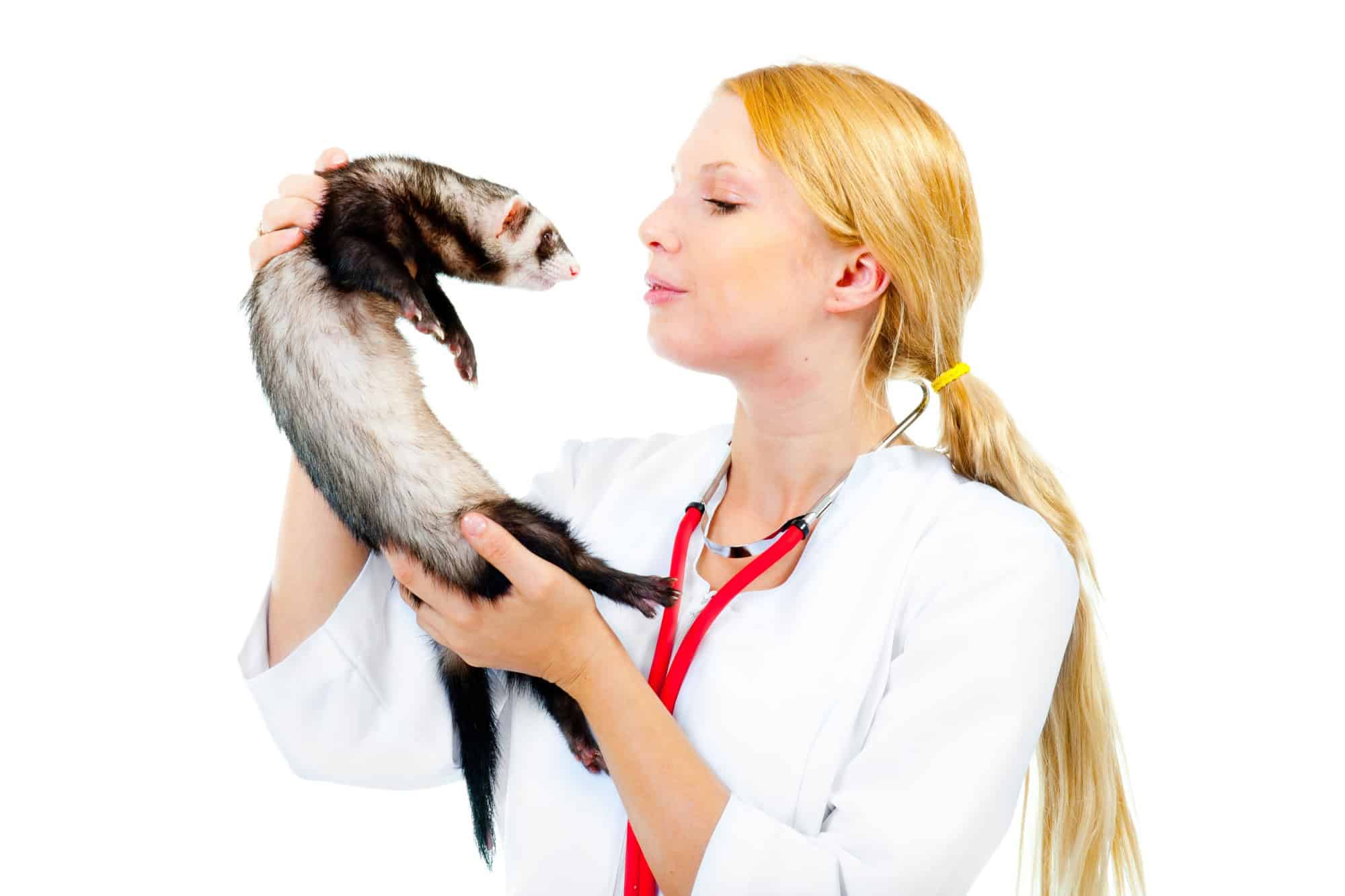
Silently, ferrets made an impact on gastroenterological medicine. Physicians required a model to research cystic fibrosis and other digestive system conditions, ferrets provided them with that. It gave them the opportunity to trial treatments and perfect them before reaching the human population. If it weren’t for these creatures, our understanding of gastrointestinal conditions would be far weaker.
Sources: Please see here for a complete listing of all sources that were consulted in the preparation of this article.
Like our content? Be sure to follow us.

