

Take a look at an actual school lunch menu from the 1950s and you’ll find foods that would require a federal grand safety-investigation today.
Unfiltered whole raw milk

Remember when your parents told you how great it was that milkmen used to deliver milk right to your house? Yeah, well, milk processing regulations were kind of lacking in some areas during the ’50s.
In certain country schools, milk arrived fresh from nearby farms, bypassing the intense heat treatment of typical pasteurization. The milk, too, wasn’t always uniform; sometimes you’d find the cream still floating on top of the bottle.
Nowadays, school cafeterias would only offer homogenized 1% or skim milk. Furthermore, with the dairy safety rules we have now, the whole milkman operation simply wouldn’t have been viable back then.
Liver and onions

Believe it or not, many schoolchildren were expected to eat plates full of grey, iron-tasting liver back in the 1950s. Organ meats were cheap and full of nutrients, so cafeteria chefs made it often.
Kids were served a questionable dish of pan-fried liver, cooked in a good deal of animal fat and then piled high with onions to cover up its taste. It would be incredibly high in saturated fats and cholesterol today, and fail heart-health guidelines instantly.
Nowadays, schools have swapped out that questionable cafeteria classic for crowd-pleasing options such as chicken nuggets and turkey sandwiches.
Hot buttered rolls with extra sugar

As long as children were eating enough calories in the 1950s, schools didn’t sweat about empty calories.
In schools, mountains of white flour rolls were baked, buttered, and then dipped in sugar before being served alongside every meal. The idea was simply to give them energy, and that’s what they did.
Schools today have to follow strict federal mandates for whole grains, and aren’t allowed to serve sides covered in butter and sugar.
Cottage cheese and gelatin

I know it sounds crazy, but there was actually a time when people ate Jell-O for lunch. I’m not talking about dessert time. Breakfast, lunch, Jell-O time.
They’d mix it with cottage cheese, pineapple, chunks of celery; whatever, and call it a “salad.”
These jiggly mounds were a common sight, stretching across the cafeteria trays. It looked appetizing, fun, so the kids didn’t question it. But what were you really eating? Sugar, food coloring and gelatin.
Fried bologna sandwiches

Back in the day, before turkey became the healthy go-to, bologna was the undisputed champion of school lunches.
It was processed, pre-sliced, and wouldn’t spoil as quickly as fresh meat if left sitting in a warm kitchen all day.
Cafeteria ladies would fry slices of it in a pan until the edges crisped up and curled into little cups, then serve them on white bread with a giant dollop of mayo.
With its high sodium, added preservatives, and the frying itself, this dish was a perfect storm of what modern school nutritionists actively try to keep off the menu.
Prune whip and stewed prunes
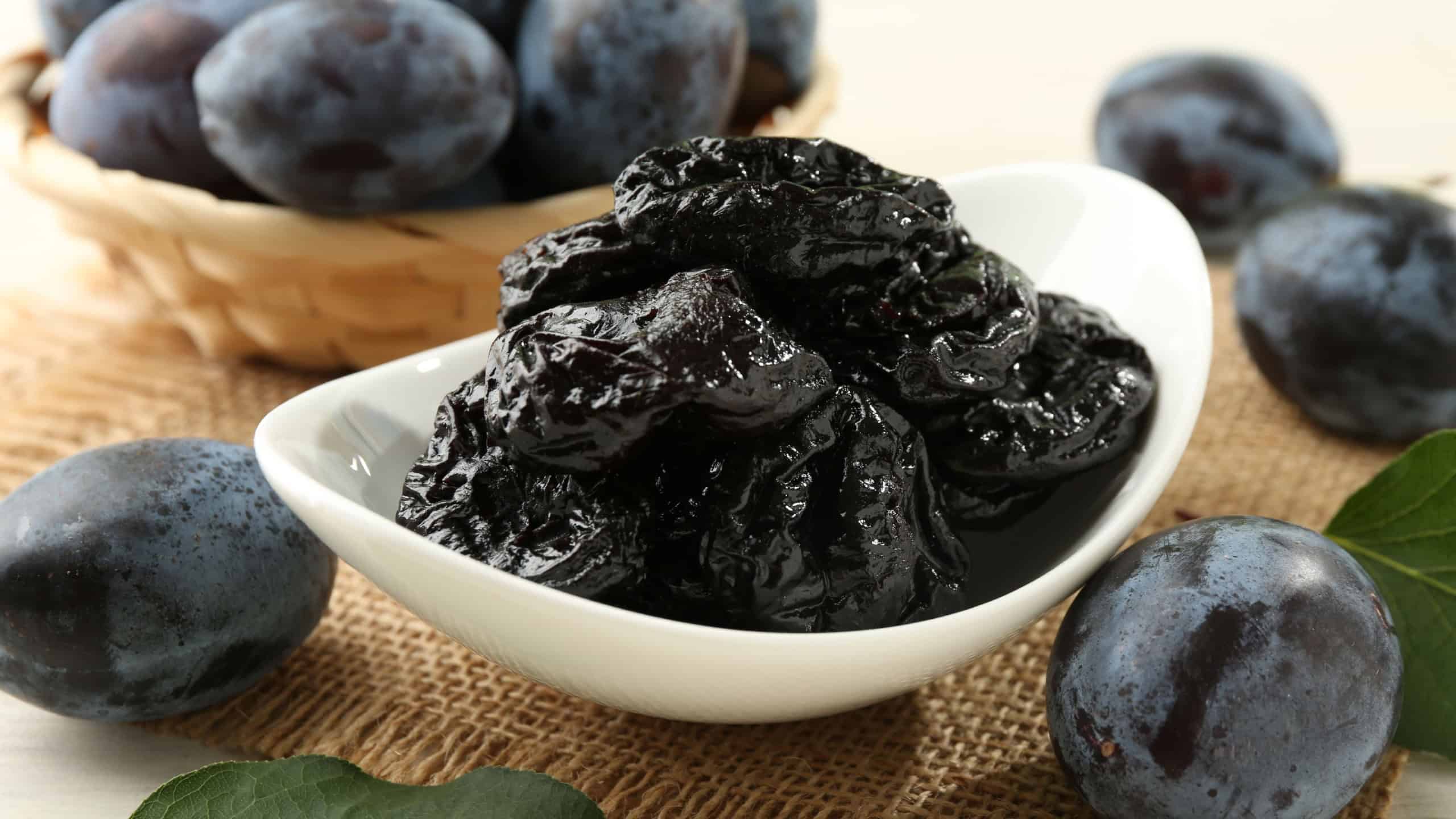
The health benefits of prunes were a fixation of some kind in the 1950s, and they showed up on cafeteria trays with depressing regularity.
Creamy prune whip was likely intended to be some kind of fluffy whipped dessert kids would happily gobble up, but it was actually made with mashed prunes, stiffly beaten egg whites, and sugar.
School districts loved it because it was inexpensive, and it helped them use up government-surplus canned goods.
Thankfully, schools today don’t make fibrous, laxative-inducing fruits the main dessert anymore. If your kid has school lunch these days, they’re far more likely to get a fresh apple, orange, or low-sugar yogurt cup.
Peanut butter and pickle sandwiches

Kids have always eaten peanut butter for school lunches because before everyone knew about nut allergies, peanut butter was pretty much the only source of protein they got.
Kids also used their peanut butter in ways that stretched it way too thin, throwing in all sorts of questionable ingredients.
Peanut butter and sliced pickles was a particularly popular combo featured in many a 1950’s school lunch cookbook.
PB&Js wouldn’t even be allowed today because school cafeterias are required to maintain nut-free zones due to peanut allergies.
Even setting aside the inevitable lawsuit risk associated with peanut butter, this meager sandwich fails to provide fresh greens or lean protein, making it entirely unsuitable as a proper meal according to current USDA “MyPlate” lunch standards.
Canned spice cake with lard frosting

Dessert was expected after every meal in the fifties. The most common desserts were super heavy cakes full of cinnamon, nutmeg, and ginger.
Skimping costs, the frosting was made with shelf-stable lard or shortening (not butter or cream cheese) whipped with powdered sugar.
The resulting frosting was basically pure trans-fat that didn’t melt even in a steamy cafeteria.
Trans-fats have been either banned or highly restricted by the FDA due to studies linking them to heart disease, so that fancy, heavy-duty cake frosting would be strictly forbidden today.
Mock apple pie (Ritz cracker pie)

In the era of cafeteria wizards, many items were crafted from budget-friendly pantry staples rather than fresh produce.
This one contained zero fruit whatsoever; instead lemon juice, sugar, and soggy Ritz crackers were combined to approximate the texture and tartness of cooked apples.
This dessert was made entirely of refined flour, processed vegetable oils, and high-fructose sweeteners and would be banned from any school wellness policy today.
Breaded and fried brain sandwiches

Cow brains were treated as a go-to inexpensive protein option in some areas of the country (think Midwestern states).
They would be thinly sliced, heavily breaded and fried to a crisp to disguise the texture. School districts bought them in bulk to help lower the price of student lunches.
However, after a series of Mad Cow Disease (BSE) scares, the USDA (United States Department of Agriculture) placed restrictions on specified risk materials, effectively banning the sale of bovine brain matter to schools.
Sources: Please see here for a complete listing of all sources that were consulted in the preparation of this article.

