

What feels normal now would’ve been straight-up bad manners not that long ago.
The ghost RSVP
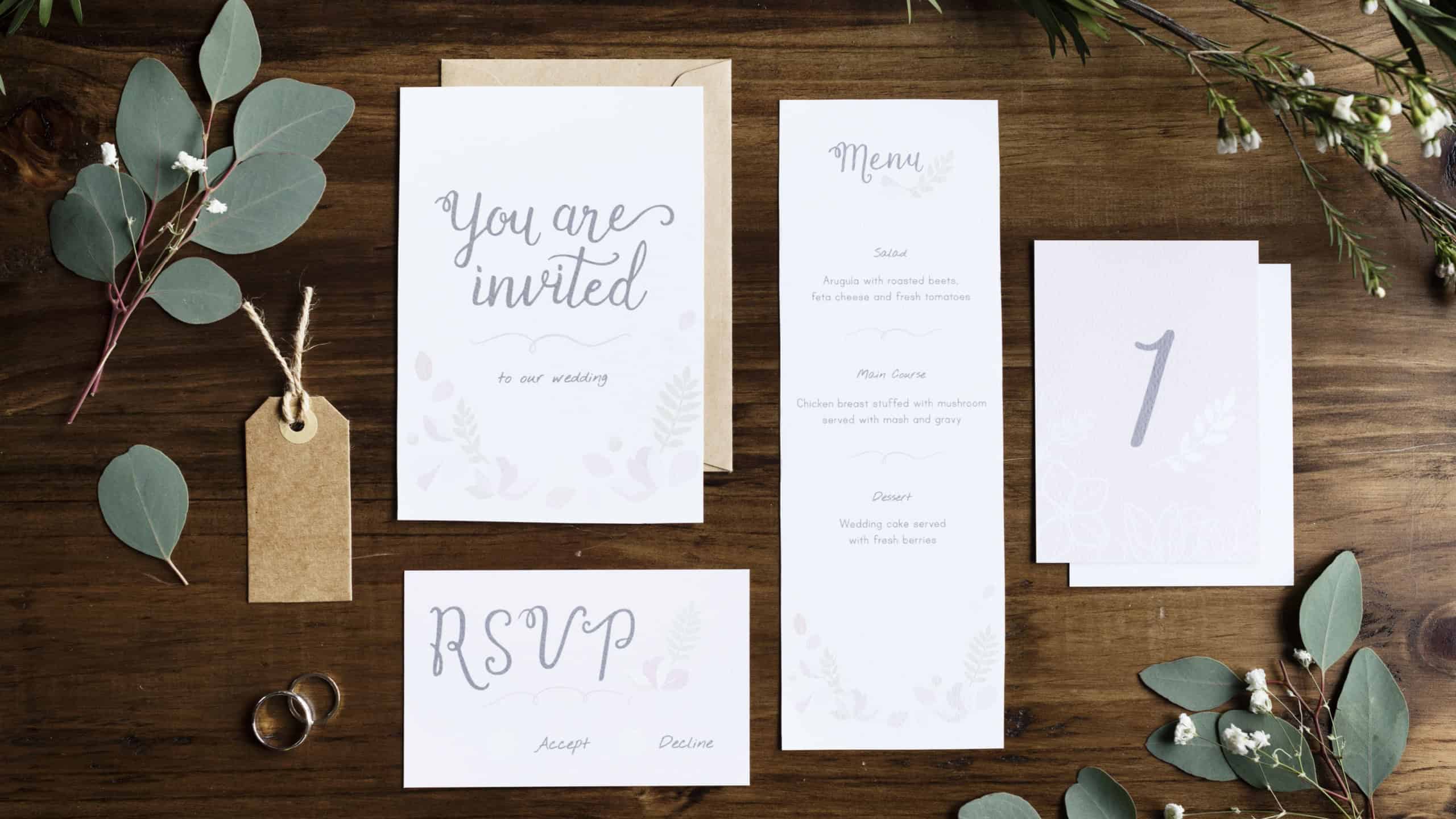
Traditionally, invitations to dinner or weddings carried with them an obligation to answer. Nowadays, many people don’t reply at all if they’re not attending, figuring silence means “no.”
To Boomers, that’s incredibly impolite, as it puts the host in a tough spot when they’re making arrangements. To younger folks, saying “no” is an uncomfortable social interaction best avoided.
Wearing hats indoors (including restaurants)

Older men still automatically doff their caps the moment they step indoors, but that courtesy is practically dead for everyone else. Beanies at casual restaurants, ballcaps at the dinner table, hats are just part of your ensemble now.
Boomers see this as an offense often associated with thugs or poor manners born from a time when you showed you were polite when you entered someone else’s home by taking off your hat.
The unannounced FaceTime
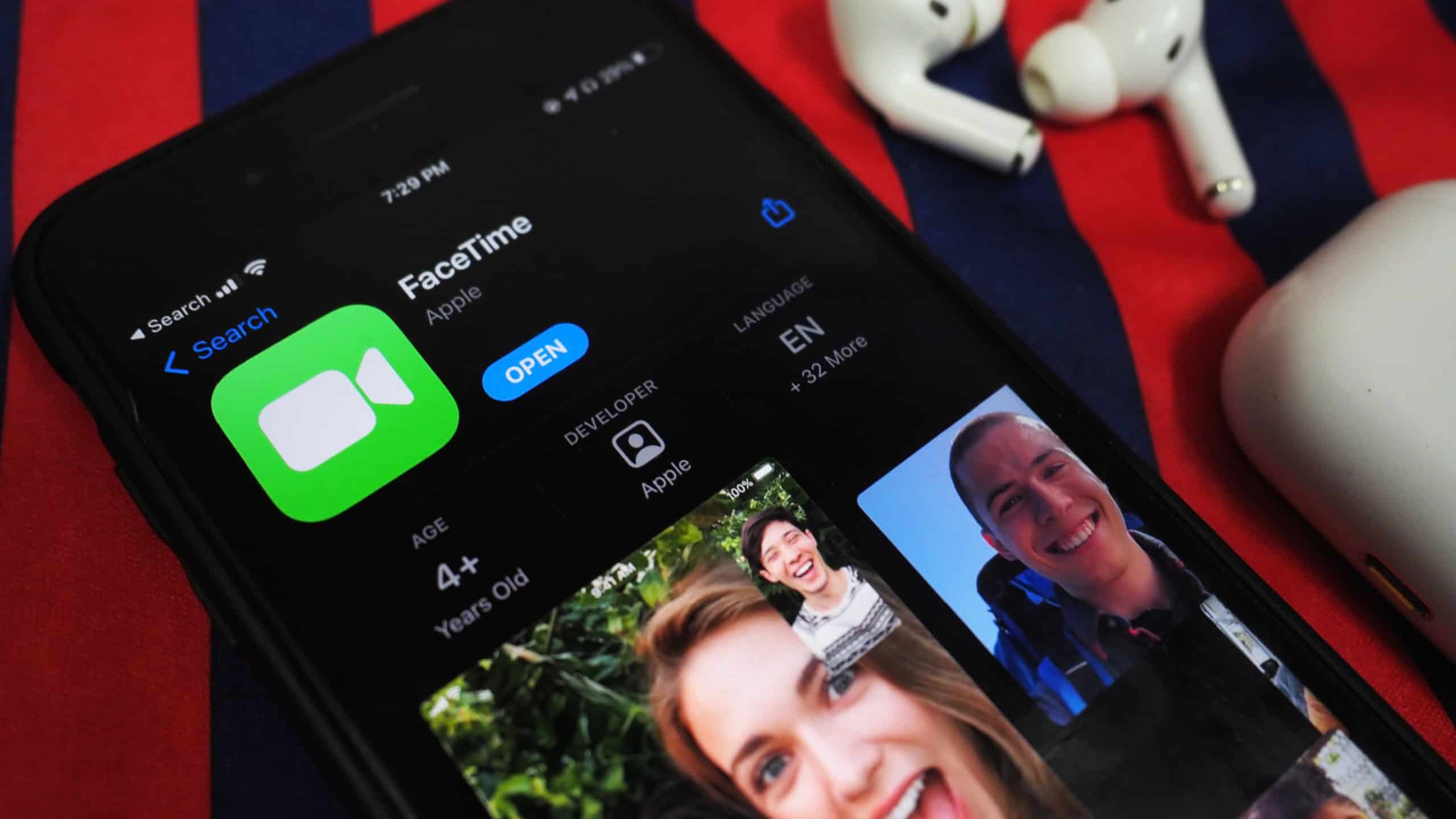
Younger generations definitely get a little nervous when their phone starts ringing. But, older folks really can’t stand it when a video call just pops up without any warning text beforehand.
And their peeve reaches new heights when they witness humans walking around public places holding their phones horizontally in front of their faces on speaker.
In elderly eyes, blasting your intimate conversation to everyone within a 20-foot radius displays unparalleled narcissism, despite it now being socially acceptable multitasking.
Using “no problem” instead of “you’re welcome”

This is a hill a lot of Boomers will die on. When Boomers say “Thank you,” they mean someone did them a service.
To a Boomer, “No problem” from a Millennial or Gen Z suggests the favor was a pain, though not enough to actually bother the person. Boomers like “You’re welcome” because it reinforces the power structure of the exchange.
To Millennials and Gen Z, “No problem” is more polite because it conveys that helping them was so effortless, it didn’t register as work.
Sending a text to say “I’m here”

Old timers walk up to your front door and buzz you. Now you wait in your car and text “Here.”
Boomers think this is the most rude and lazy thing you could possibly do. You are apparently too good to get out of your car to greet someone at their door. They like someone physically standing at their door.
Millennials like sending a text so you don’t bother someone if they’re not ready.
Visible tattoos in professional settings

Body art may be mainstream, but the last part of this grudge comes into play when Boomers see ink on someone professional. You know, the Doctor, lawyer, or the bank teller.
Boomers tend to equate tattoos with counterculture or the criminal element that was alive and well in the 1960’s and 70’s. Seeing someone with a neck tattoo working at the bank is a personal attack that they are lowering their standards.
Sleeves and wrist tattoos barely raise an eyebrow now, though they might still subtly erode an older client’s confidence.
Leaving a voicemail (or not checking one)

It works both ways. Boomers hate that anyone under 40 allows their mailbox to overflow or worse doesn’t even listen to their messages.
To them, leaving voicemail is like sending an email. You should take the time to respond.
On the flip side, they also hate when people play the silent treatment by texting 10 words when you just wanted a 2-minute conversation.
Boomers believe that the only way to express feelings authentically is through speaking. Texting is viewed as uncaring.
Putting a phone on the table during a meal
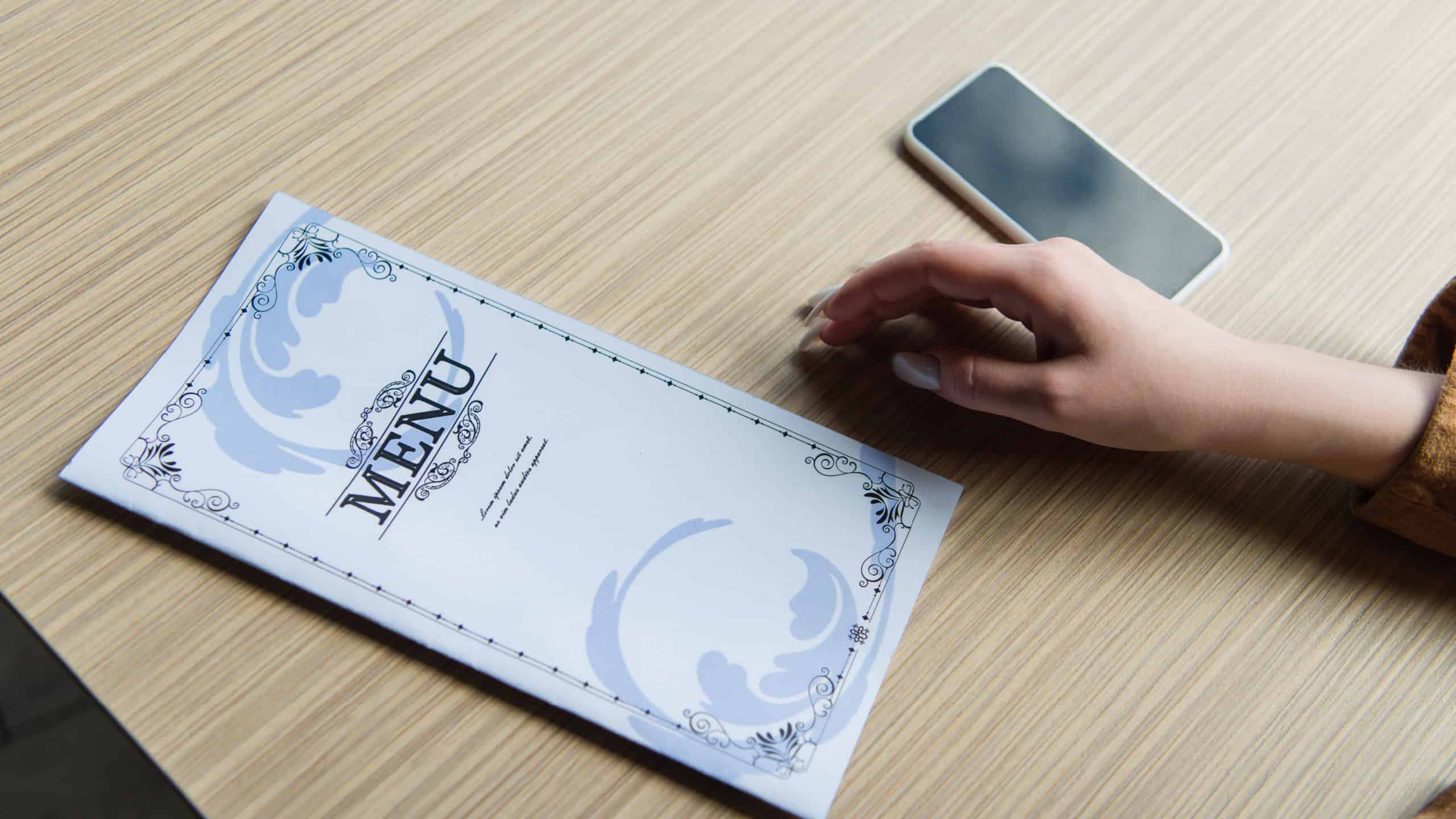
Even when facedown, many Boomers consider the mere presence of a smartphone laying on the dinner table a third party participating in the meal.
It’s a reminder that whoever you’re sitting across from is only giving you 90% of their attention, while the other 10% is mentally occupied waiting for something better to come along on social media or the internet.
Sure, Millennials may use it to fact-check or share photos mid-conversation, but to a Boomer the table is holy. That’s where genuine connection and talking without distractions occur.
Wearing athleisure to a flight

Flying used to be an occasion where one dressed up in a blazer or nice dress.
Witnessing people casually stroll onto airplanes wearing pajama pants, big bulky hoodies, or leggings infuriates some Boomers. It’s seen as rude, another symptom of our declining standards, and a loss of personal pride.
Rather than prioritizing comfort during a long flight, some Boomers interpret the absence of formal wear as further evidence of societal decline.
Not using “sir” or “ma’am”
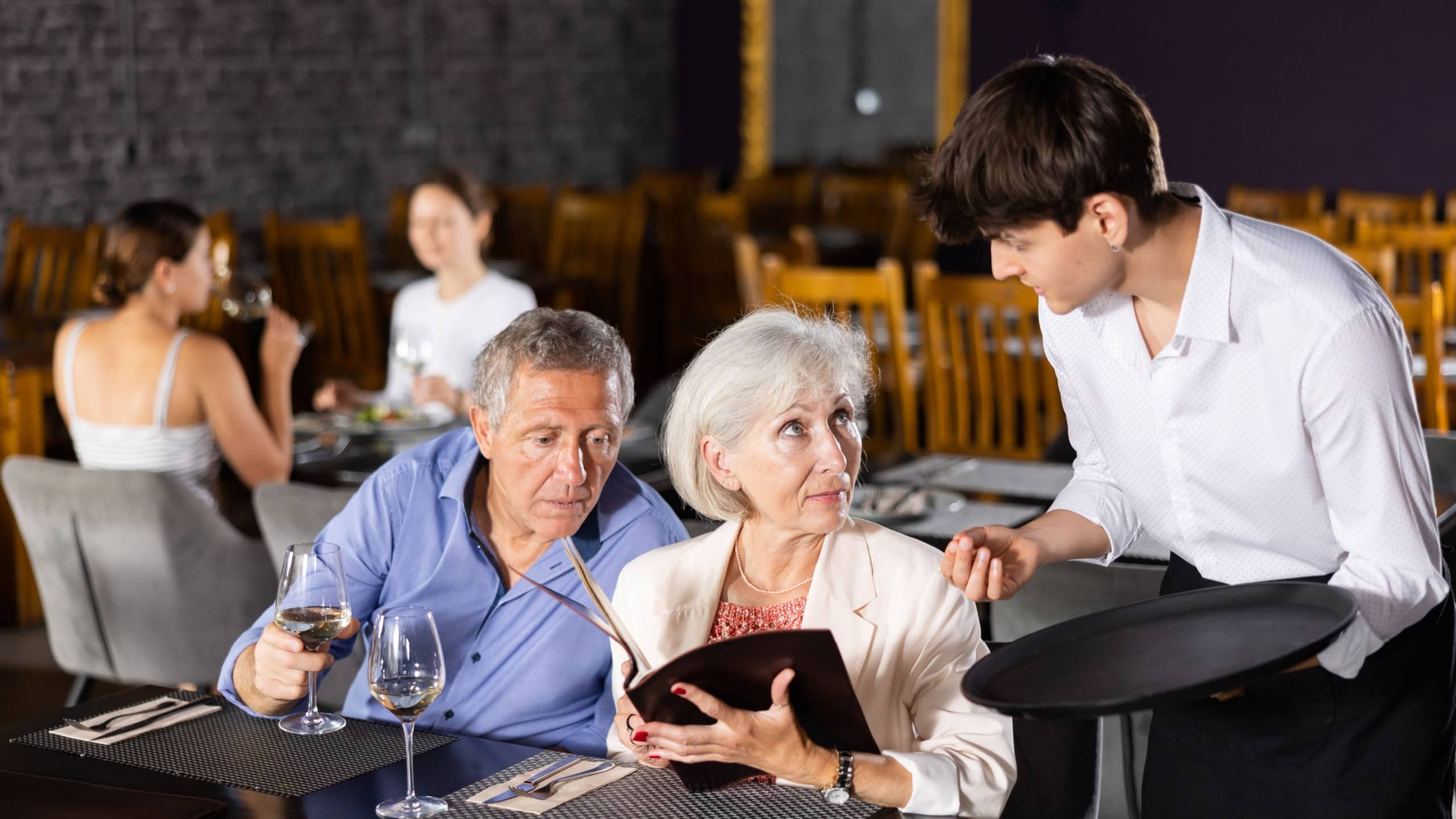
Much of the world has eliminated honorifics and replaced them with first-name basis culture as a way to make people feel equal and friendly. But, calling a Boomer by their first name is perceived as an assault of disrespect by some Boomers.
To them, whether it’s a 20-year-old barista or new son-in-law, skipping the title is reminiscent of aggressive disobedience.
Back then, you grew up earning your name. You were called Mr. or Ms. until you earned your first name through age.
If someone drops the formalities, some Boomers still take it as a personal affront, feeling slighted by someone younger who lacks their life experience.
Sources: Please see here for a complete listing of all sources that were consulted in the preparation of this article.
