

In hopes of maintaining their thrones and riches, these 10 royals weren’t afraid to marry a sibling or cousin.
Queen Maria I of Portugal and King Peter III
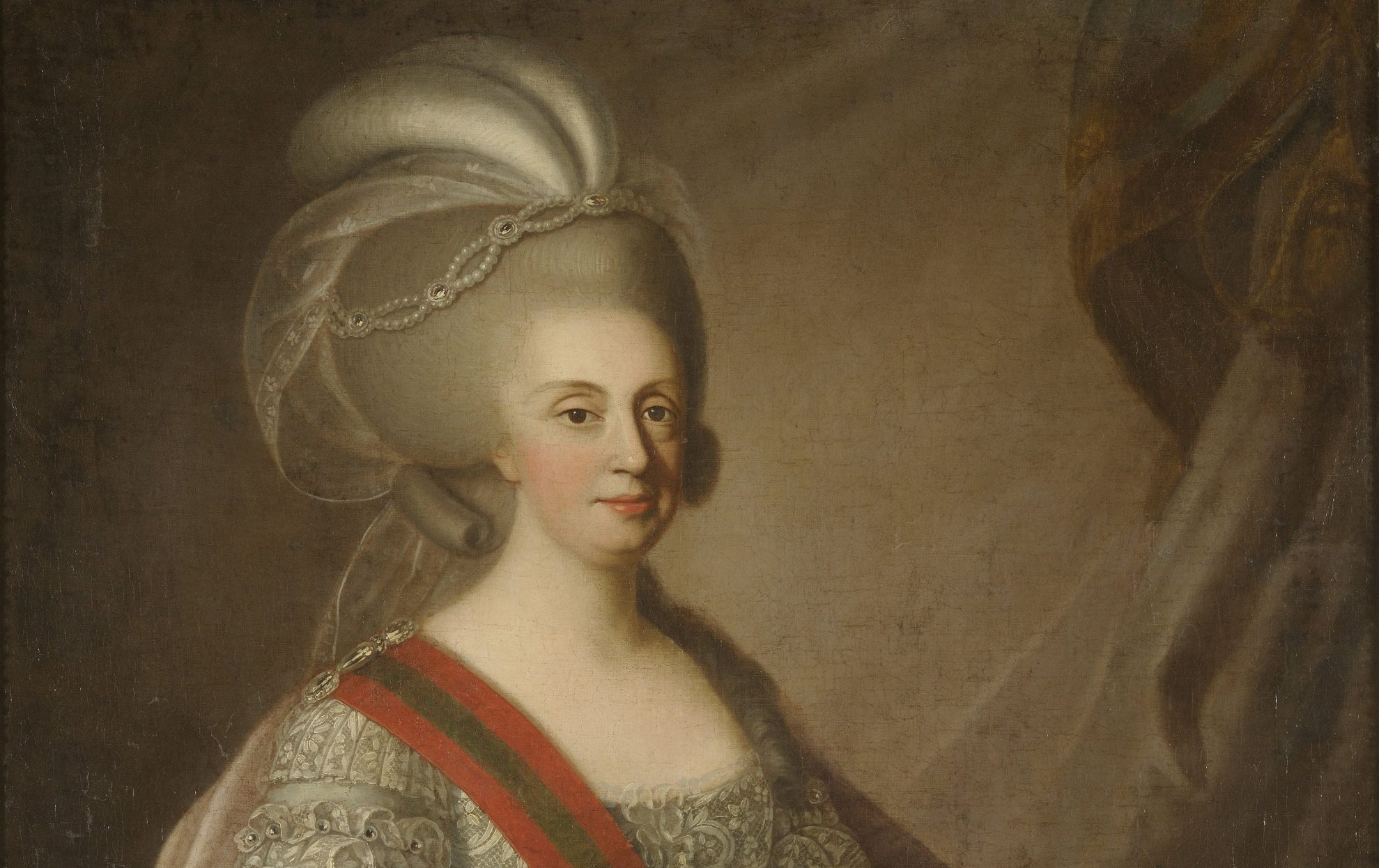
As King Joseph I of Portugal’s eldest daughter, Maria I was born to be his heir presumptive.
As Portuguese succession law prohibited a female heir from passing the crown through marriage to a foreign prince consort, King Joseph needed to find his daughter a husband from within the kingdom. He betrothed his daughter in 1760 to her biological paternal uncle Prince Peter, who was twenty years older than his niece.
Letters between uncle and niece show they had a loving relationship, and she affectionately called him her “beloved uncle and husband,” despite their generational differences.
Princess Victoria Melita of Edinburgh and Grand Duke Ernest Louis of Hesse
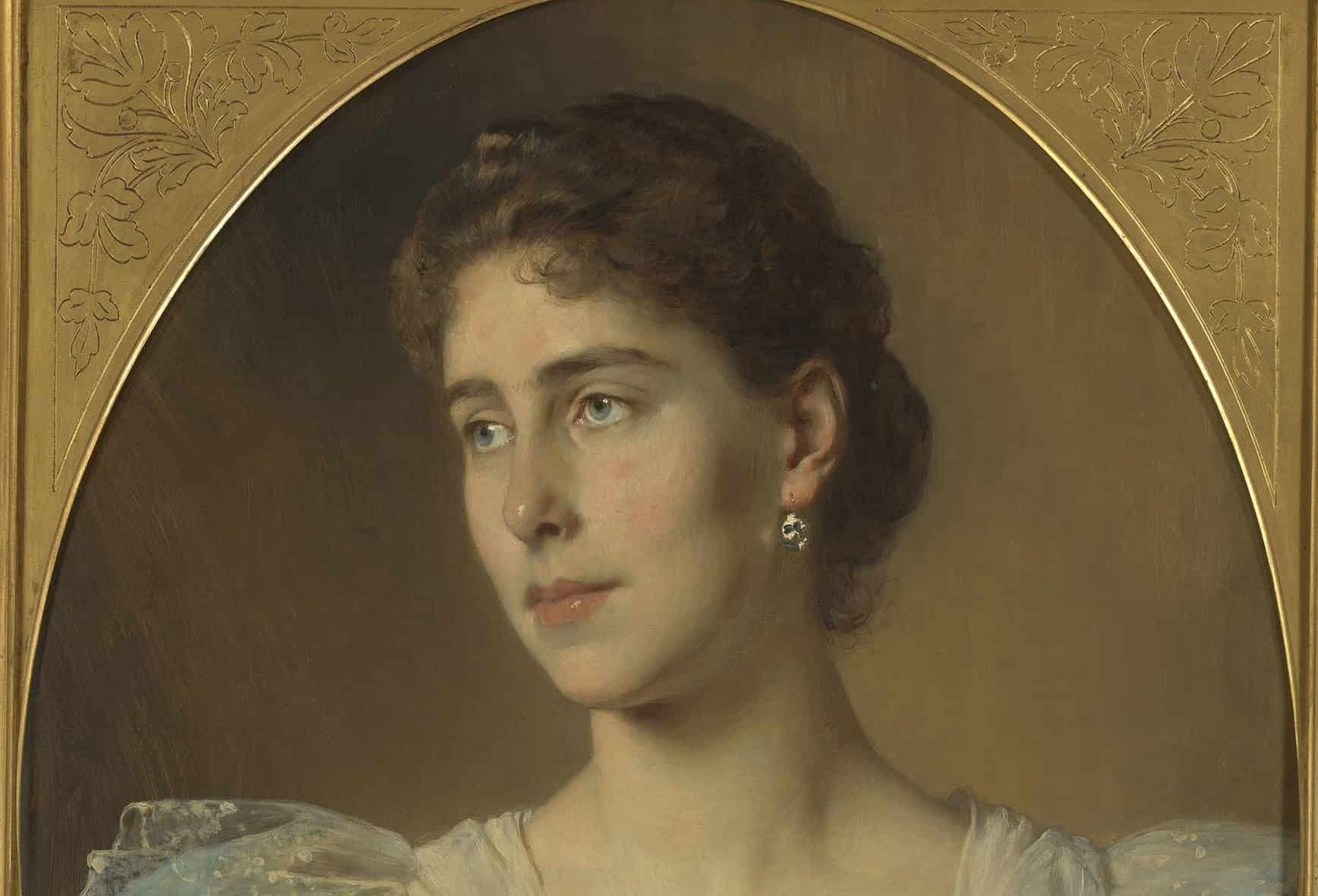
Princess Victoria Melita of Edinburgh was a granddaughter of Queen Victoria. Despite her own wishes, Victoria Melita was married to Grand Duke Ernest Louis of Hesse, her paternal first cousin.
Their grandmother intensely pressured the two cousins to marry each other in order to bring the Duchy of Saxe-Coburg and Gotha and the Grand Duchy of Hesse together. Their marriage was an unhappy one privately. Victoria Melita was notoriously fierce-tempered and is said to have hurled china plates at Ernest Louis during arguments.
Their marriage crumbled, with Victoria Melita reportedly discovering her husband engaged in physical activity with one of his male servants. The couple divorced immediately after Queen Victoria’s death.
Emperor Franz Joseph I of Austria and Duchess Elisabeth of Bavaria
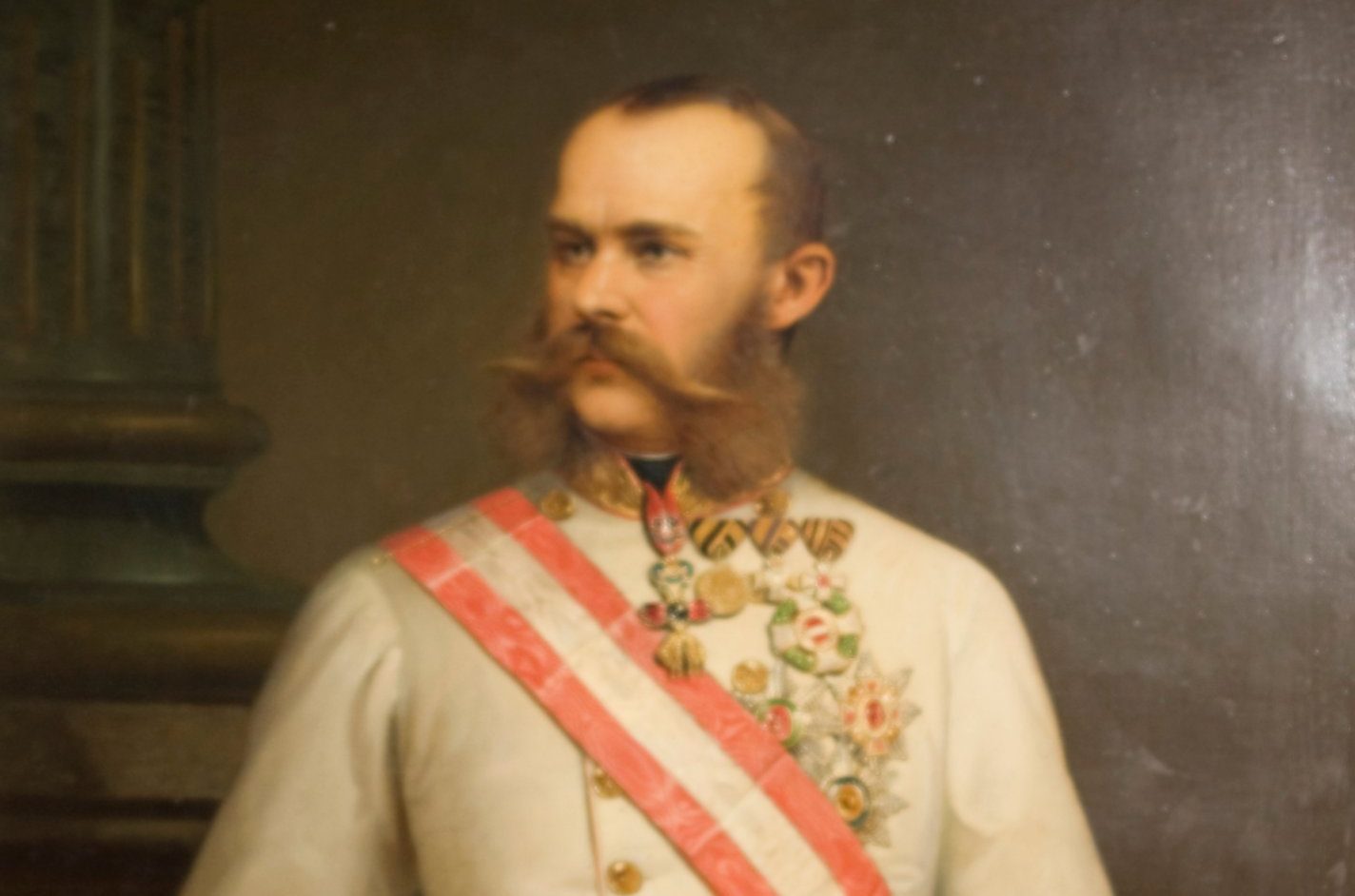
Archduchess Sophia of Austria, mother of Franz Joseph I of Austria, had originally intended for her son to marry Princess Helene of Bavaria, her niece, who was also his first cousin.
When the intended bride’s family came to Austria to attend the ceremonies, Emperor Franz Joseph fell madly in love with Helene’s younger sister, Duchess Elisabeth of Bavaria (“Sissi”), who was also his first cousin. They married in 1854.
Sissi grew to intensely dislike court life in Vienna and developed a mutual hatred with her mother-in-law, who also happened to be her biological maternal aunt. Sissi’s escape into constant, far-flung travels stemmed from the marital strife and took a significant toll on her mental state.
Princess Isabelle of Orléans and Prince Jean, Duke of Guise
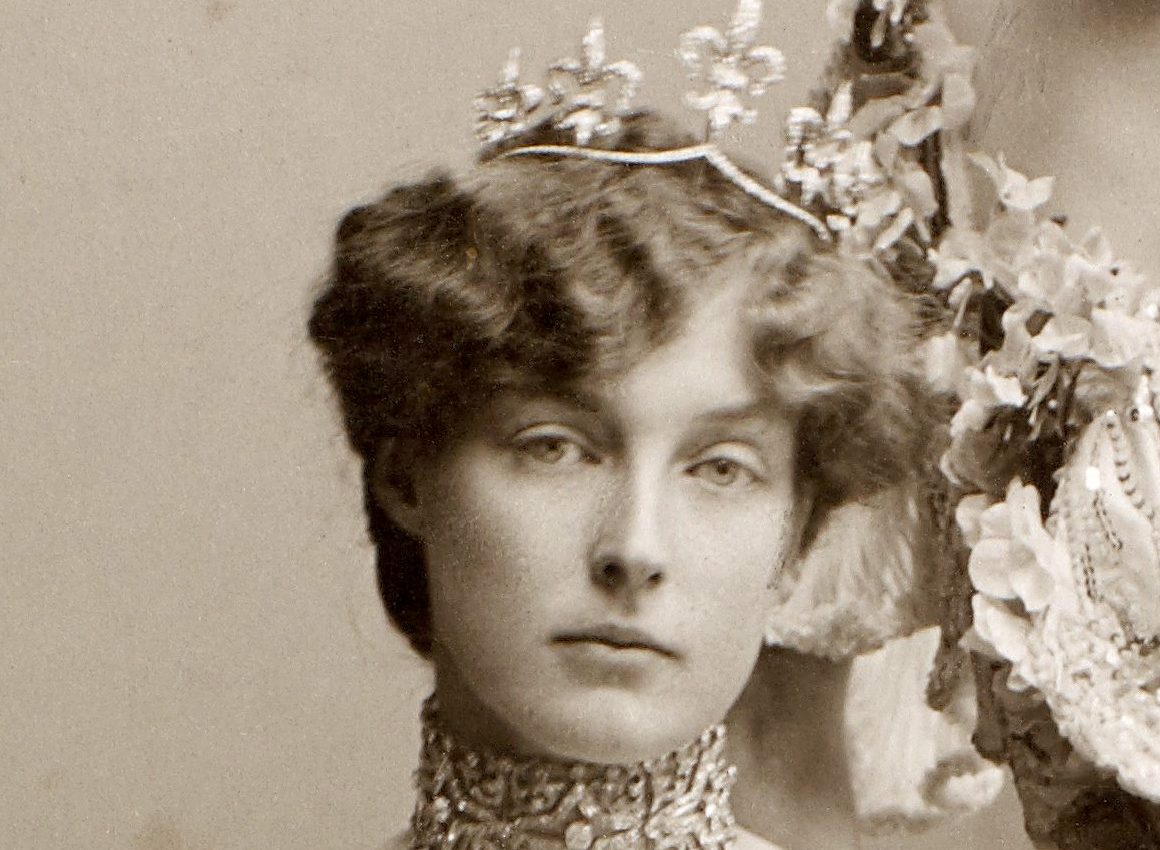
For years, the Orléans family of France had strived to keep their claim to the vacant throne alive. In 1899, Princess Isabelle of Orléans wed her first cousin Prince Jean, Duke of Guise.
The couple celebrated their union with a grand ceremony in England. Upon the death of Isabelle’ brother who died heirless, her husband became, by right of his marriage, the legitimate Orléanist claimant to the throne of France, and took the title “Jean III.”
This union between close relatives acted as the foundation to uniting all exiled French royalists.
King Ferdinand VII of Spain and Maria Isabel of Portugal
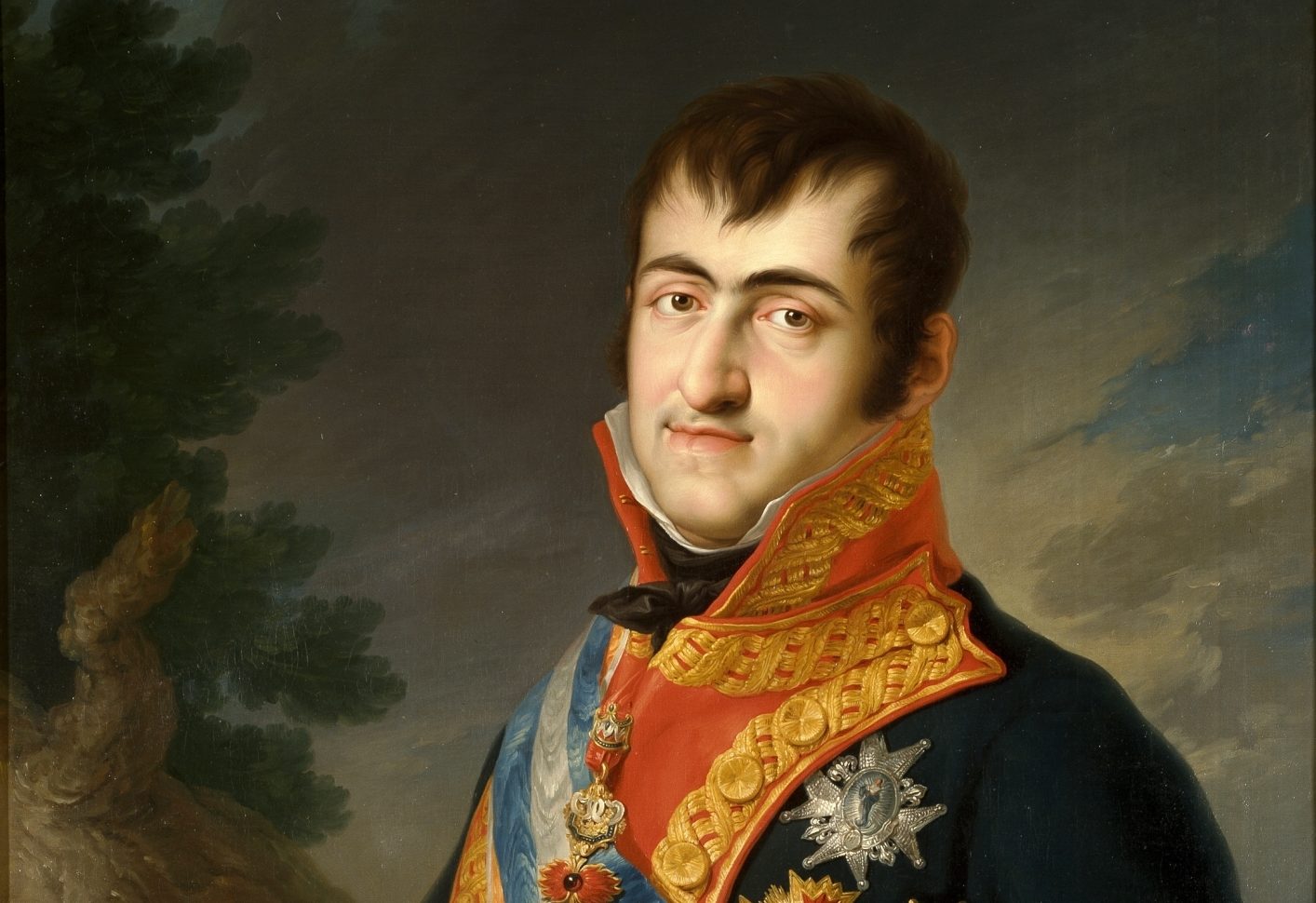
Following the death of his first wife and the lack of any surviving offspring, Spain’s King Ferdinand VII was in a desperate state, yearning for a male heir.
He sought one out in the fellow Catholic Portuguese royal family by marrying his maternal niece Infanta Maria Isabel of Portugal, thirteen years his junior. They were so closely related that they required a papal dispensation to marry (this was common practice among Catholic royals who often had to get dispensations from incest laws).
Sadly, Maria Isabel’s close familial tie to Ferdinand, coupled with the era’s limited medical knowledge, led to a series of difficult pregnancies that ultimately proved fatal during a botched C-section.
Archduchess Maria Theresa of Austria and Duke Charles of Lorraine
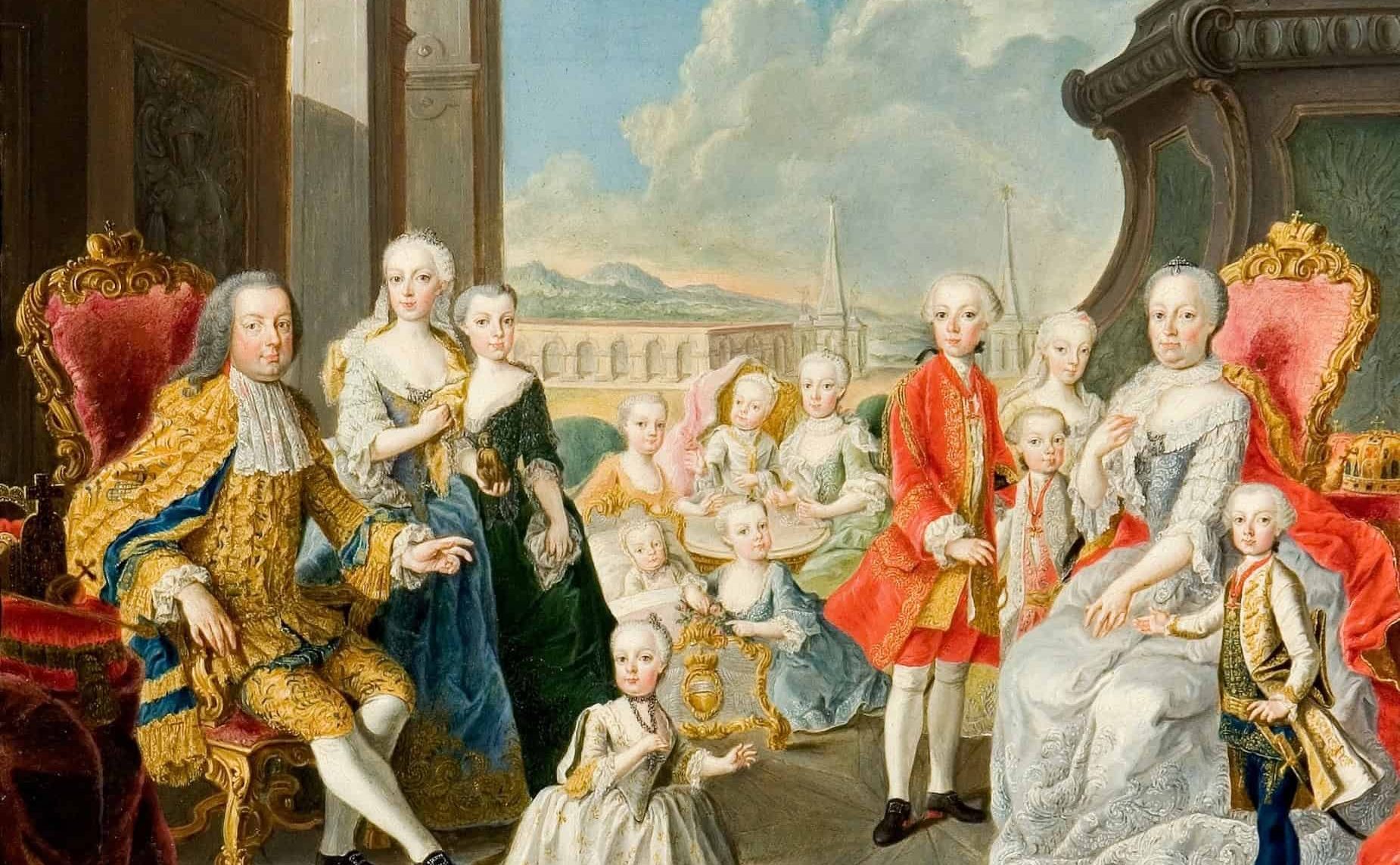
Maria Theresa didn’t have to stray too far from family when she picked her spouse. She wed her second cousin Francis Stephen of Lorraine. His family had been tied to Habsburg royalty through previous dynastic marriages as well.
They could not marry without a Papal dispensation as they were too closely related through Habsburg lines. Happily married, they had sixteen children together including Marie Antoinette, Queen of France. The lineage of Francis and Maria Theresa went on to lead under the newly formed House of Habsburg-Lorraine.
King Christian VII of Denmark and Caroline Matilda of Great Britain
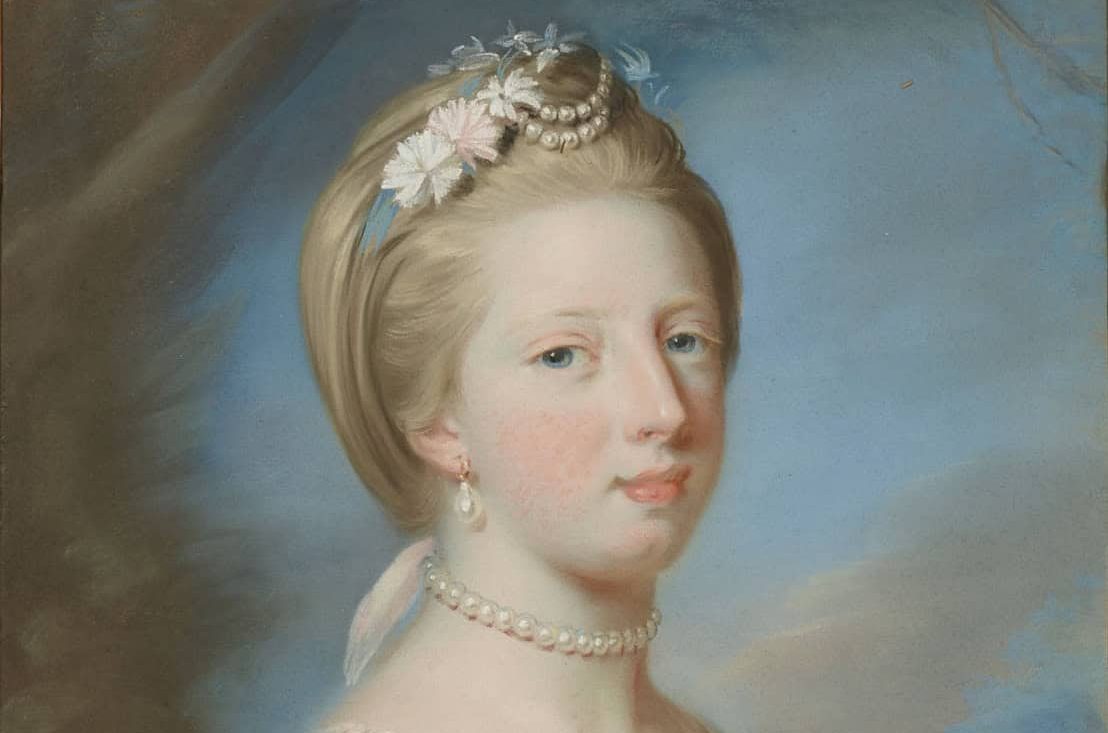
In the mid-1700s, the royal families of Britain and Denmark sought to tighten their political alliances through dynastic marriages. British princess Caroline Matilda was one such princess who was married off to her first cousin: King Christian VII of Denmark.
The marriage was not a happy one. Christian suffered from mental illness and behaved erratically. Caroline Matilda found herself stuck in a royal marriage that was anything but a fairy tale.
Lonely and depressed in her adopted home, Caroline Matilda began an affair with her king’s intellectual royal adviser Johann Struensee, starting a revolution that briefly took control of Denmark away from the crown.
Queen Victoria of the United Kingdom and Prince Albert of Saxe-Coburg and Gotha
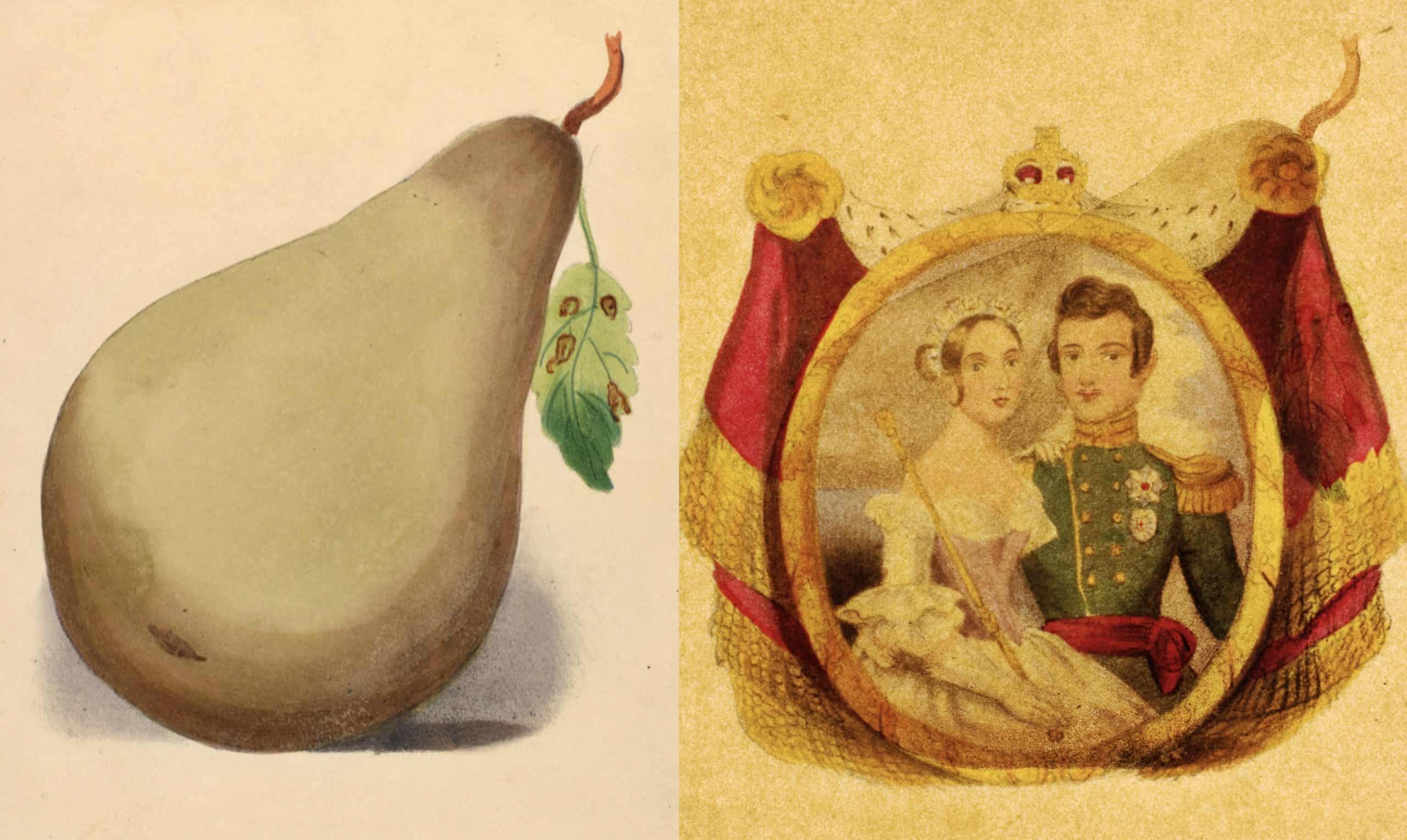
Despite being remembered as one of history’s grandest love stories, Victoria and Albert were first cousins who shared two sets of grandparents; Franz Frederick Anton, Duke of Saxe-Coburg- Saalfeld and Countess Augusta Reuss of Ebersdorf.
Managed carefully by their mutual uncle, King Leopold I of Belgium, the couple’s marriage would strengthen their small but powerful Saxe-Coburg lineage.
Through extensive in-breeding of their nine children, the lineage began to spread a fatal mutation that caused hemophilia through Spain, Russia, and Germany.
Cleopatra VII and Ptolemy XIII of Egypt
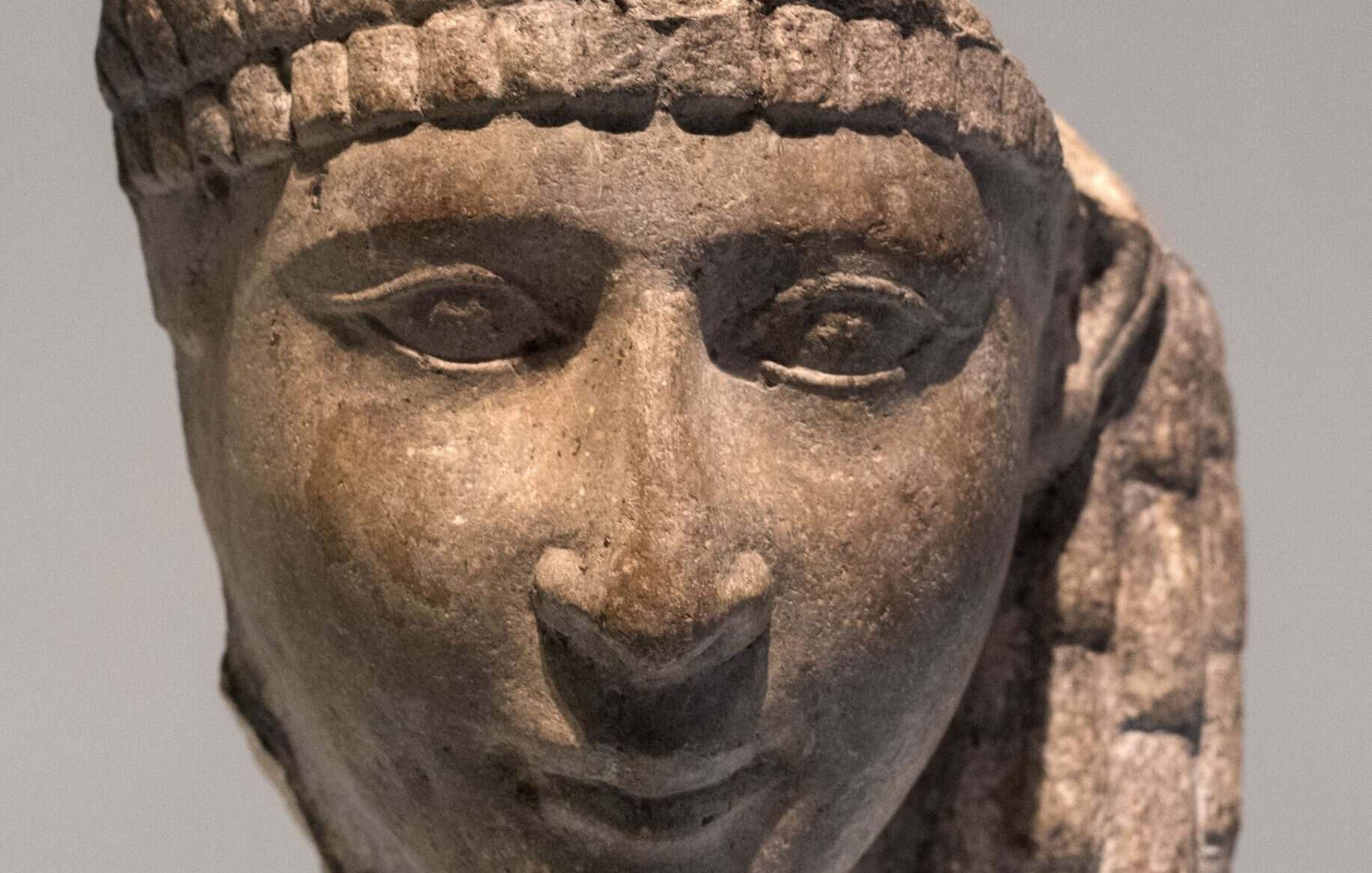
The rulers of Egypt’s Ptolemaic Dynasty took familial ties to the ultimate extreme, believing sibling marriage was a divine mandate from Isis and Osiris.
When her father died, legendary Queen Cleopatra VII married her younger brother, Ptolemy XIII, who was only around 10 years old at the time. The two married purely out of politics, wanting to remain brother and sister-pharaohs without outsiders’ royal blood mingling in the dynasty.
Their union rapidly soured into a brutal civil conflict for Egypt’s rule, culminating in Ptolemy XIII perishing by drowning in the Nile as he fled Julius Caesar’s troops.
King Louis XIV of France and Maria Theresa of Spain
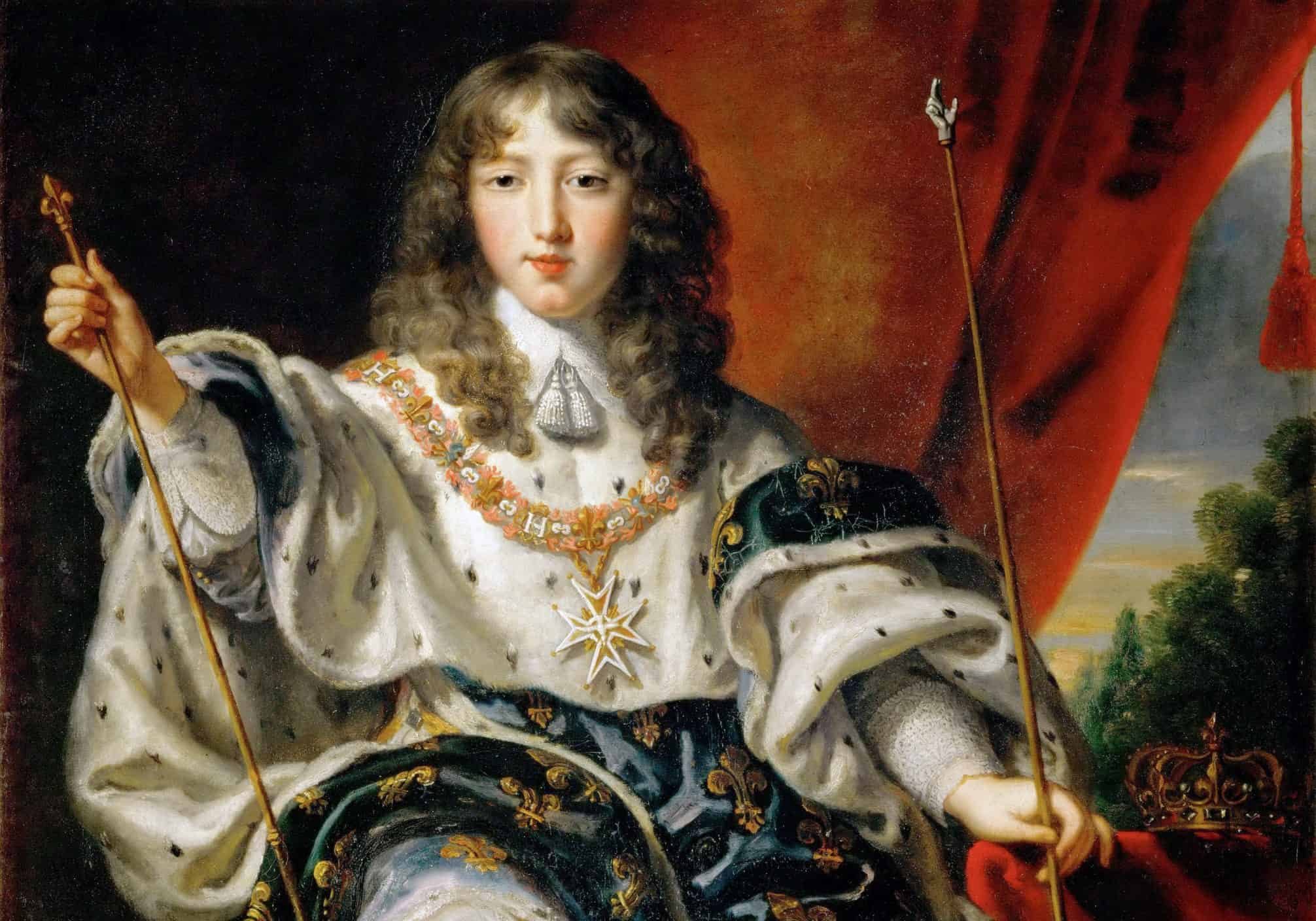
Louis XIV of France married Maria Theresa of Spain in 1660 as part of a peace treaty between France and Spain.
Their familial connection was remarkably close, as they were double first cousins, with Louis’ father being Maria Theresa’s mother’s brother and his mother being Maria Theresa’s father’s sister.
Louis, much like his father before him, paid little attention to his wife, instead seeking out a succession of influential royal mistresses. His relationship with his Spanish cousin was emotionally barren.
Sources: Please see here for a complete listing of all sources that were consulted in the preparation of this article.
Like our content? Be sure to follow us.
13 royals who had the weirdest habits
Some royals collected jewels, and some built palaces, but then there were those who did such weird things that it’s hard to believe they’re true.
