
Religion answers a lot of questions for a lot of people, but there are some questions that even the most religious people can’t seem to answer.
The hardest part

Talking about bad choices and crime is one thing. A sick kid is another. Non-religious people understand that people make choices and that people sometimes hurt each other for no reason. But what about kids who suffer?
What about kids with cancer or babies born into poverty? It’s not their fault, and the argument of ‘free will’ doesn’t really cover why these little ones are born to suffer. Religious people claim that ‘God has a plan,’ but that only raises more questions. Why that plan?
A strange request

Many religious people can’t explain why God would want worship at all. No, He doesn’t want kindness, and no, He doesn’t want honesty. It seems that only worship will do. That doesn’t really add up when God is supposed to be perfect and doesn’t need anything.
It could be that worship is meant to make humans feel grateful for what they have. But it still doesn’t explain things. Why does God need us to worship Him and not simply acknowledge Him?
The uneven map
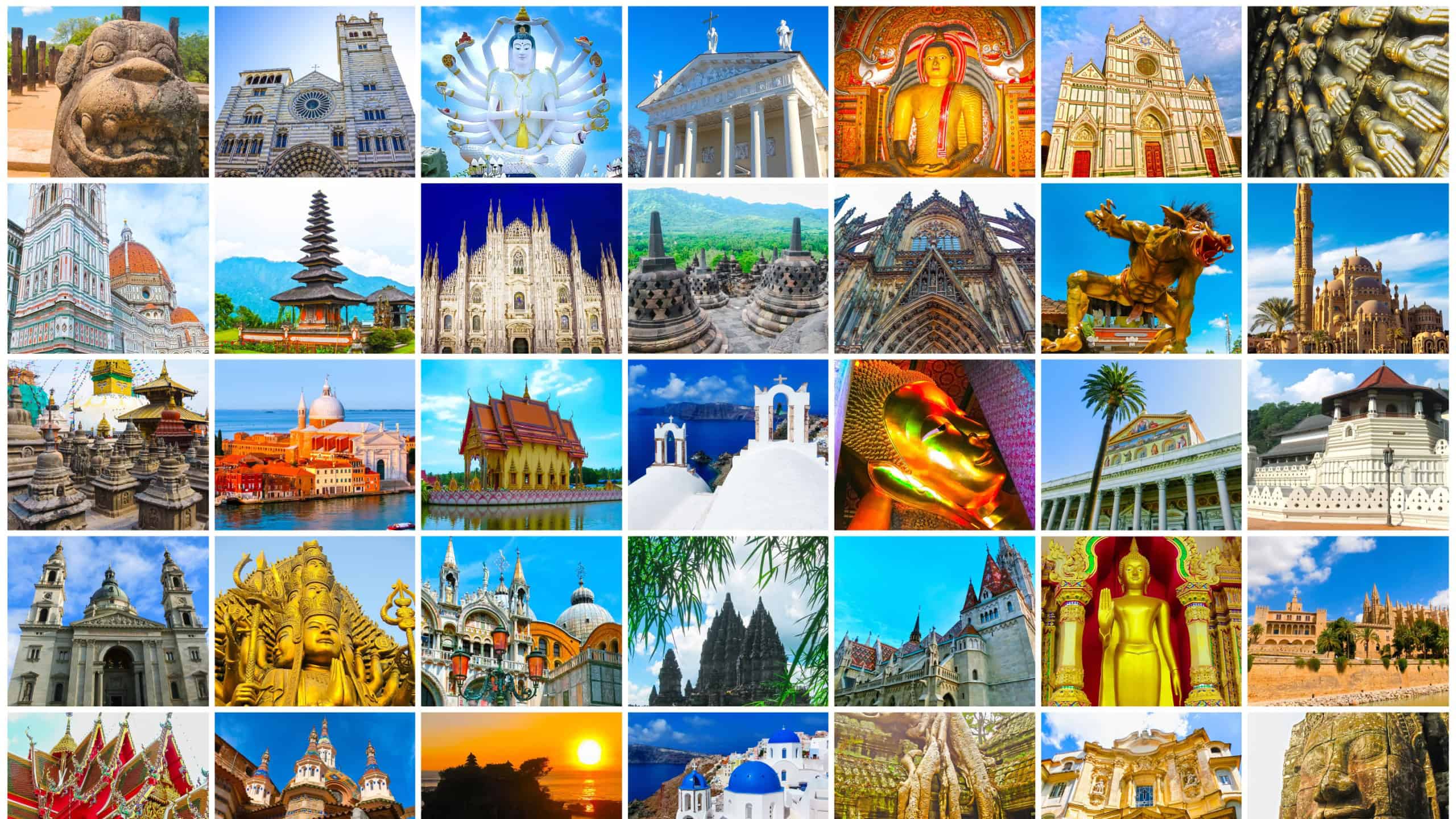
A map of religion is a religious person’s worst nightmare. A child born in Saudi Arabia is, more or less, guaranteed to grow up Muslim, while a child born in Brazil is probably going to be Christian. It’s almost a given.
So that begs the question about the ‘true’ message from God. If there’s supposed to be only one true message from the Almighty, why does it seem like birthplace and family have a lot more to do with someone’s religion?
The lack of response

Prayer’s a difficult one. You hear religious people talking a lot more about the ones that get answered than the ones that don’t. It seems like God says yes to some people and no to others. Ask religious people, and you’ll hear that it’s because God had another plan.
Or maybe something about His timing is different. That’s a pretty common one, too. However, it doesn’t really explain why prayers work sometimes, yet not other times. It can’t simply be down to a lack of faith.
The old rules
One of the most uncomfortable sides to Scripture is how it’s tied to the world it came from. Look at the Bible, for example. Leviticus has rules about slavery, and Ephesians says that slaves are supposed to obey their earthly masters. Thankfully, we know today that slavery is wrong.
That’s where the issue is. Why does morality in Scripture seem to reflect the time period that it came from? Scripture is meant to be eternal, and God’s message is meant to always be true. It doesn’t make sense why some of these outdated messages would be in there.
The setup

God knows everything. That’s what almost every religion says, and He apparently knew everything before He created humans as well. It means that He knew exactly who would fail and who would suffer, as well as the people who would never believe in Him.
Why did He bother creating them then? If He knew that there was no way they would believe, what would be the point? Some religious people will say it has something to do with free will, but that doesn’t make sense. God knew the ending from the very beginning.
The reward

It’s natural to have doubts, even when you’re religious. You’re just trying to be careful, after all. It’s this fact that makes the question of blind faith feel so unfair. Why does God reward faith more than honest doubt, when it’s a regular human emotion?
You see it all the time in the Bible. John praises those who believe without seeing, and Hebrews says you’ve got to have faith to please God. But what about the others? You know, the people who want truth, yet can’t force their belief? What are they supposed to do?
The food chain
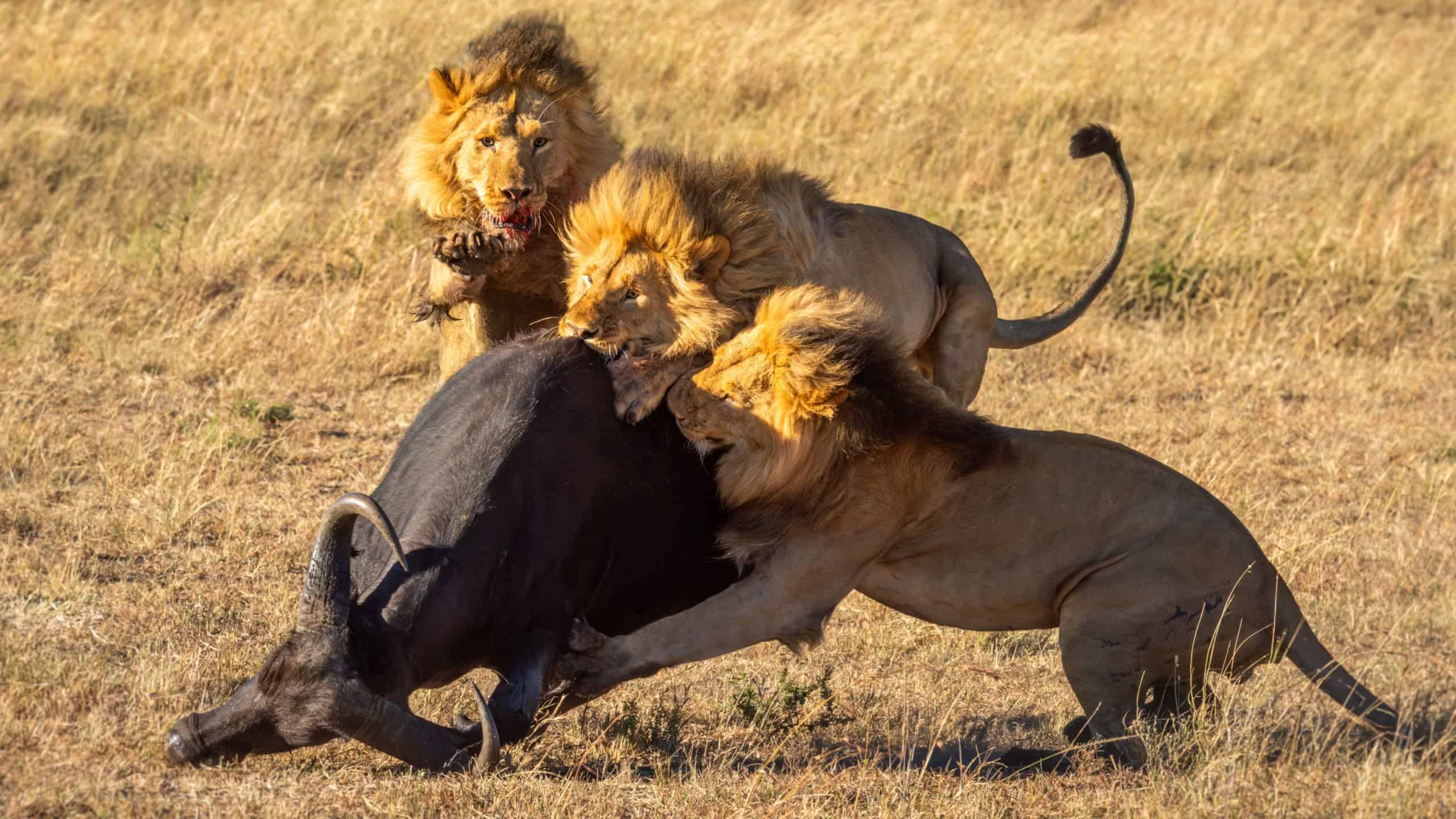
The food chain’s kind of gross, and you can’t really deny that. Why would God make a world where living things have to kill other living things to stay alive? That’s not only humans, either, since you see it happen all the time in the animal kingdom.
Religious people might say something about understanding the value of life or human evil, but that doesn’t make sense. Viruses have existed since before humans did. They kill living things, and they’re not exactly ‘sinning.’ Why create a world that works this way?
The hidden door
Time for another question about belief. Almost every religion says that believing in God is important, but if that’s the case, why would He stay hidden? Choosing not to believe will supposedly send you to hell. That’s not fair.
God isn’t obvious in the way that something like the Sun is, and some believers will say that God gives us enough signs. But apparently not enough to make us sure that He’s around.
The first choice
The problem with Satan is pretty clear. Why would God create a being that He already knew would create chaos? In the Christian story, Satan is a former angel who rebelled against God and became the tempter. Some stories say demons were originally good and later chose evil.
But hang on. God is supposed to know exactly what will happen, and that means He would’ve known that Satan would turn bad, along with the other demons. Why would He create them then? Free will can’t be the only answer because that’d create a lot of risks.
Sources: Please see here for a complete listing of all sources that were consulted in the preparation of this article.


