For many years, millennials have been giving the cold shoulder to some familiar household products, and it seems to be having a serious effect.
The laundry room extra
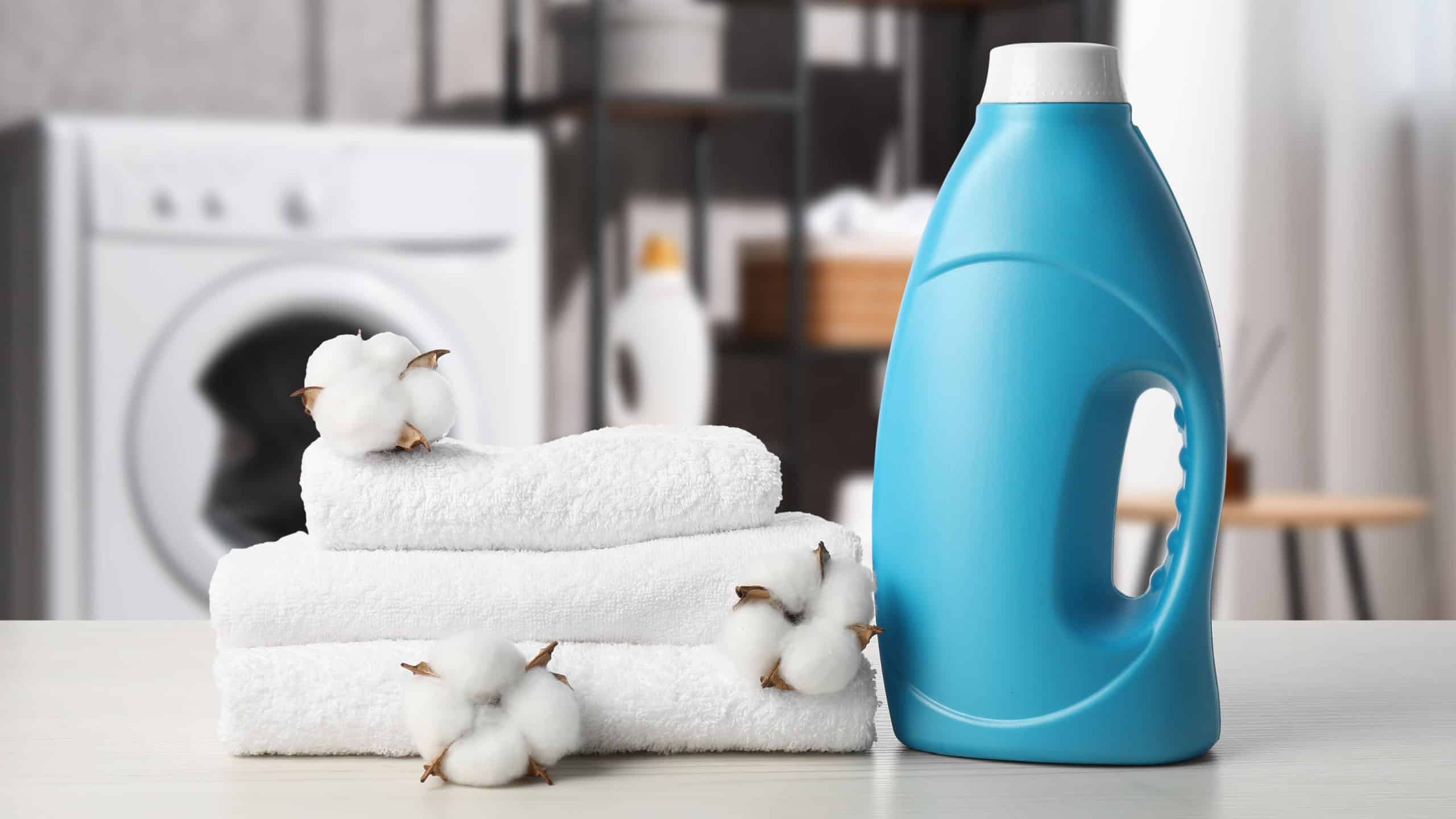
Doing laundry used to involve adding detergent and fabric softener to the washing machine, although millennials are doing things differently. They’re still cleaning their clothes, of course. The thing is, they’ve stopped using fabric softener, and it’s causing a decline in overall sales.
American liquid fabric softener sales fell 15% between 2007 and 2015, while Downy specifically lost around 26% of its sales during this time. According to Procter & Gamble, the main issue is that many younger shoppers don’t even understand what fabric softener is supposed to do. So they don’t buy it.
Missing from the dinner table
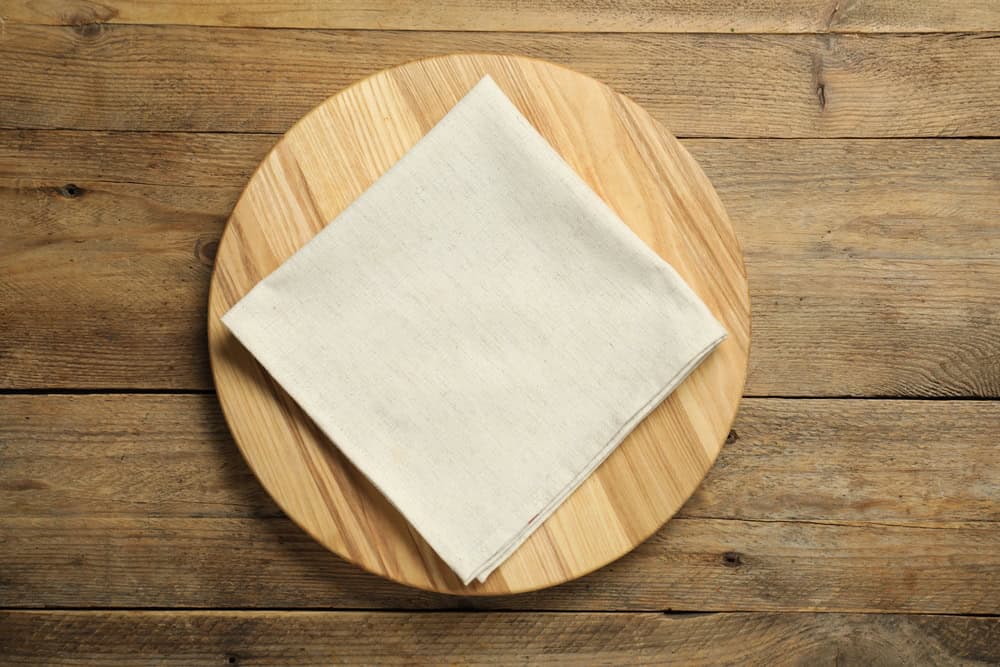
Millennials haven’t bought a pack of paper dinner napkins in a very long time. That’s because they’d rather get a paper towel to clean themselves when they’re eating. It does the same job, after all, and most millennials have a roll of it sitting in the kitchen.
In roughly 15 years, regular purchases of paper napkins fell from six in ten households to just over four in ten, and a lot of that decline has to do with younger shoppers. They choose to be less fancy during dinnertime.
A change in the shower
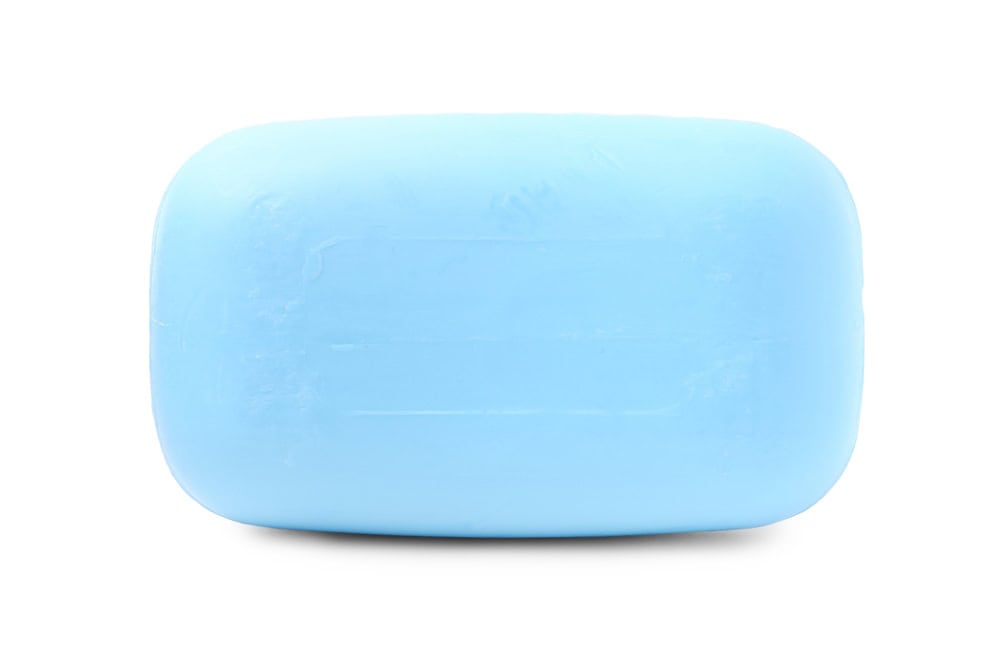
Young people have turned away from buying bars of soap, and they have a good reason for doing so. A lot of them believe the bars become covered in germs after a single use, so they’re refusing to use them.
However, that’s not all, as you also have to clean the soap dish once you’ve used the soap. It’s something that many millennials simply can’t be bothered with, and they see soap bars as less convenient than liquid soap. Body wash makes a lot more sense to this generation.
Breakfast in a cardboard box

You probably don’t think that making a bowl of cereal for breakfast is that difficult. You’re right, it’s not. The problem that many millennials have is with washing the bowl afterward, as one survey found that 39% of them said it was inconvenient. Yes, really.
It’s too much for them to have to wash a cereal bowl after they’ve eaten from it. The sugar content in cereals is also too unhealthy for them. For many millennials, breakfast bars and other foods they can grab on their way out make more sense. Companies like Kellogg’s have had to start selling breakfast sandwiches, just to reach millennials.
The expensive shave
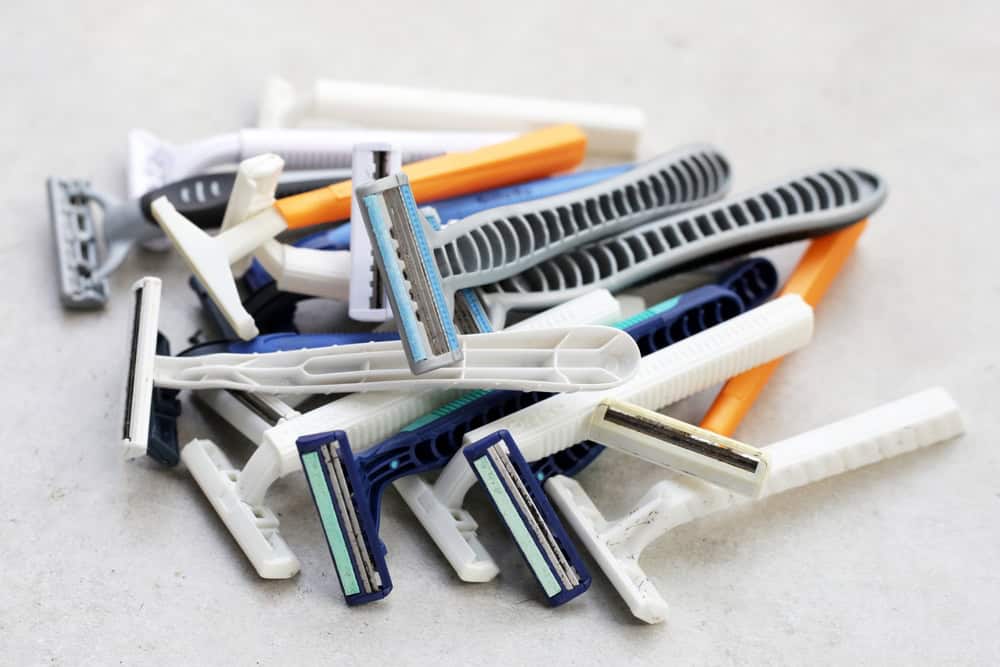
For many years, Gillette had a rather comfortable business. They sold replacement razor cartridges, and people would buy them. But along came companies like Dollar Shave Club and Harry’s. They offered millennials cheaper blades without needing to go to the store. You can simply get razors delivered straight to your door.
Younger customers really like the idea, to the point where Gillette’s American market share fell from around 70% in 2010 to 54% in 2016. Many millennials would rather buy electric razors or reusable alternatives than pay the usual price for a pack of refills.
A different kind of spread
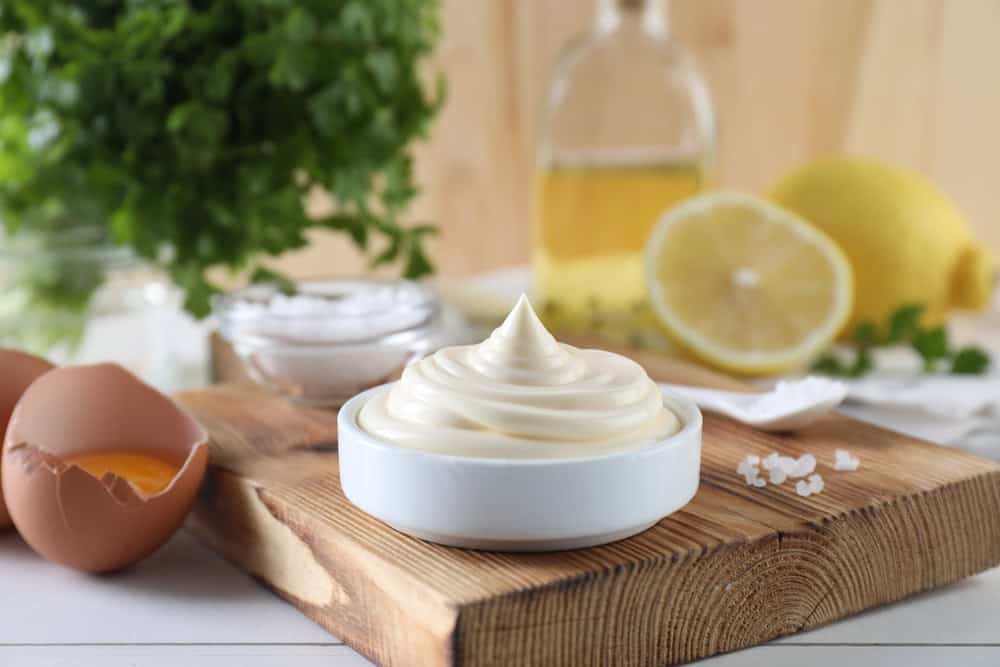
Mayonnaise is still a popular condiment in many American homes, although you’ll struggle to find it in many millennials’ fridges. Younger shoppers would rather buy things like hummus and hot sauce, as well as flavored spreads. They think these are better for sandwiches.
The younger generation hasn’t completely turned away from mayonnaise, though. They do still buy it, just not the traditional form, as chipotle and sriracha versions are far more in-demand with them. The plain old white version isn’t their thing.
Something new for sandwiches
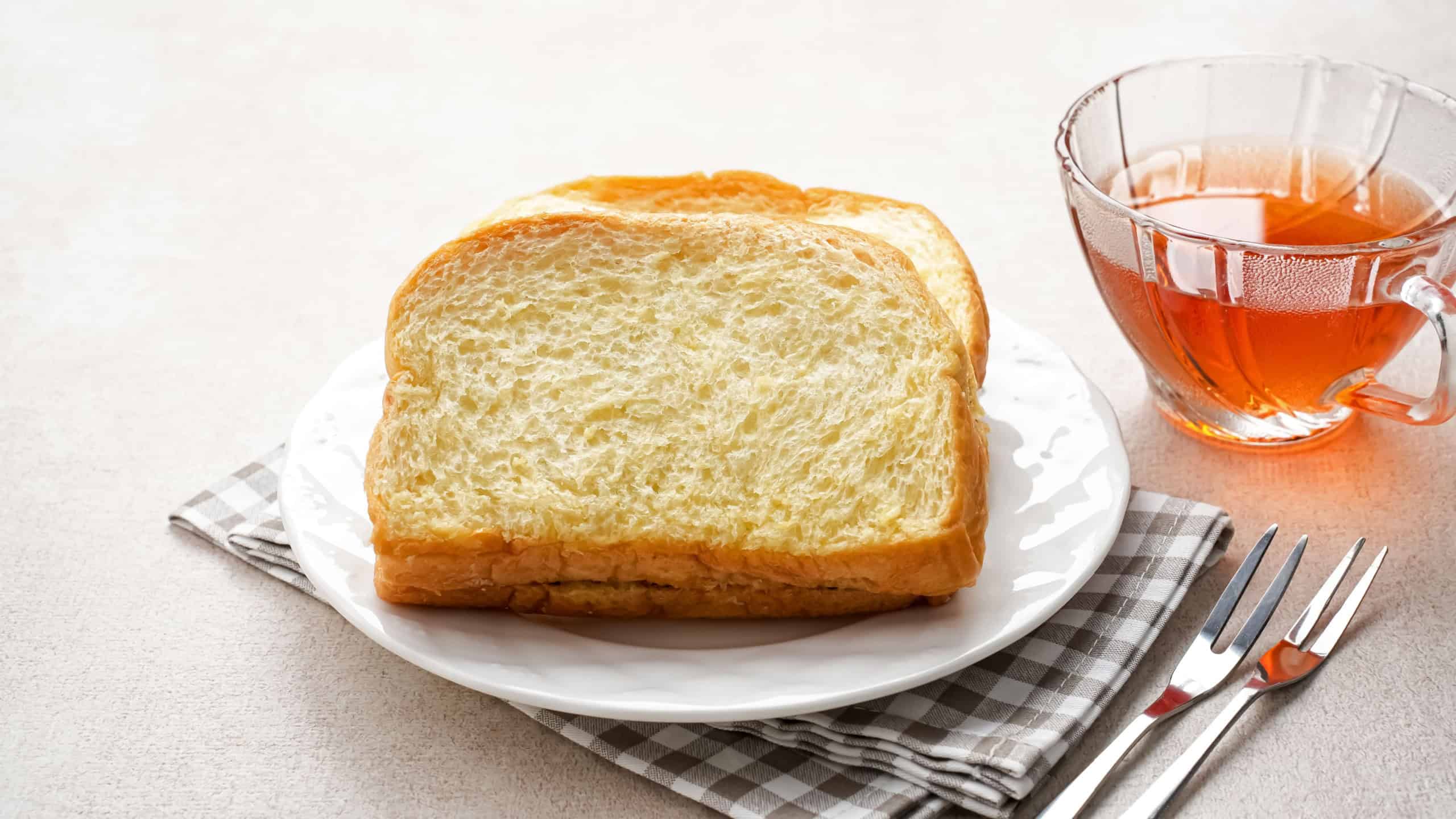
Bread is also declining in sales. One survey found that 55% of millennials think traditional sliced bread is boring, while 47% said they look for something different to buy regularly. This kind of dislike towards traditional sliced bread has caused a drop in sales.
Millennials prefer buying sourdough and those artisan loaves you often see at grocery store bakeries. They might be a little more expensive, yes, but millennials are willing to pay extra for these loaves.
The familiar orange square
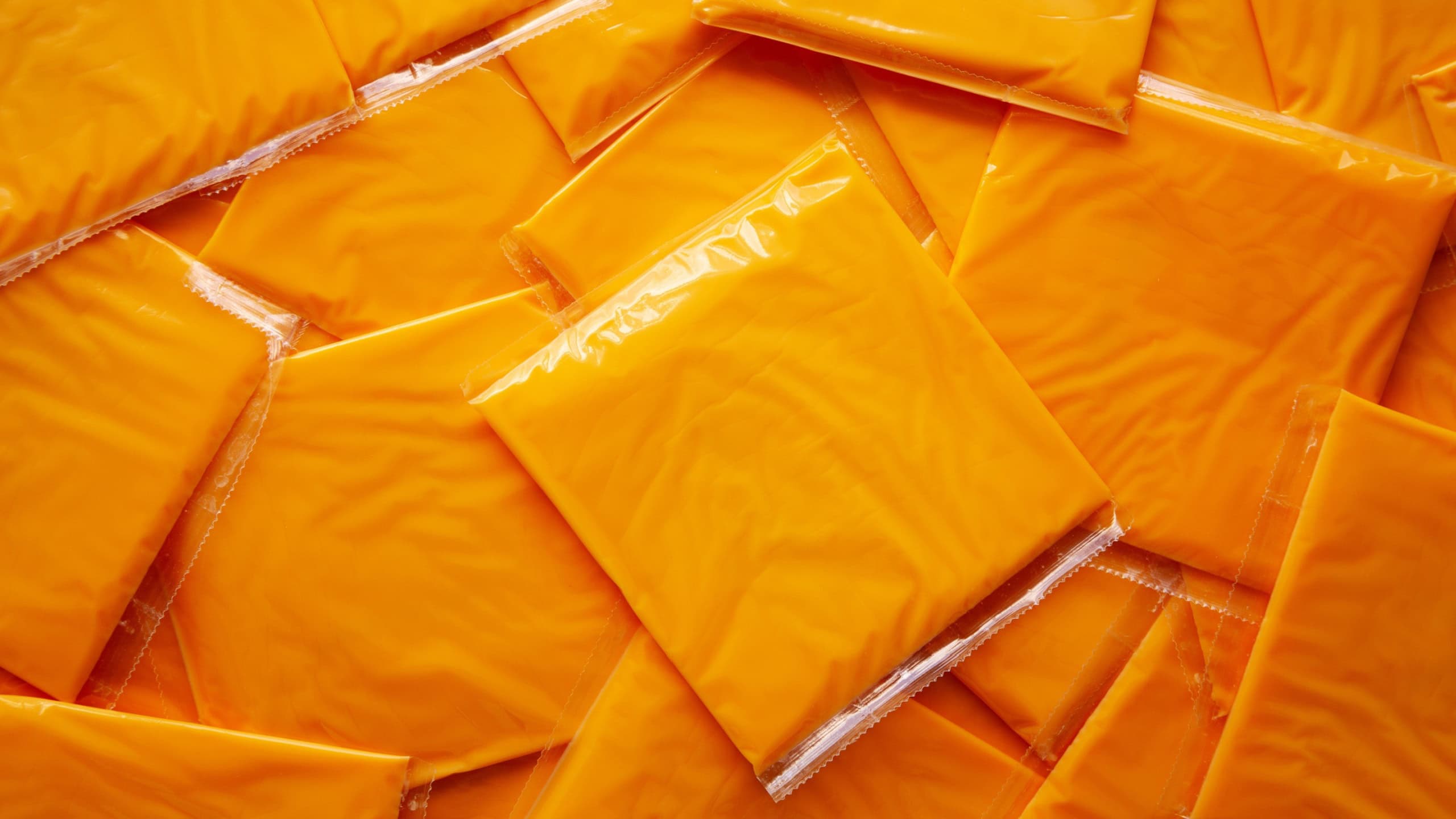
Many restaurants have started swapping out processed American cheese slices for something else, and the change is because of millennials. They want less processed cheese and they want more varieties with different flavors. Panera Bread’s menu change is a perfect example of this.
It has replaced its American cheese grilled sandwich with one featuring fontina, cheddar, smoked Gouda, and Monteau. It’s a similar issue in Canada, where A&W restaurants have begun using real cheddar instead of the processed American kind.
Beyond the original yogurt cup
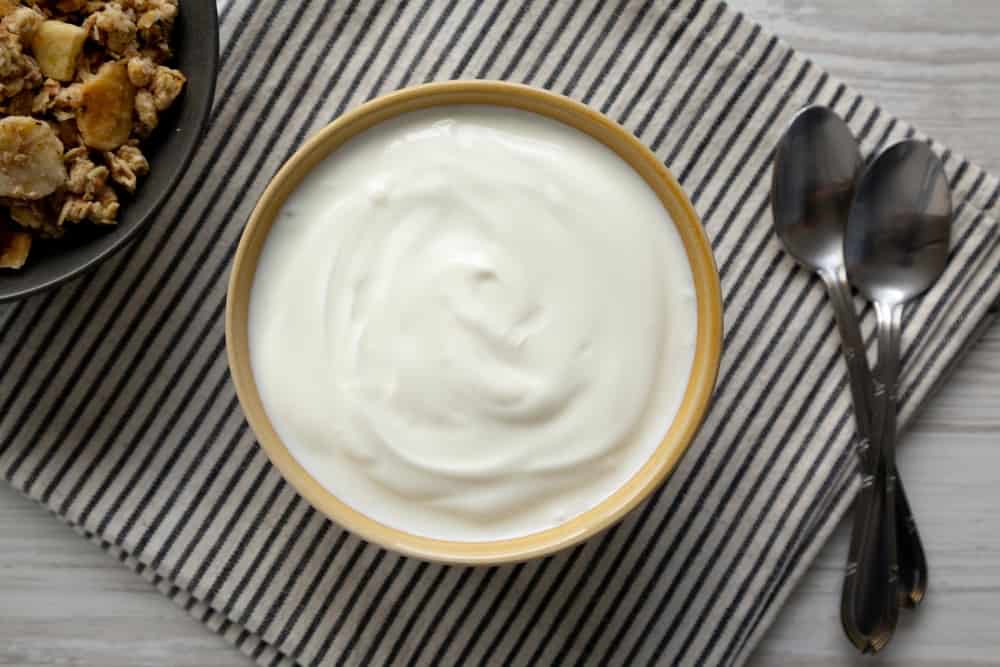
Plain yogurt seems a little boring to many millennials. They’re more interested in alternatives made from oats, coconut, and soy, along with Icelandic and French-style varieties of yogurt. They don’t think plain yogurt is worth it anymore.
This kind of yogurt is still popular among older generations, but you’ll find that many younger people would prefer to have something a little different. Plain yogurt is, well, too plain for them.
The old-fashioned fruit snack
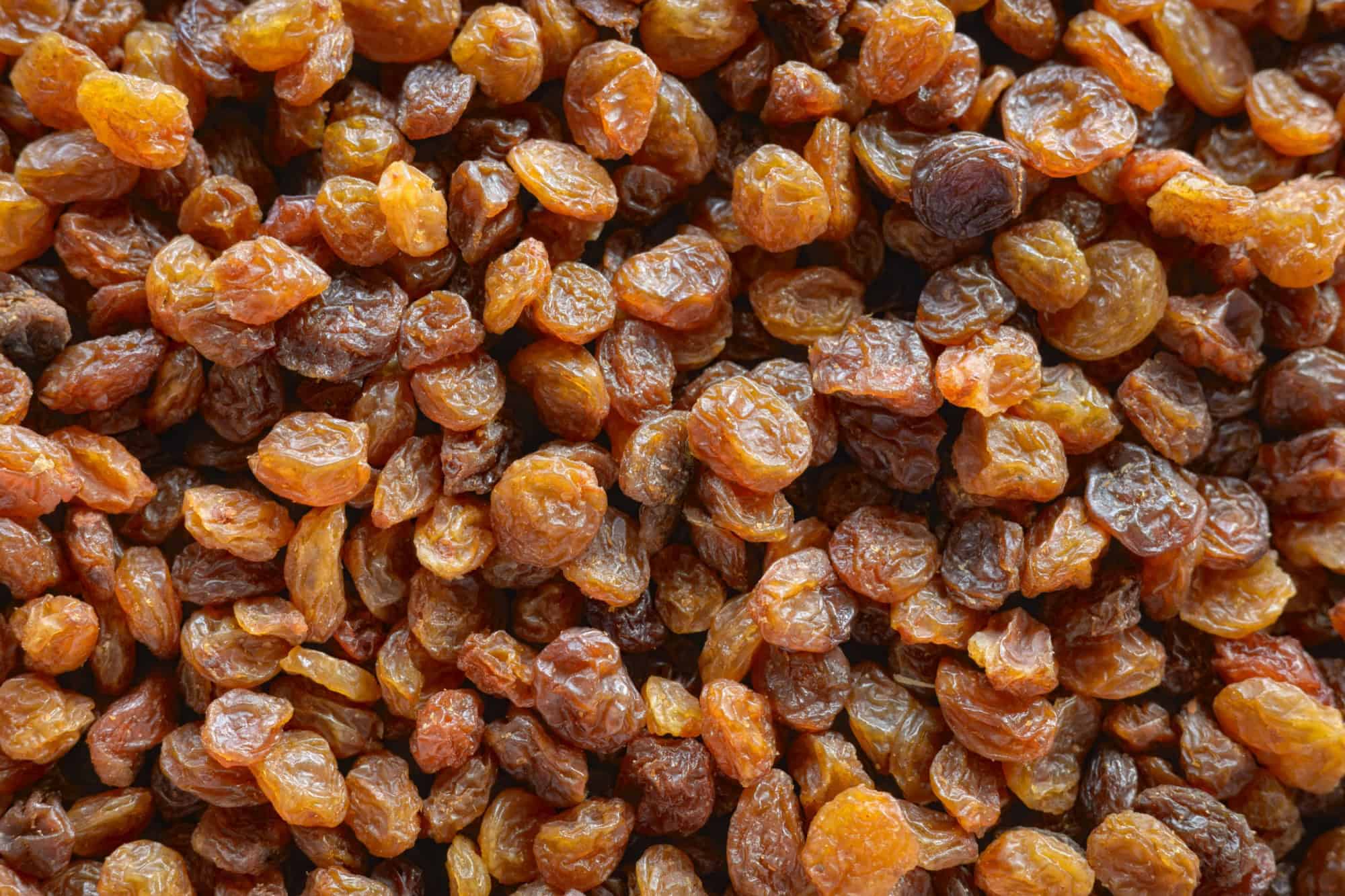
A lot of young people aren’t going to grab a box of raisins when they’re craving something sweet. Sun-Maid understands that, and it’s the main reason why they began creating sour raisins. You can find flavors like strawberry and watermelon now.
Young people aren’t buying normal raisins as much as older generations do, with both millennials and Gen Z particularly turning away from the snack. Over a decade, USDA figures showed that raisin availability per person fell by roughly 15%, while consumption had also fallen by around 10% over a separate five-year period.
Sources: Please see here for a complete listing of all sources that were consulted in the preparation of this article.
Why I’ll never buy these home gadgets again after 60