

There are many people in history who didn’t just talk about being kind, but rather, they opened their homes and broke rules, all in the name of helping their fellow humans.
Samuel Gridley Howe

It’s easy enough to talk about helping other people, it’s another to actually do it. Samuel Gridley Howe was tired of simply talking about trying to help blind kids, it didn’t seem to be getting anywhere. He then decided to take his students to meet lawmakers.
They read raised-print books and wrote. They played music and showed what they had learned. Pretty incredible stuff, given that education for blind children was still rare in America. He opened a Boston school for the blind in 1832. It was slow progress, yes, but still progress.
Anthony Benezet

Anthony Benezet was a man who took education seriously. So seriously, in fact, that when he finished teaching for the day, he began teaching from his Philadelphia home. He taught Black children and adults for evening lessons.
Benezet also helped create a free school for Black students, where they could learn about subjects that were normally reserved for white pupils. That just didn’t happen in those days. He also wrote pamphlets speaking against slavery and sent them to people with political influence.
Nise da Silveira

Using paintbrushes instead of punishment sounds relatively normal today. But it was pretty revolutionary when Nise da Silveira came up with the idea in 1946. She took over an occupational therapy section in Rio de Janeiro and refused to use lobotomies or insulin shock.
She wasn’t going to hurt them. No, she gave them paint and clay. She gave them love and time. Showing her patients basic respect helped them to heal, and the artwork they created later filled the Museum of Images of the Unconscious. She was a big believer in love over pain.
John Woolman

It would’ve been so easy. John Woolman could’ve stayed home and run his successful business, but no, he didn’t do that. Instead, he spent years traveling around colonial America to sit in people’s houses and ask them to free their slaves. It sure would’ve been awkward.
Woolman put his money where his mouth was and stopped buying goods connected to slave labor, too. He’d also pay slaves directly when he stayed with slaveholding families. One conversation, one household, then another. What a man.
Eglantyne Jebb
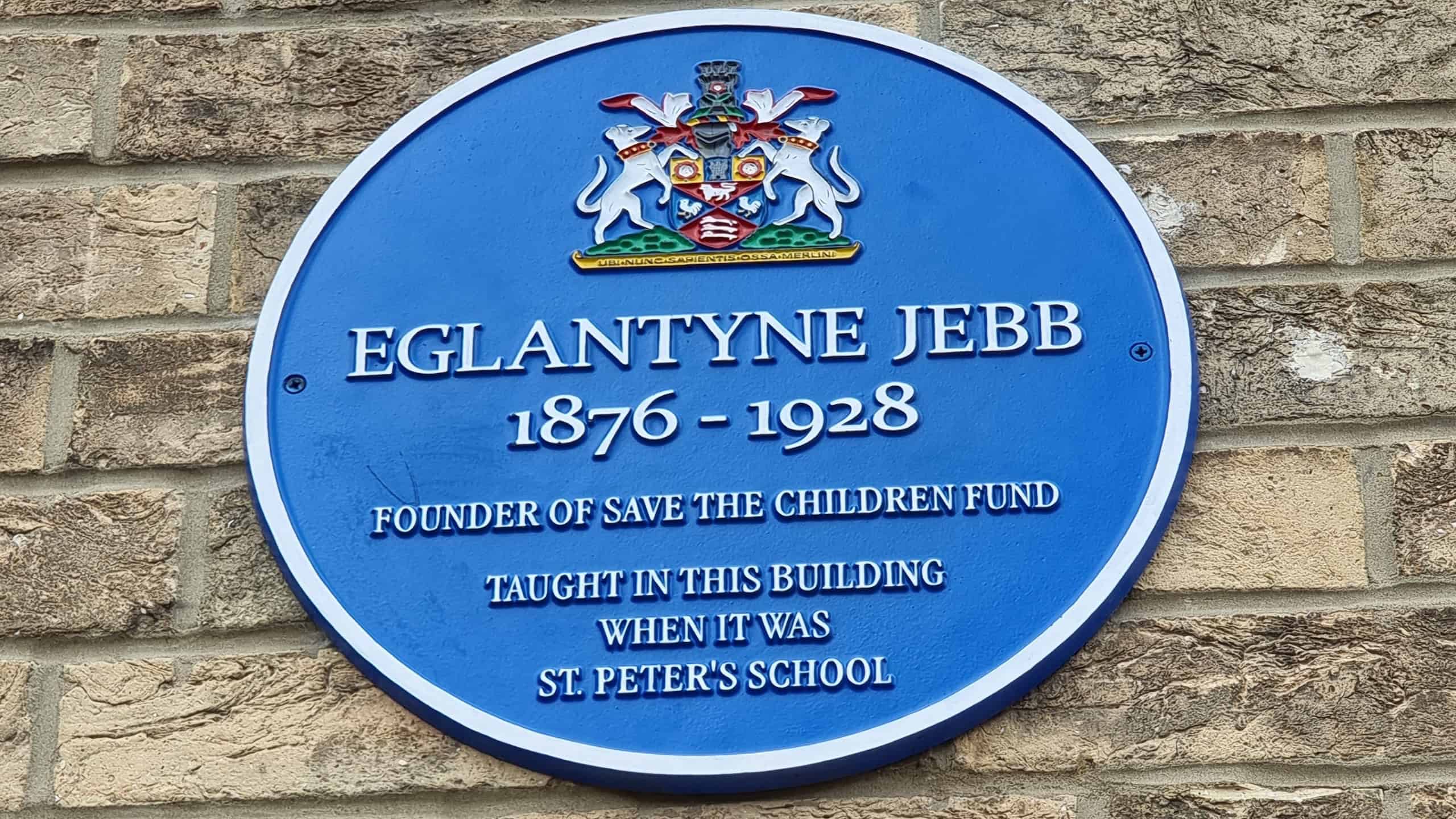
Helping children in your own country is difficult enough. Helping those in another makes you a hero. That’s exactly what Eglantyne Jebb did, she raised money for children in Germany and Austria just after World War I.
This was during a time when many British people saw them as the enemy. She was actually arrested in 1919 for making people aware of the effects of starvation. Later on, Jebb helped found Save the Children and fought passionately for children’s rights.
Abdul Sattar Edhi

Abdul Sattar Edhi didn’t care about what religion people were, and he certainly didn’t ask questions about whether someone ‘deserved’ help. He just did it. He started from a clinic in Karachi, Pakistan, and eventually expanded into shelters and orphanages.
He also built homes for people with disabilities or mental illness. Edhi’s care started young, too, since he placed cradles outside welfare centers so unwanted babies would be left somewhere safe. He did it all while living in two simple rooms.
Caroline Chisholm
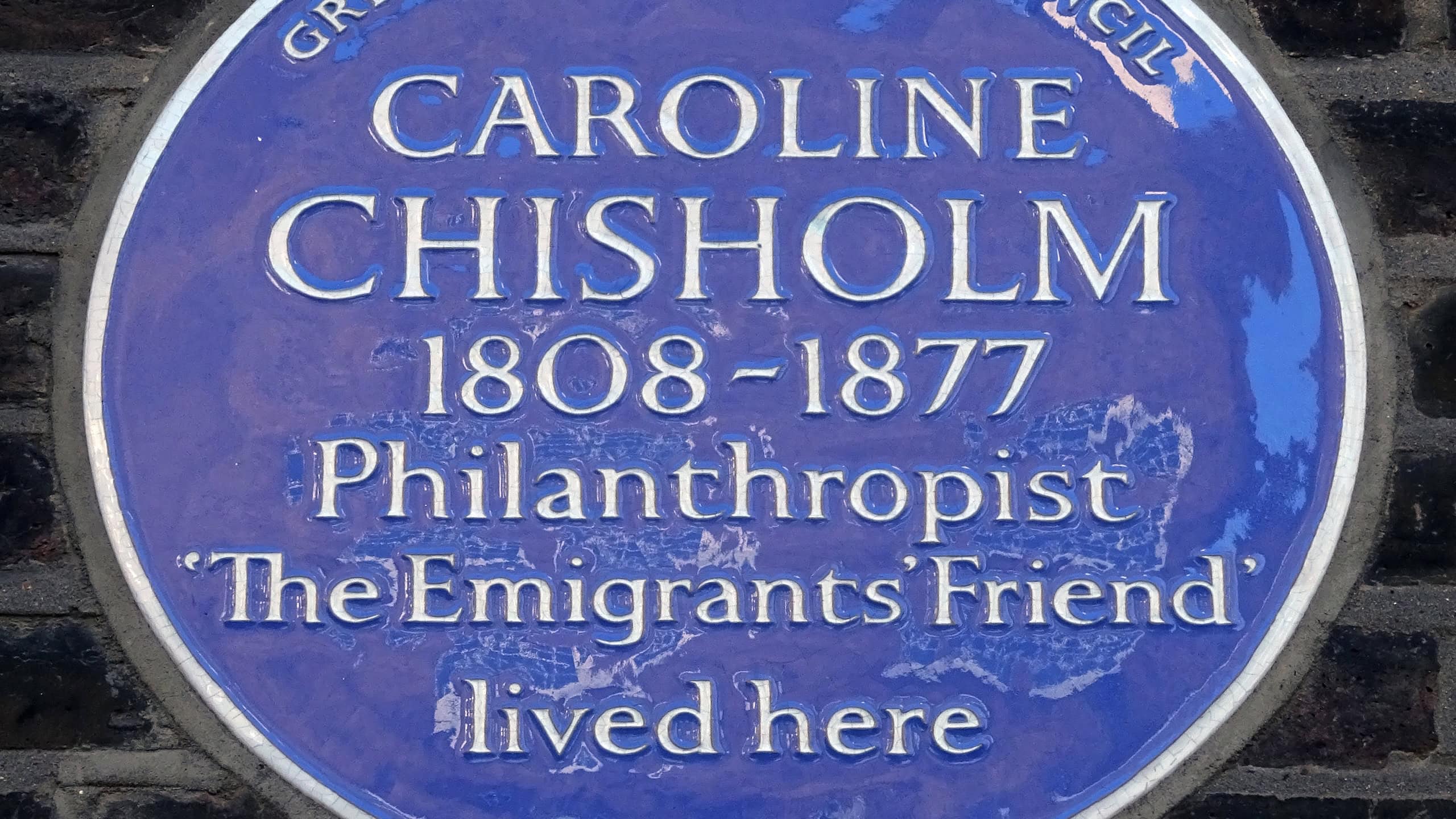
In the 1840s, immigrant ships reached Sydney, Australia, and Caroline Chisholm would go straight to the docks. She was there to help the young women who arrived alone and with little money. She brought them into her own crowded home so they had somewhere safe to sleep.
Chisholm later opened the Female Immigrants’ Home to help them find work and arrange transport to places where they could work. That’s not all, however. She’d also travel with groups into rural areas and set up stopping places for families along the way. She was that good.
Josephine Butler

Victorian society was pretty restrictive. It was so restrictive that you just couldn’t talk about women in prisons or workhouses, and certainly not in prostitution. But Josephine Butler didn’t care about that because she walked into those places anyway.
She took several sick women into her own house to care for them, and then helped lead the fight for them. She fought against the laws that allowed police to detain women suspected of prostitution and force them through medical examinations.
Nicholas Lowinger

12 years old. That’s how old Nicholas Lowinger was when he got his big idea, just 12 years old. He was visiting homeless shelters at the time and saw children wearing poor shoes that pinched or basically fell apart. He wanted to put an end to that.
So, for his bar mitzvah project, he started Gotta Have Sole, a foundation that aimed to give disadvantaged children proper footwear. It grew beyond a one-time collection to eventually reach children in all 50 states. Kids could now run around without sore feet.
Chiune Sugihara

Chiune Sugihara received some pretty clear instructions from Tokyo while he worked at a consulate in Lithuania. He was supposed to deny most of the Jewish refugees waiting outside in 1940. But he ended up approving as many as he could to keep the people safe.
Sugihara wrote more than 2,000 transit visas by hand for many weeks. The consulate closed, but still, he carried on writing the visas at his hotel. In fact, he was still handing signed papers out through a window while his train prepared to leave Kaunas. Now that’s real dedication.
Sources: Please see here for a complete listing of all sources that were consulted in the preparation of this article.


