

Some of America’s most famous ideas didn’t come from fancy labs or big cities. No, they appeared in small towns & garages. Here are ten inventions that began in tiny American towns and other places that most people couldn’t even find on a map. Which one do you think deserves a roadside sign?
Featured Image Credit: Shutterstock.
Steel plow born in Grand Detour, Illinois
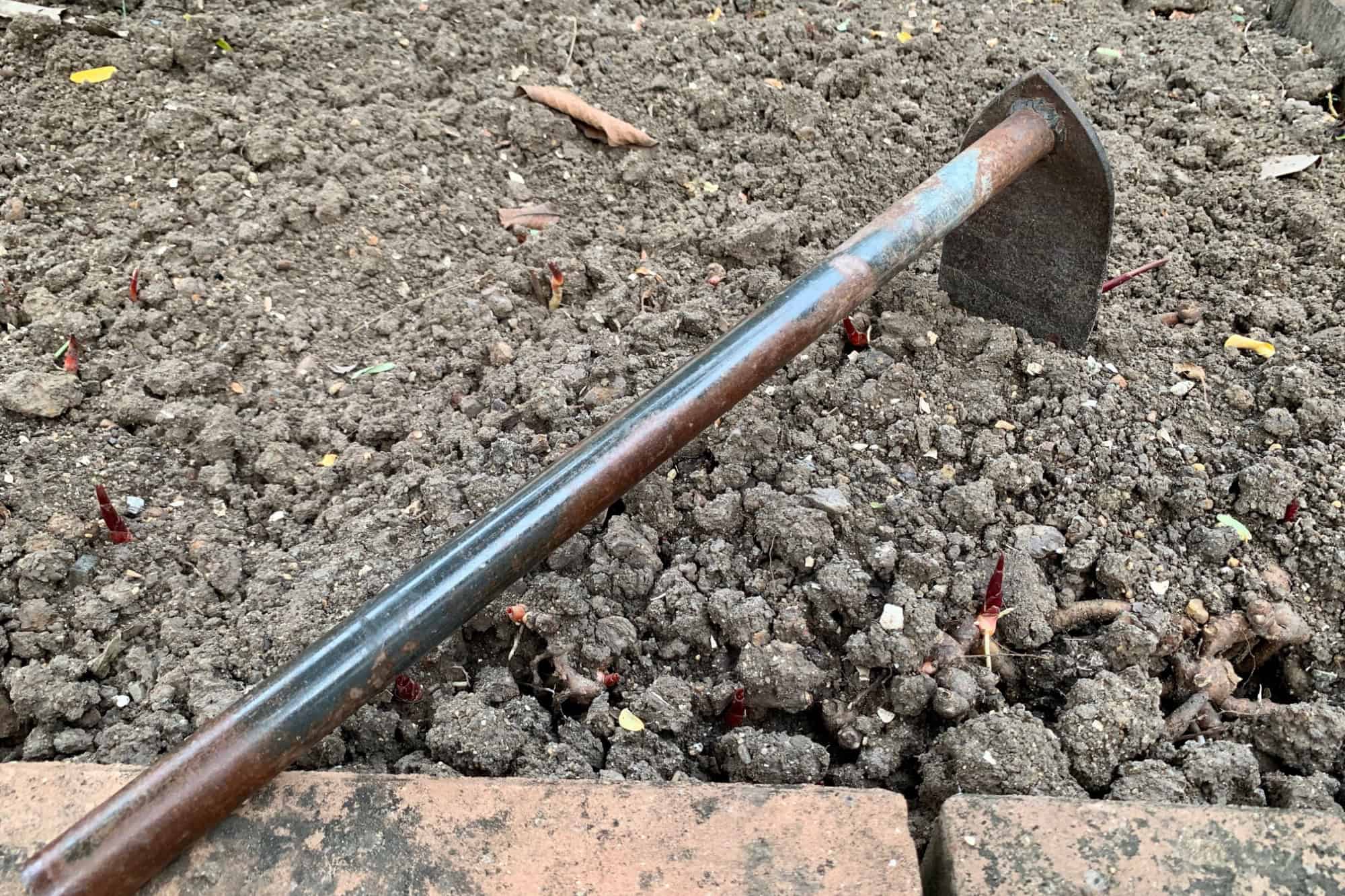
In 1837, blacksmith John Deere grew tired of cleaning prairie soil off cast-iron plows, so he invented the steel plow in his Grand Detour workshop. He reshaped an old saw blade into a shiny steel version that actually shed the dirt. Farmers lined up for it. That tiny riverside town now had the tool that would change Midwest farming forever.
Motor toboggan snowmobile from Sayner, Wisconsin
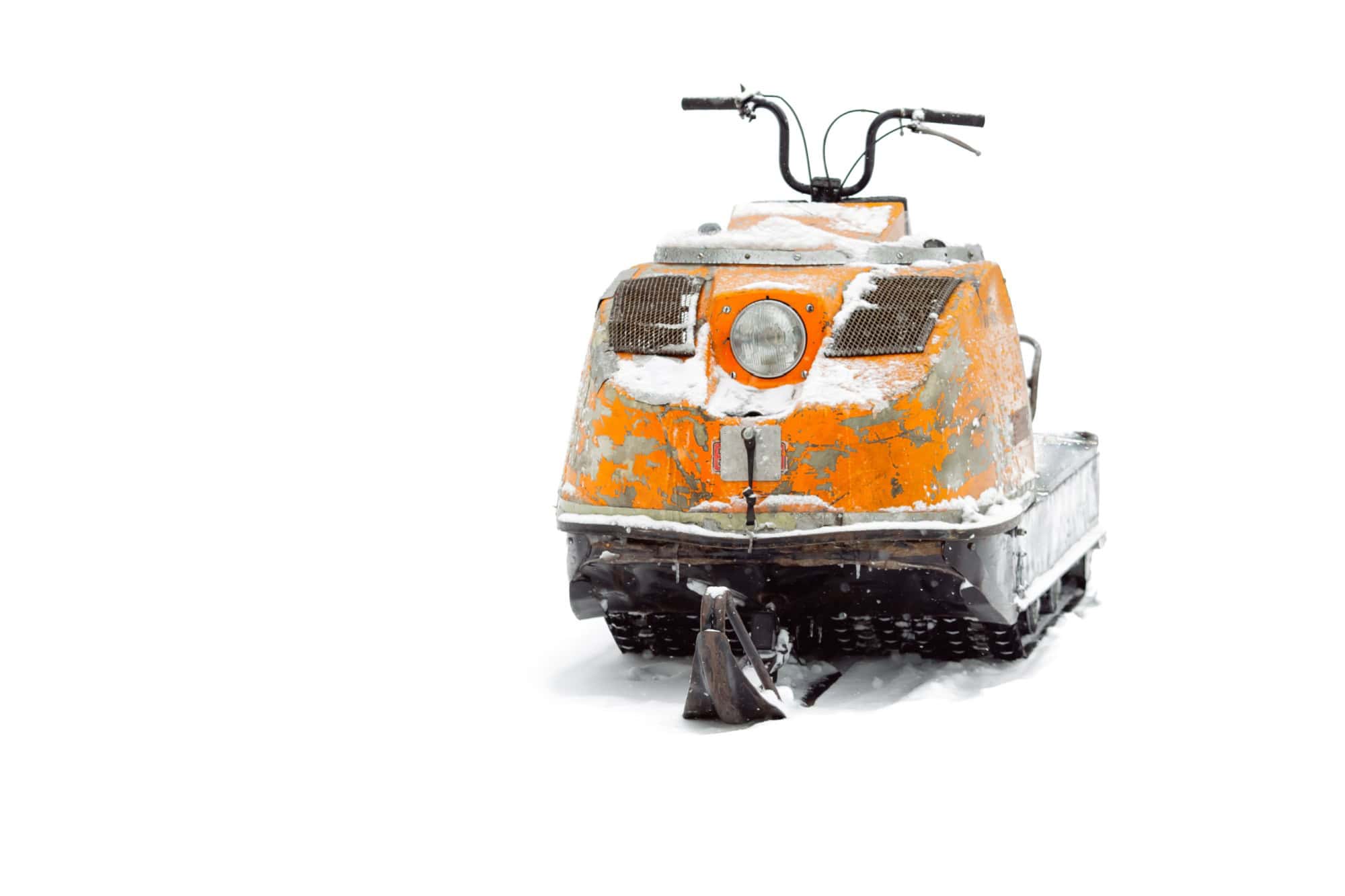
Carl Eliason didn’t invent the motor toboggan snowmobile to make history. He simply wanted a way to get around snowy Wisconsin winters. In the 1920s, in Sayner, Eliason rigged a toboggan with a small engine & steering skis that locals later called a “motor toboggan.” But it was actually the first snowmobile, and Eliason’s patent came a few years later.
Chocolate-chip cookie created in Whitman, Massachusetts
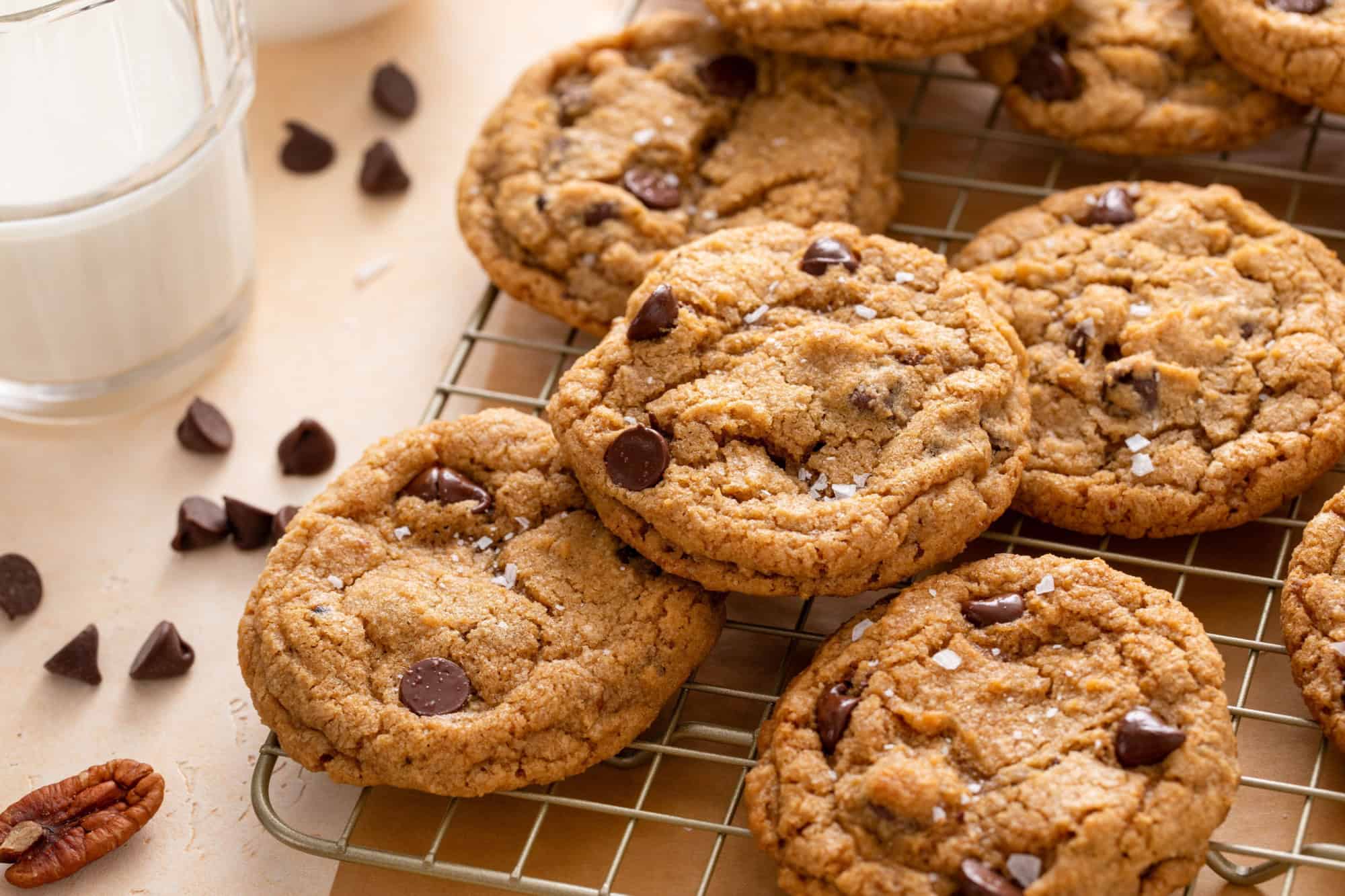
In the 1930s, Ruth Wakefield ran the Toll House Inn in Whitman, and she decided to throw chunks of Nestlé chocolate into cookie dough. The guests went crazy for it. By 1939, Nestlé had begun printing Wakefield’s recipe on chocolate bar wrappers, and they turned a small-town treat into America’s favorite comfort snack.
Wiffle Ball backyard fix in Fairfield, Connecticut
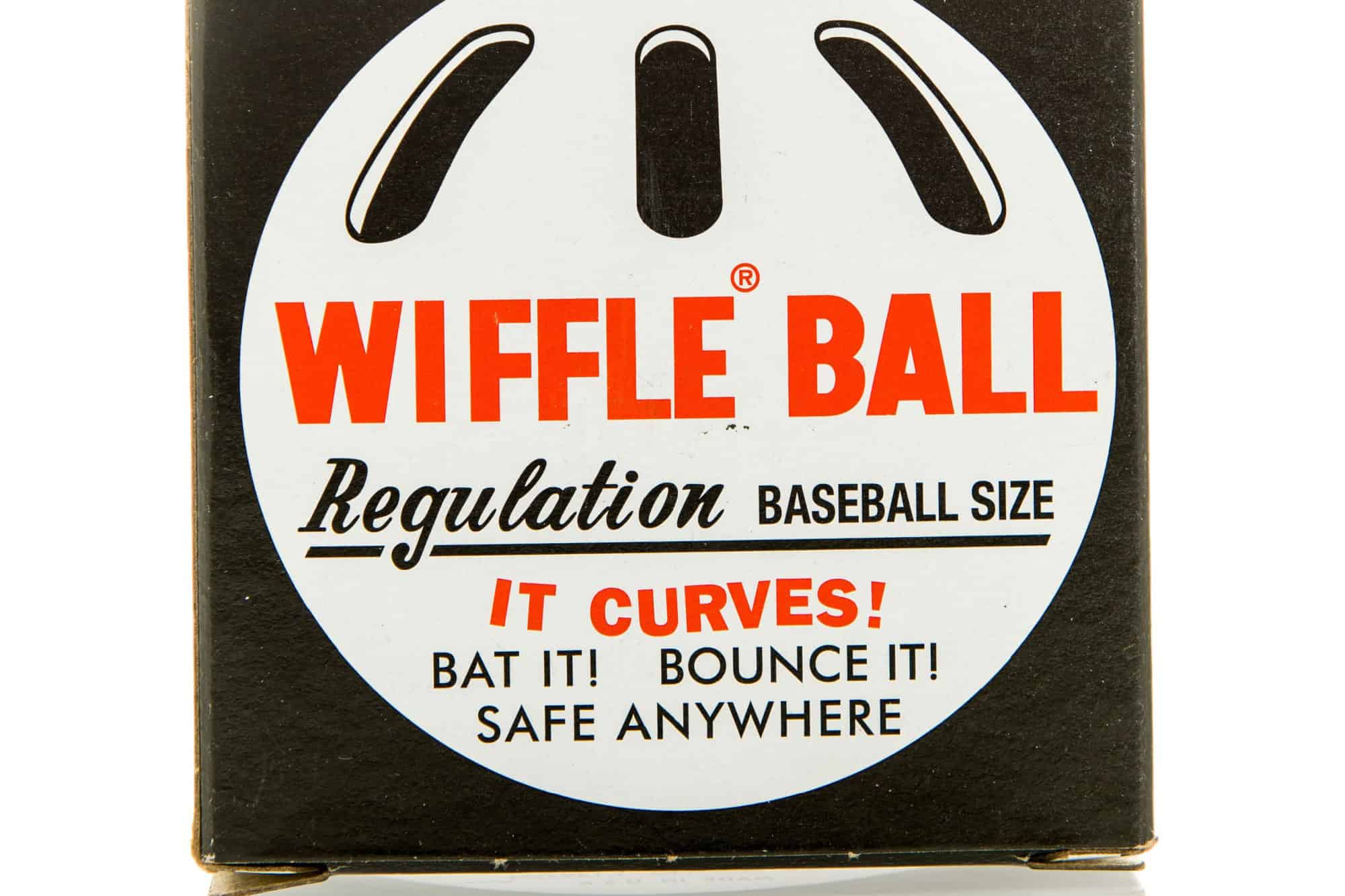
David Mullany was annoyed that his kid kept breaking windows, so, in 1953, in their Fairfield backyard, he drilled holes in a plastic ball. This way, it would curve in the air without smashing glass. It worked so well that the neighborhood kids asked for more & Mullany called it the Wiffle Ball. Within a year, they were selling by the box.
Bubble Wrap garage experiment in Hawthorne, New Jersey
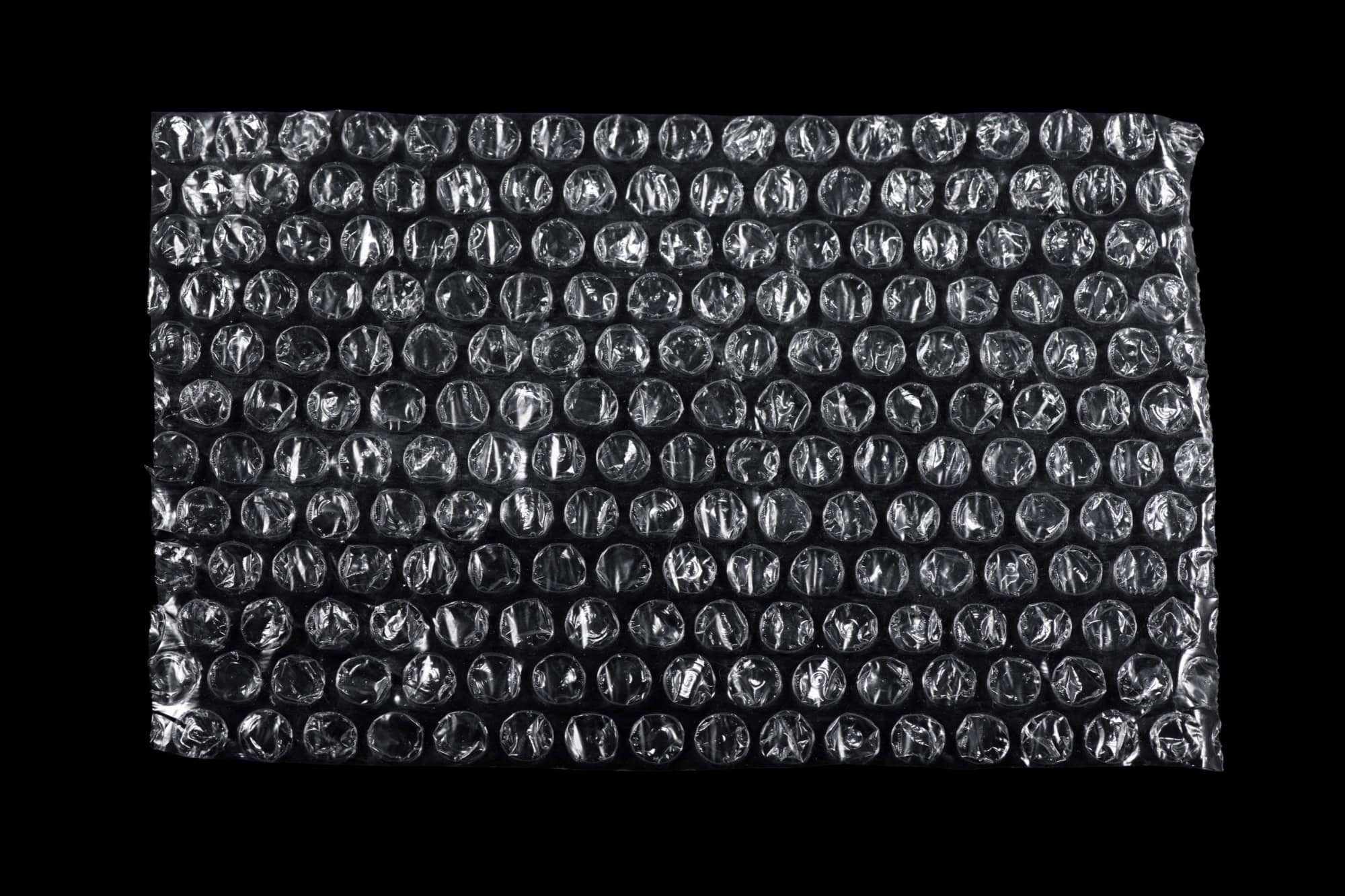
Alfred Fielding & Marc Chavannes were two Hawthorne engineers who thought they were making some interesting wallpaper in 1957. They sealed two sheets of plastic together & trapped the air between them. While the wall idea bombed, someone realized it made great packing material, and “Bubble Wrap” hit the market soon after. It’s still fun to pop.
Teflon discovered at Deepwater, New Jersey lab
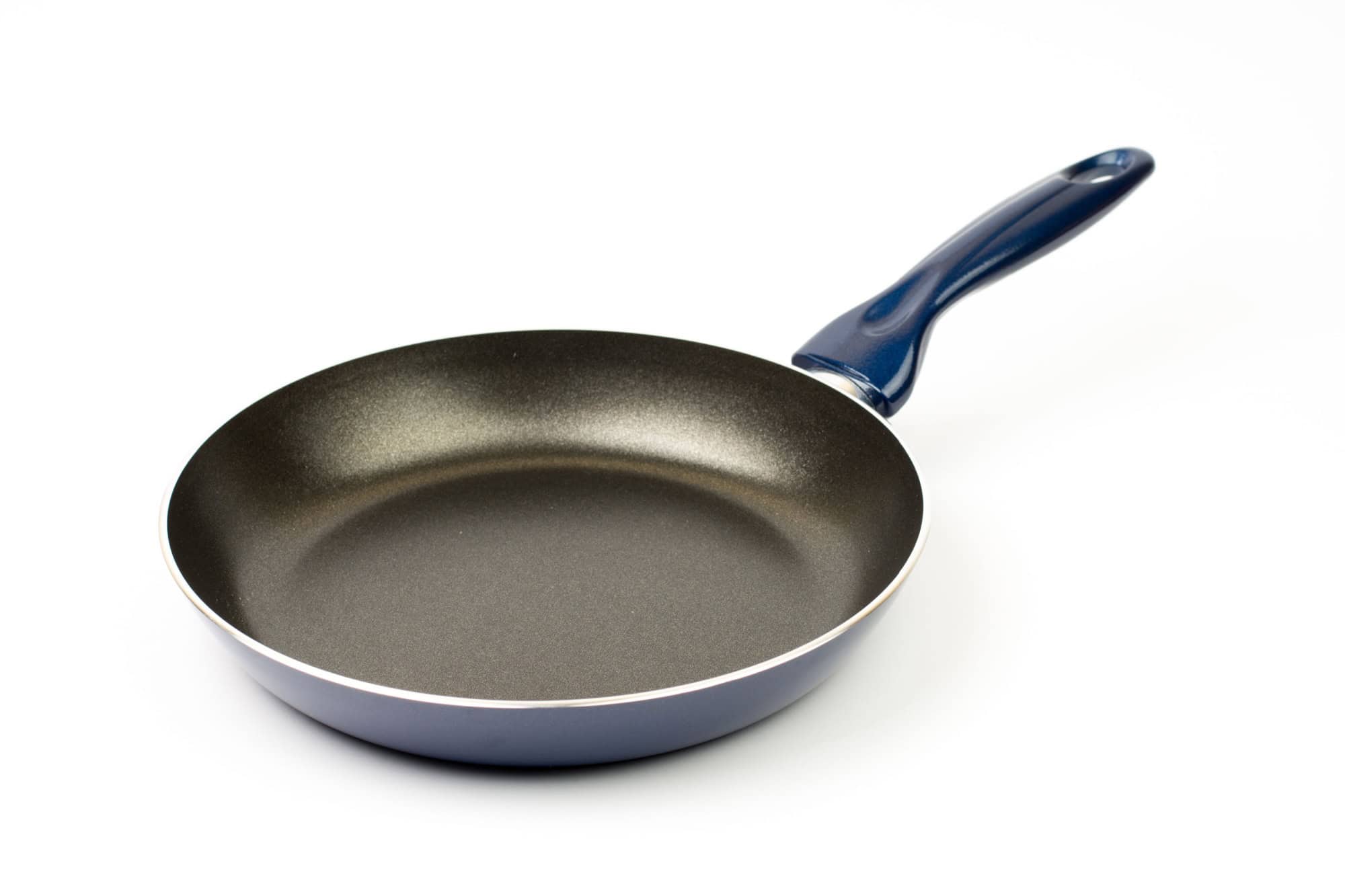
In 1938, chemist Roy Plunkett opened a gas cylinder and expected that the chemical he stored in it would still be there. Instead, it was full of a slippery white powder. It turned out he’d accidentally created PTFE (aka Teflon), and the whole thing happened at DuPont’s site in Deepwater. Who knew such an important invention would happen in this tiny community?
Flying boat breakthroughs in Hammondsport, New York

The calm waters of Keuka Lake are one of the reasons Hammondsport was perfect for testing early seaplanes. Glenn Curtiss worked out of a little workshop there, and by 1912, he had a working “flying boat,” which the Navy soon took an interest in. Those first flights took off from a lakeshore most people only knew for wine.
Implantable pacemaker built in Clarence Center, New York
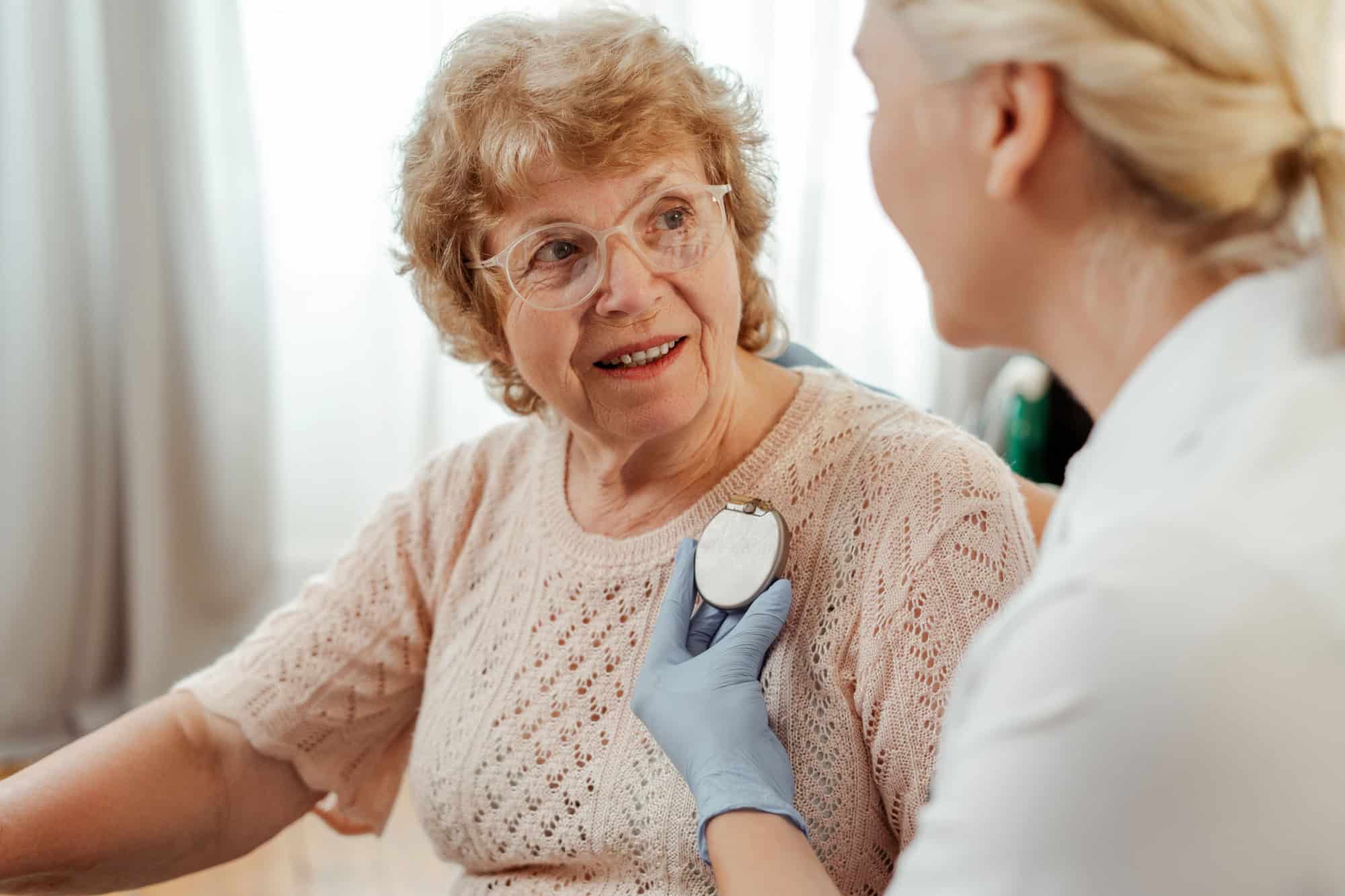
Wilson Greatbatch was tinkering in a barn in Clarence Center in the late 1950s when he accidentally used the wrong resistor in a circuit. But he didn’t throw it away, as he noticed that the circuit pulsed like a heartbeat. That lucky mistake led to the first implantable pacemaker. It was tested on animals in ’58 & used on humans in 1960.
Jell-O trademarked in Le Roy, New York
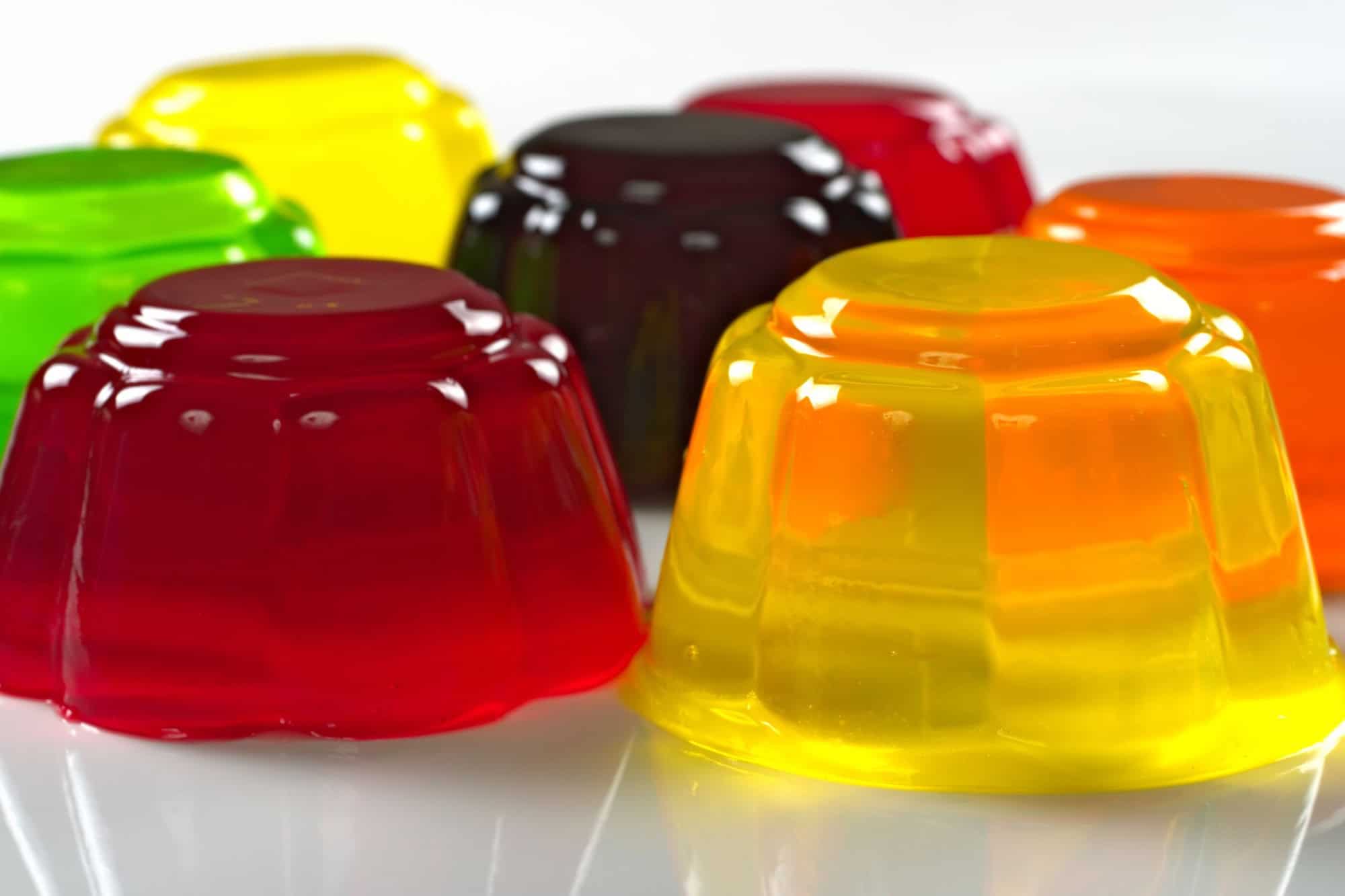
Le Roy, New York, isn’t a big place. However, that’s where carpenter Pearle Wait mixed gelatin, sugar & fruit flavorings in 1897, which he called Jell-O. He sold the rights for $450 to a local businessman, Orator Woodward, two years later. Woodward turned it into a household name. Not bad for a kitchen experiment.
Earmuffs patented in Farmington, Maine

Chester Greenwood came up with the idea of earmuffs when his ears froze while ice skating in 1873. He was only a teenager in Farmington, Maine & asked his grandma to help sew flannel pads to a bit of wire. The next step was to add a springy headband before a patent in 1877. His factory made them for decades & the town still throws a yearly parade in his honor.
Sources: Please see here for a complete listing of all sources that were consulted in the preparation of this article.
Like our content? Be sure to follow us.


