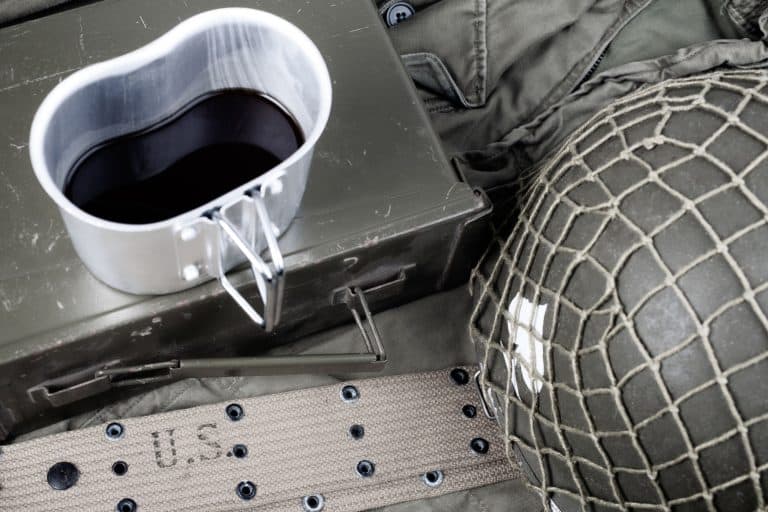

Go into any American household and there’s something in it that wouldn’t exist without war. A lot of the things we use every day were originally designed for soldiers in combat. The military put money and resources into rapidly solving problems, and once the wars were over, those solutions found new purpose in civilian life. Here are 10 surprising American household objects that first came from the armed forces.
Featured Image Credit: Shutterstock.
Instant coffee

Troops in the First World War subsisted on instant coffee. Even though it was not high-quality coffee it helped sustain them during extended cold nights in the trenches. The Army bought so much that factories had trouble keeping up. Brewing a fresh pot wasn’t practical when gas attacks and mud were everywhere, so the powder became a necessity. After the war, the practice continued, and before long, Americans were spooning it into cups at home.
Electric refrigeration

Before, Americans kept their food in iceboxes. When World War I forced the army to ship food overseas, the manufacturers had to accelerate and develop large-scale refrigeration units that would keep food safe during transport. Success with those systems inspired businesses to create smaller domestic models.
WD-40

WD-40 has become an all-purpose home remedy. But it started out as rocket science. The spray was used on Atlas missiles to prevent corrosion on metal parts. WD-40 got its name from the fact that it was the 40th try at the formula. When people found out it worked great around the house, it went from military supply rooms to American garages.
Super glue
One of the 20th century’s stickiest inventions came about during wartime. Researchers were working on gun sights in World War II when they discovered a very strong adhesive. It had no practical application at the time, but the military used it later to patch up wounds in the field. The civilian world adopted it as Super Glue, holding toys and plates together.
Aviator sunglasses
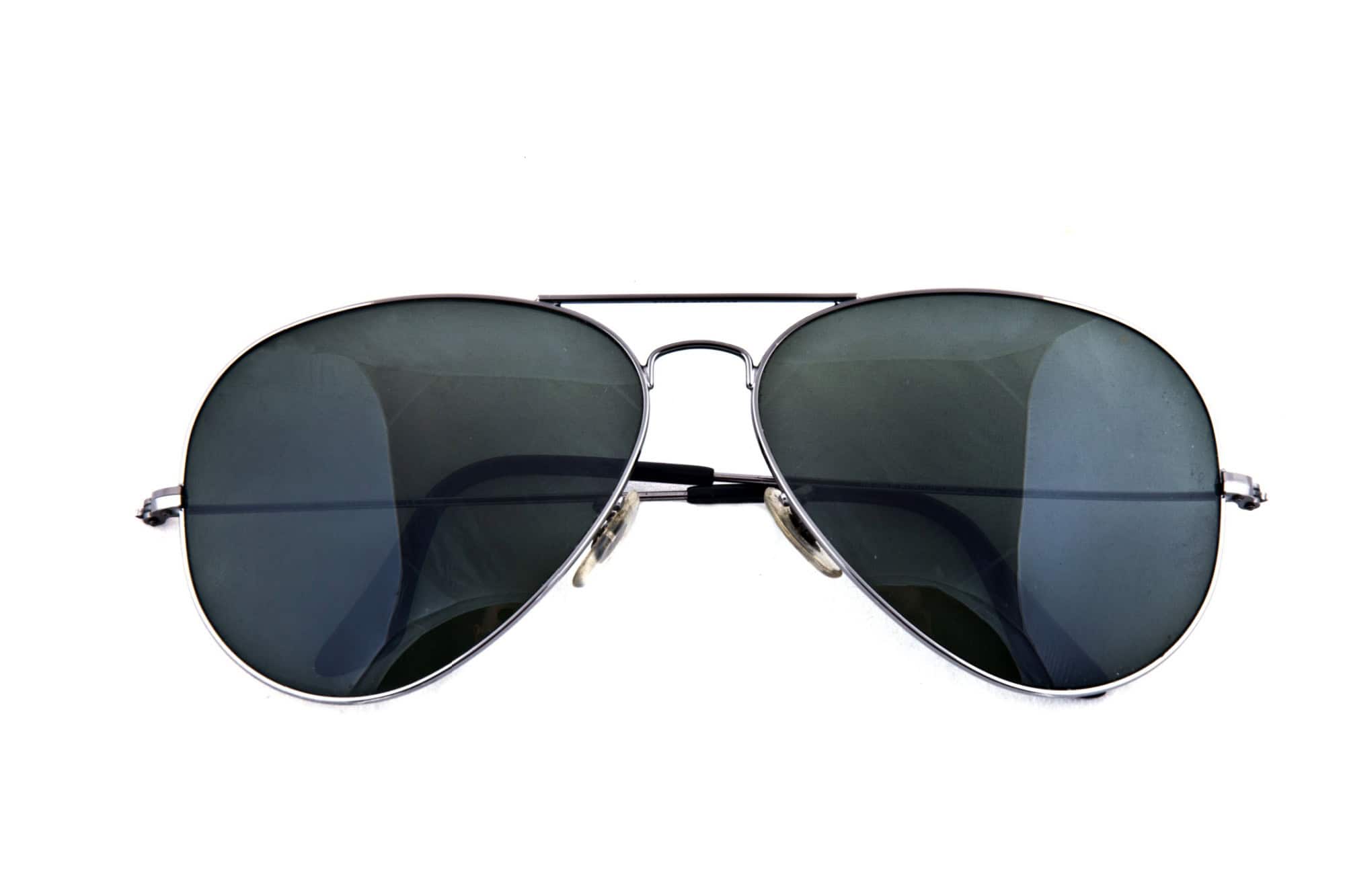
The iconic aviator shape was also born from military needs. The U.S. Army Air Corps needed to protect pilots, so engineers developed sunglasses that reduced glare without weighing pilots down. The shades were worn by pilots during the air battles of WWII. Civilians picked up on the look, transforming a tool of war into an enduring fashion statement.
Disposable sanitary pads
Occasionally, innovation is driven by need. For instance, nurses during World War I found the absorbent surgical dressing Cellucotton also helped with a personal issue. Kimberly-Clark commercialized their idea into Kotex, the first sanitary pad for mass-market consumption. Stockpiles intended for the war effort later revolutionized women’s lives at home.
Frozen juice concentrate
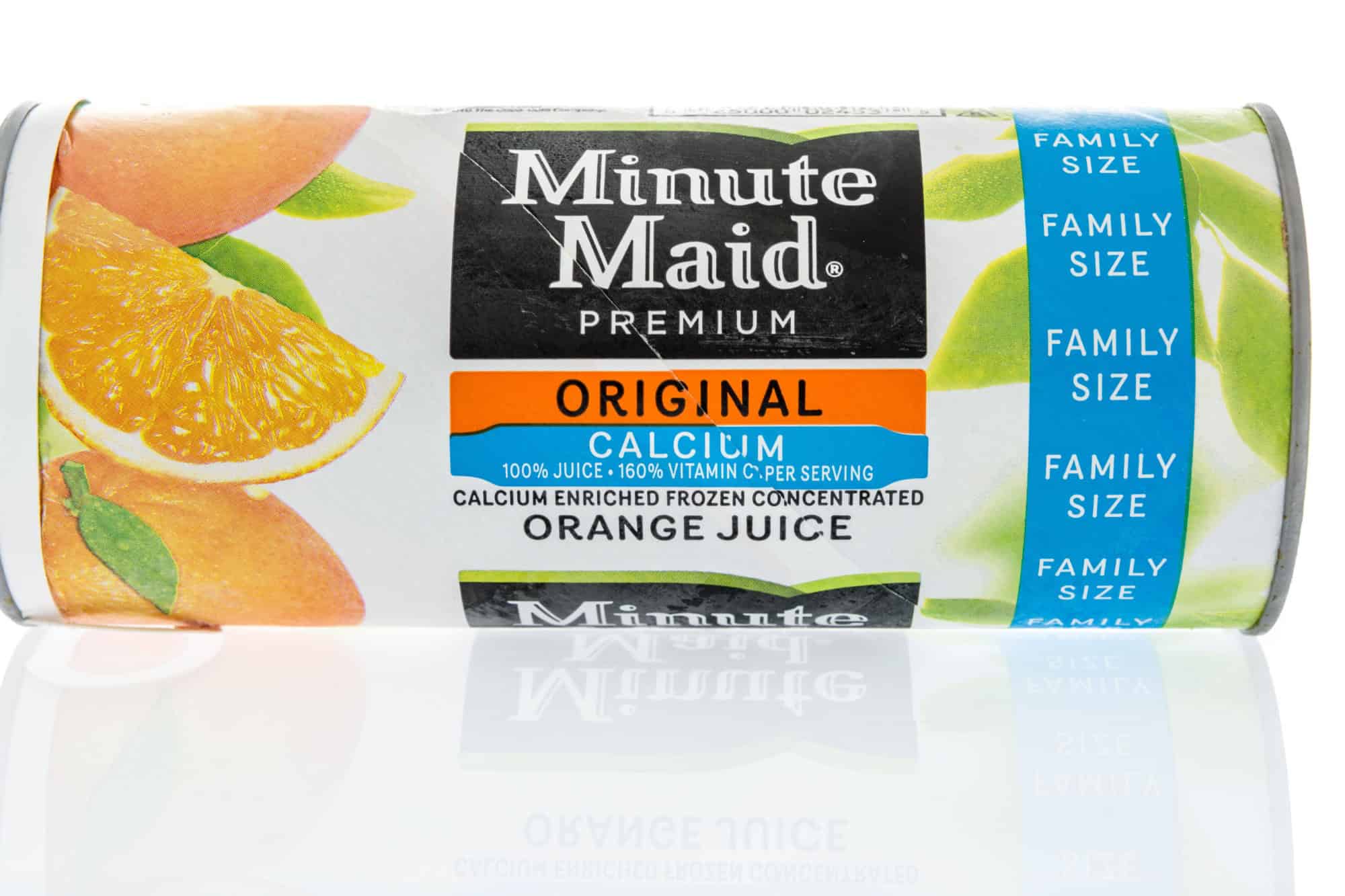
Frozen orange juice concentrate did not start in a supermarket freezer. It was developed for World War II when the military was in need of a portable source of vitamin C. When it was perfected, the concentrate was just right for GIs overseas. After the war, Minute Maid and others introduced it to families and it was soon on the morning table.
Auto-injectors (EpiPen)

In the Cold War, soldiers needed a way to inject themselves with an antidote if they were attacked with nerve gas. Waiting for a medic could be deadly. Engineers designed spring-loaded injectors that would fire the medicine into the bloodstream in seconds. The same design was later adapted for epinephrine, and it’s now carried by people with life-threatening allergies.
Jerrycans

The jerrycan was not an American invention, but US forces quickly adopted it during World War II. Originally designed in Germany, its rugged construction and three-handle design made the fuel container easy to carry and pour. Post-war civilian markets adopted this design which became the typical choice for garage and campground gasoline cans.
Teflon (nonstick pans)
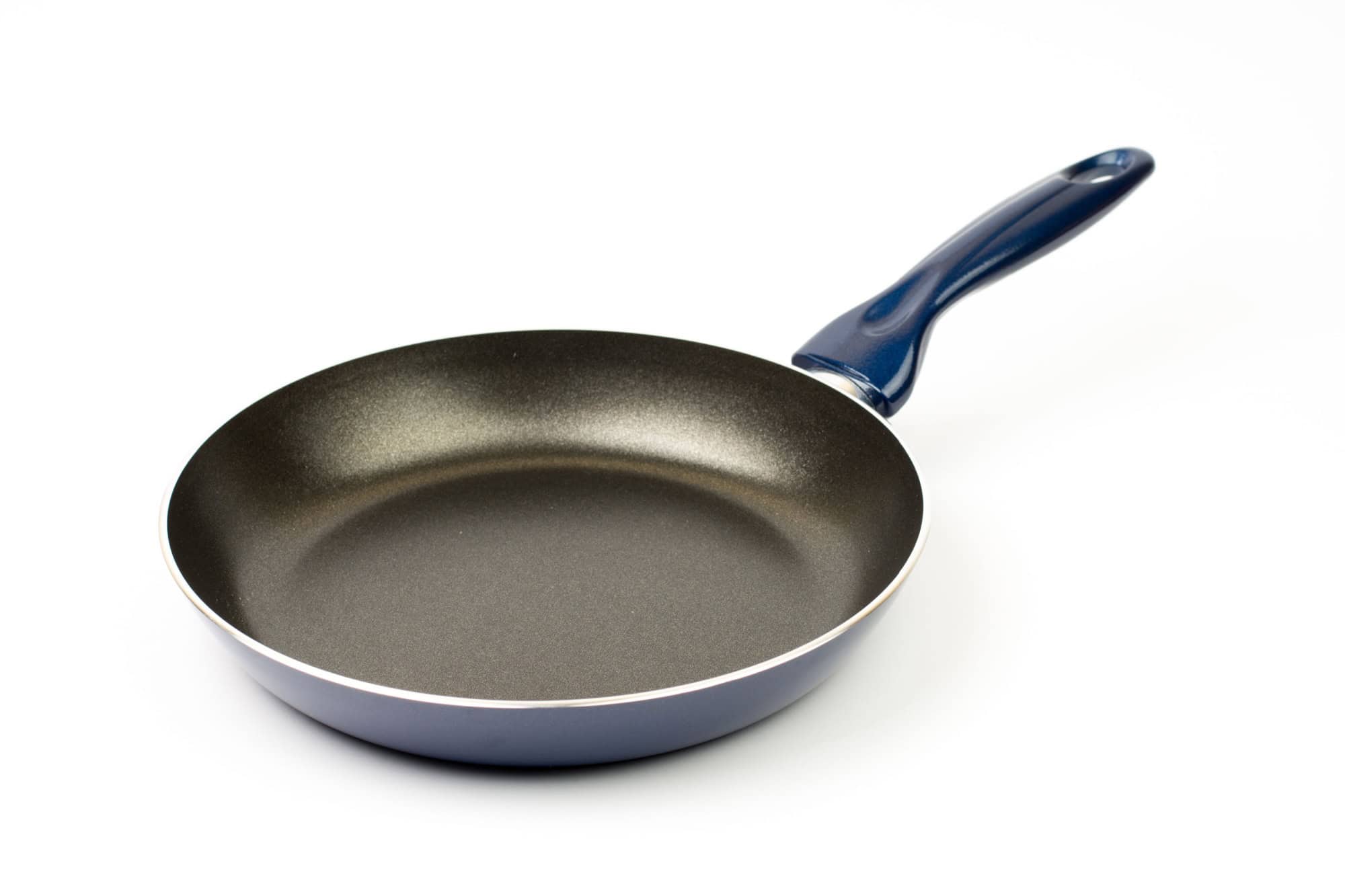
Your nonstick pan is a product of war. Teflon was invented before World War II, but the military had more important applications in mind: its first use was on nuclear weapons programs, so that nothing would stick to them. Only then did manufacturers understand that this also meant no problem flipping pancakes.
Sources: Please see here for a complete listing of all sources that were consulted in the preparation of this article.
Like our content? Be sure to follow us.