

Some famous people left behind portraits, others left behind biographies, and a few of them left literal pieces of themselves behind that you can actually see yourself.
Mother Teresa’s hair
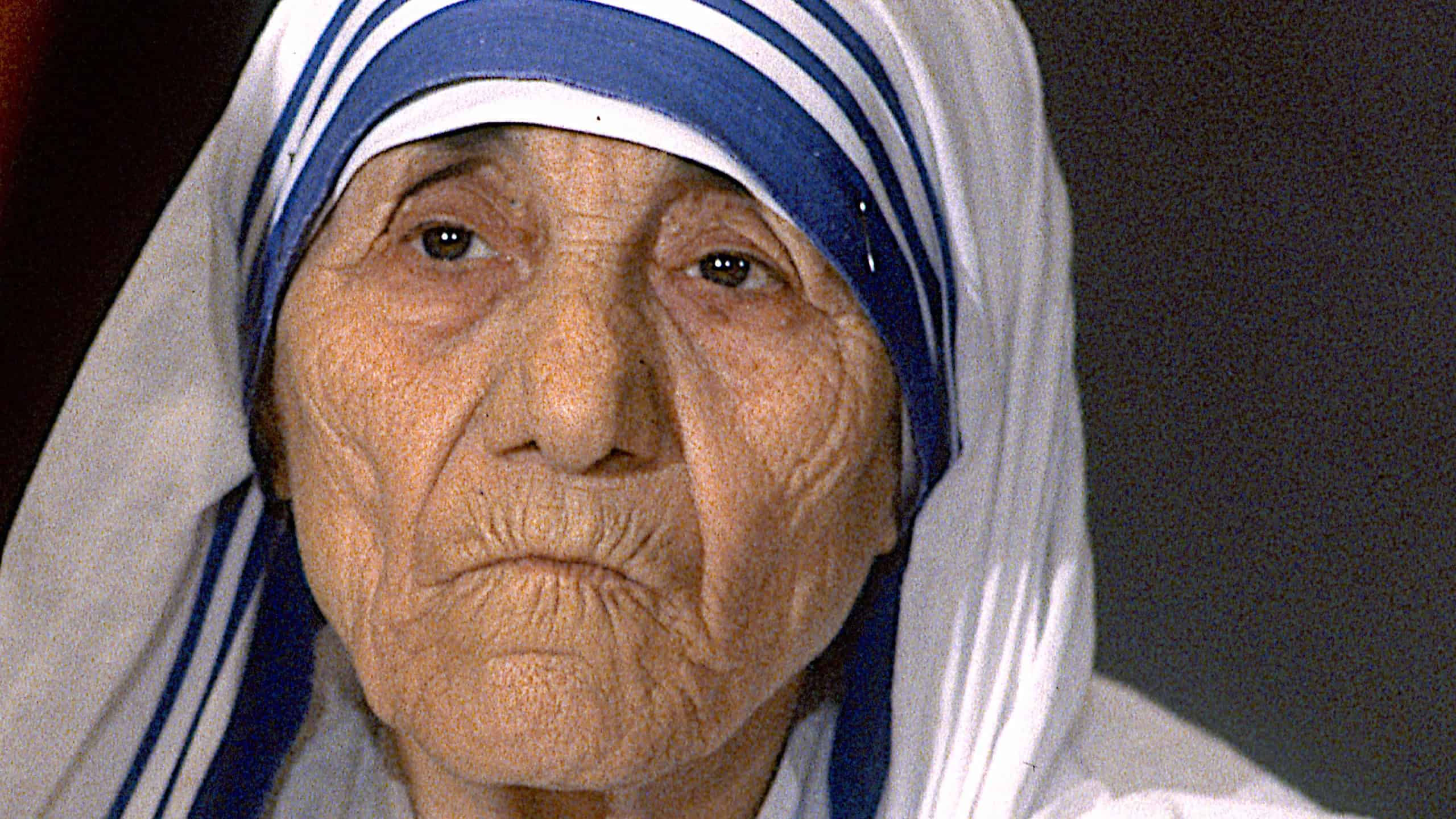
Mother Teresa’s hair was preserved for one reason, and one reason only. It’s a religious relic. The Catholic Church classed a strand of her hair as a first-class relic because it came directly from her body, and it was installed for the public to see at the Shrine of St. Teresa of Calcutta at the Divine Retreat Centre.
That’s all the way in Australia in Somersby, New South Wales. It’s not exactly an easy trip. But compared with a preserved brain or damaged spine, it’s definitely a lot less disgusting.
Albert Einstein’s brain
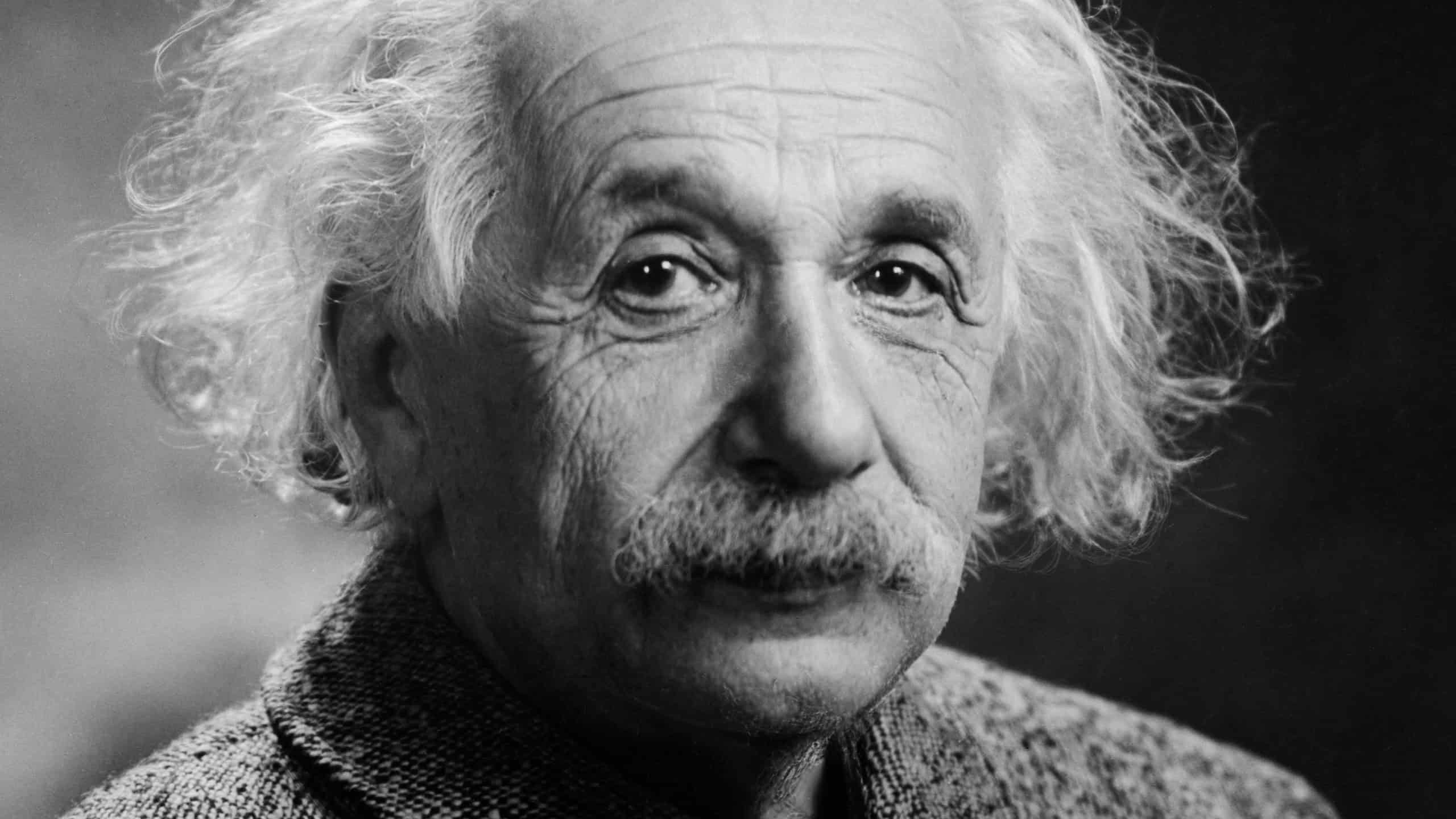
The Genius Albert Einstein died in 1955. But part of his brain actually stuck around for a lot longer than anyone could expect. Thomas Harvey, a pathologist, removed part of Einstein’s brain during the autopsy, and he divided it into blocks.
He later had sections of it mounted onto microscope slides. Fast forward to 2011, and neuropathologist Lucy Rorke-Adams gave 46 of those slides to Philadelphia’s Mütter Museum. You can see them for yourself, although be warned that they’re incredibly thin slices. It’s not a whole brain sitting in a jar or anything.
Chang and Eng Bunker’s conjoined livers
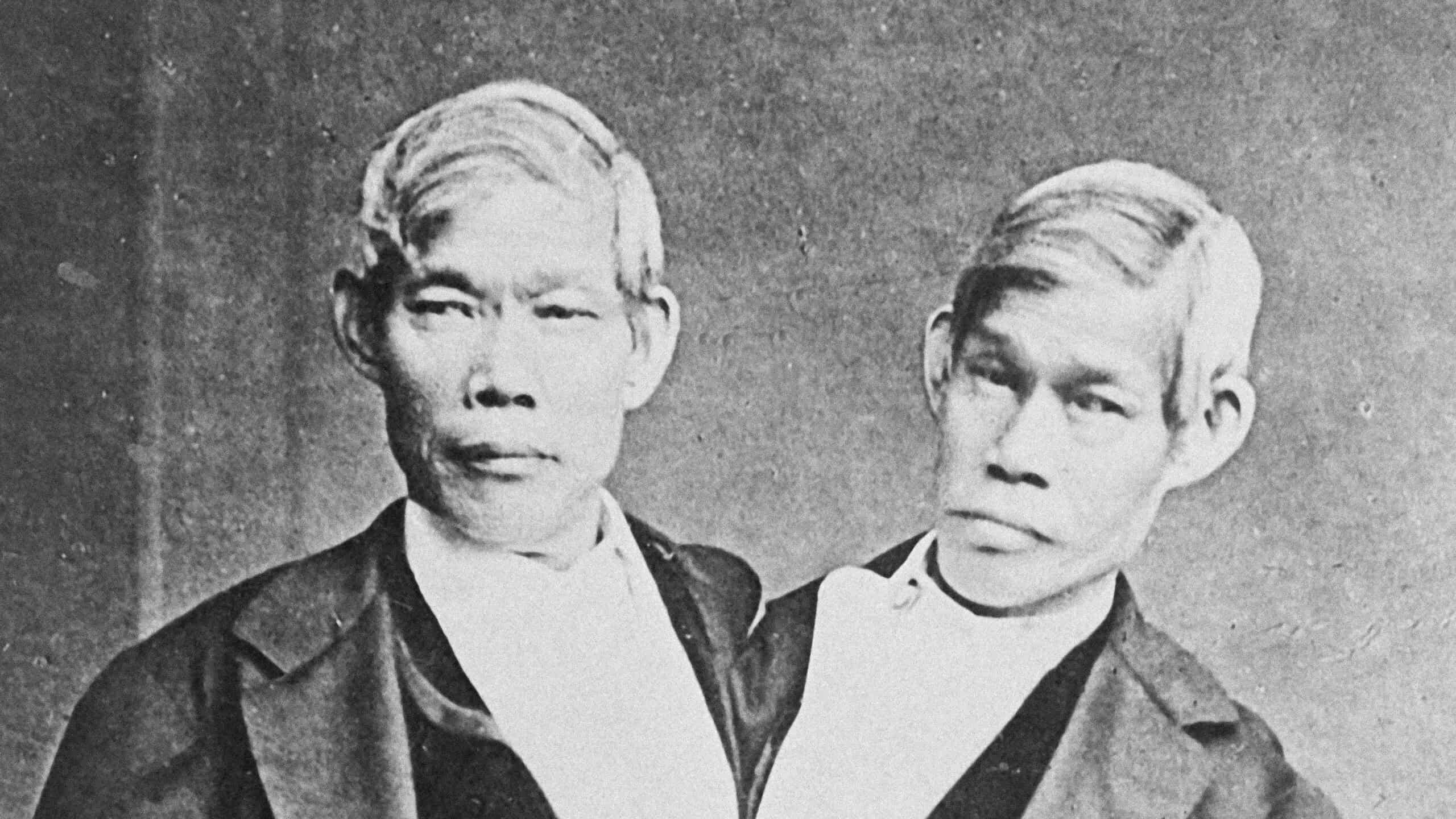
Chang and Eng Bunker were two famous conjoined twins who died just hours apart from each other in North Carolina in January 1874. Doctors brought their bodies to Philadelphia for an autopsy soon after. They wanted to figure out how the pair was connected.
The answer included their livers, which were joined by a narrow band of tissue, and that connected organ was preserved. The joined livers are on display at the Mütter Museum beneath a plaster cast made from the brothers’ bodies. It’s pretty gruesome, in all honesty.
Phineas Gage’s skull
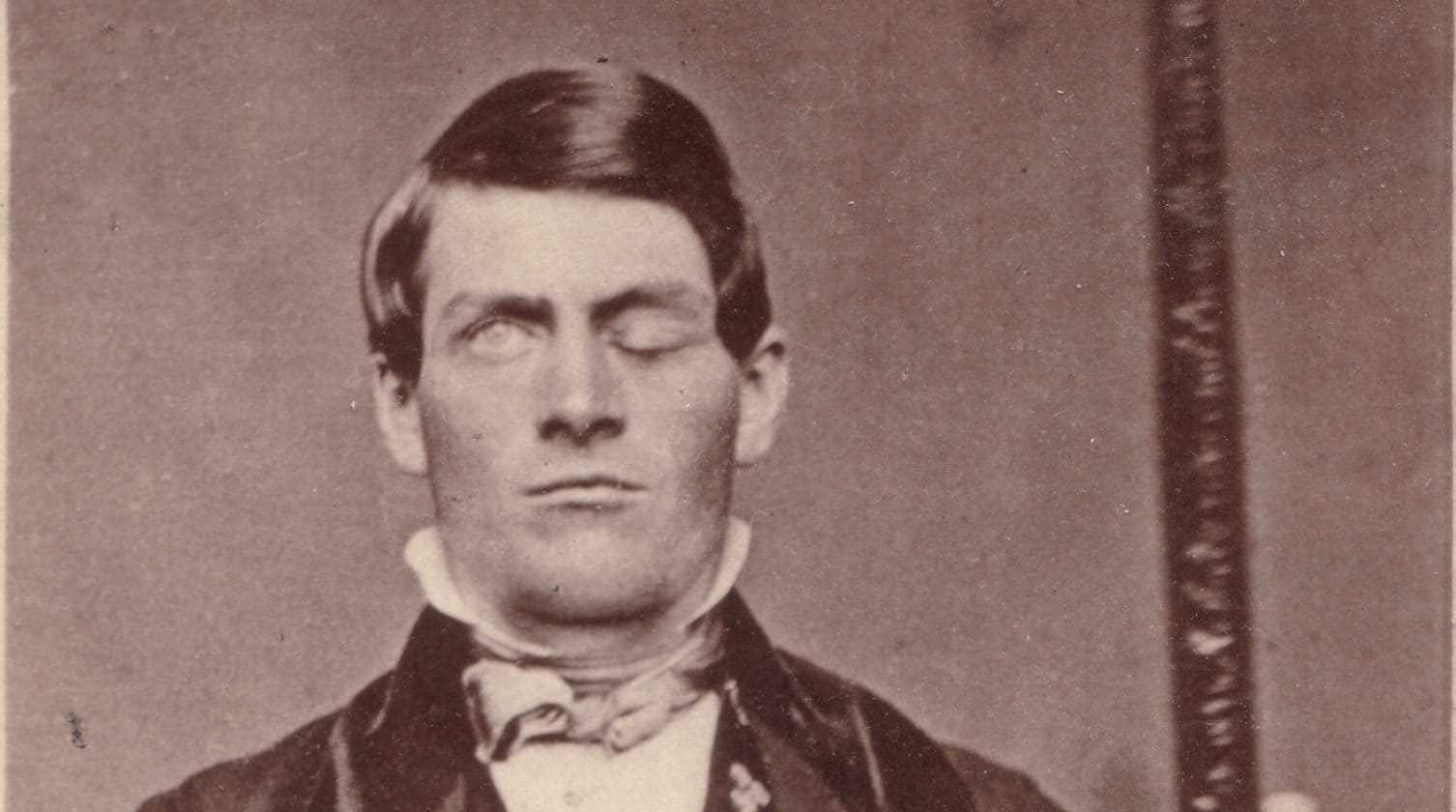
Phineas Gage had some incredible luck. He somehow survived an 1848 accident that involved an iron rod being blasted through his head, so doctors were quite interested in his skull. Gage died in 1860 and was buried normally.
But seven years later, his body was exhumed, and the skull was recovered along with the iron tamping bar from the accident. His doctor, John Martyn Harlow, donated both of these to Harvard. You can see Gage’s skull, including the areas the rod damaged, in the Warren Anatomical Museum collection in Boston.
Charles Babbage’s brain
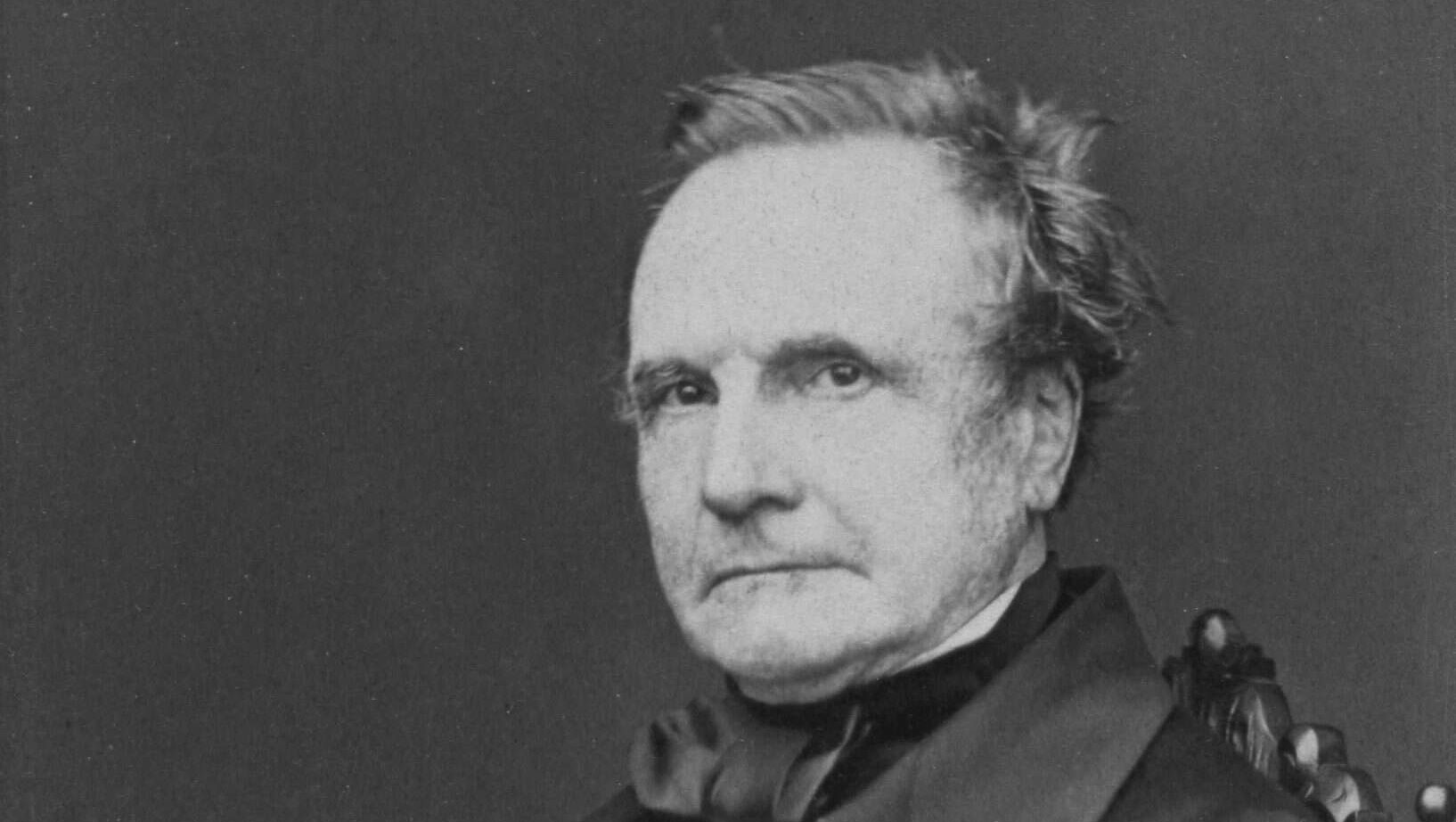
It’s no wonder that people were interested in Charles Babbage’s brain. He was the man who helped design early mechanical computers, after all, and his brain was preserved after his death in 1871. It was divided up, with part of it going to the Science Museum, and part of it going to the Hunterian Museum.
Both of these are in London, England. Scientists at the time were weirdly interested in studying the brains of famous intellectuals because they wanted to see how they worked. The Science Museum has its part of Babbage’s brain in a glass container.
Galileo’s middle finger

The story of Galileo’s middle finger is an unusual one. He’d been dead for almost a century before anyone decided to remove his finger. His remains were being transferred in 1737 to a grander tomb in Florence when scholar Anton Francesco Gori decided to snatch Galileo’s middle finger from his right hand.
The finger actually passed through several collections afterward, including Florence’s Biblioteca Laurenziana. It eventually reached the city’s science museum and is currently on display at Museo Galileo. It sure is a weird choice of body part.
Major General Daniel Sickles’ leg
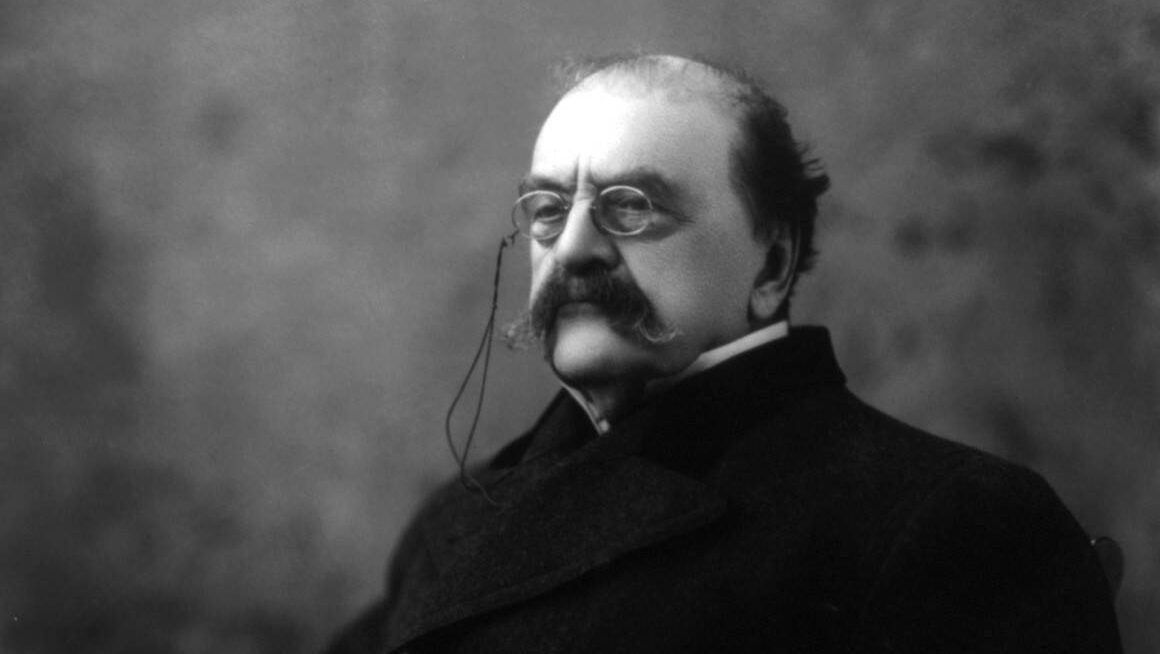
Major General Daniel Sickles fought at the Battle of Gettysburg on July 2, 1863, and lost his right leg to a cannonball. Surgeons ended up amputating above the knee. But rather than throwing away the removed bones, Sickles had them sent to the recently created Army Medical Museum.
Museum staff wired the shattered tibia and fibula back into position. It gets even weirder, though, as Sickles actually visited his own leg bones later. Yes, really. They’re still on display at the National Museum of Health and Medicine in Maryland.
President Grover Cleveland’s tumor
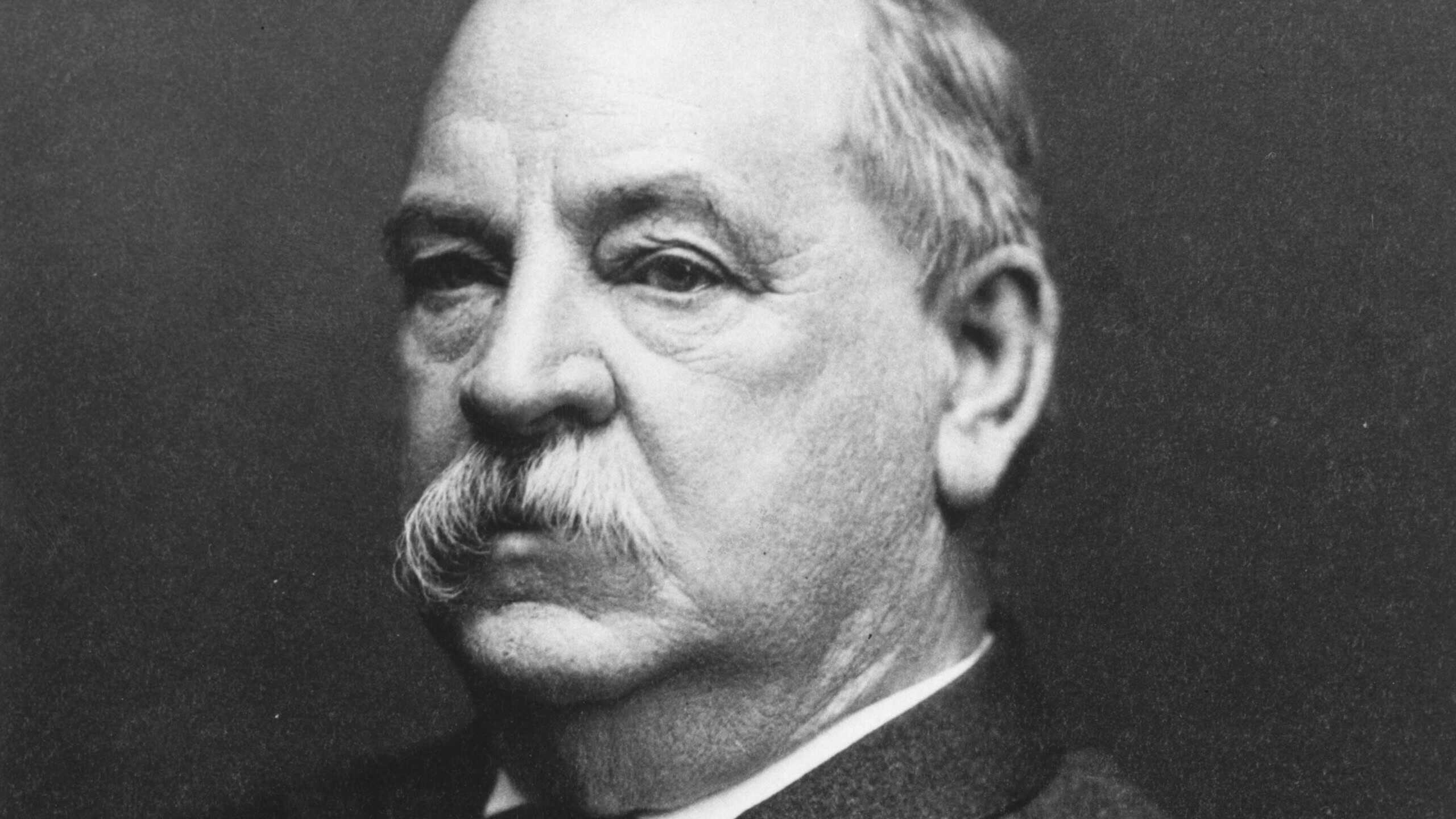
President Grover Cleveland secretly underwent surgery aboard a yacht named the Oneida on July 1, 1893. Surgeon Joseph Decatur Bryant removed a tumor, five teeth, and part of Cleveland’s upper jaw through his mouth so there wouldn’t be an obvious facial scar.
They didn’t want the public to know he was sick. A portion of the tumor was preserved afterward for some strange reason, and the specimen later reached Philadelphia’s Mütter Museum. You’re able to see the growth that Cleveland’s team worked so hard to keep quiet.
President James Garfield’s vertebrae
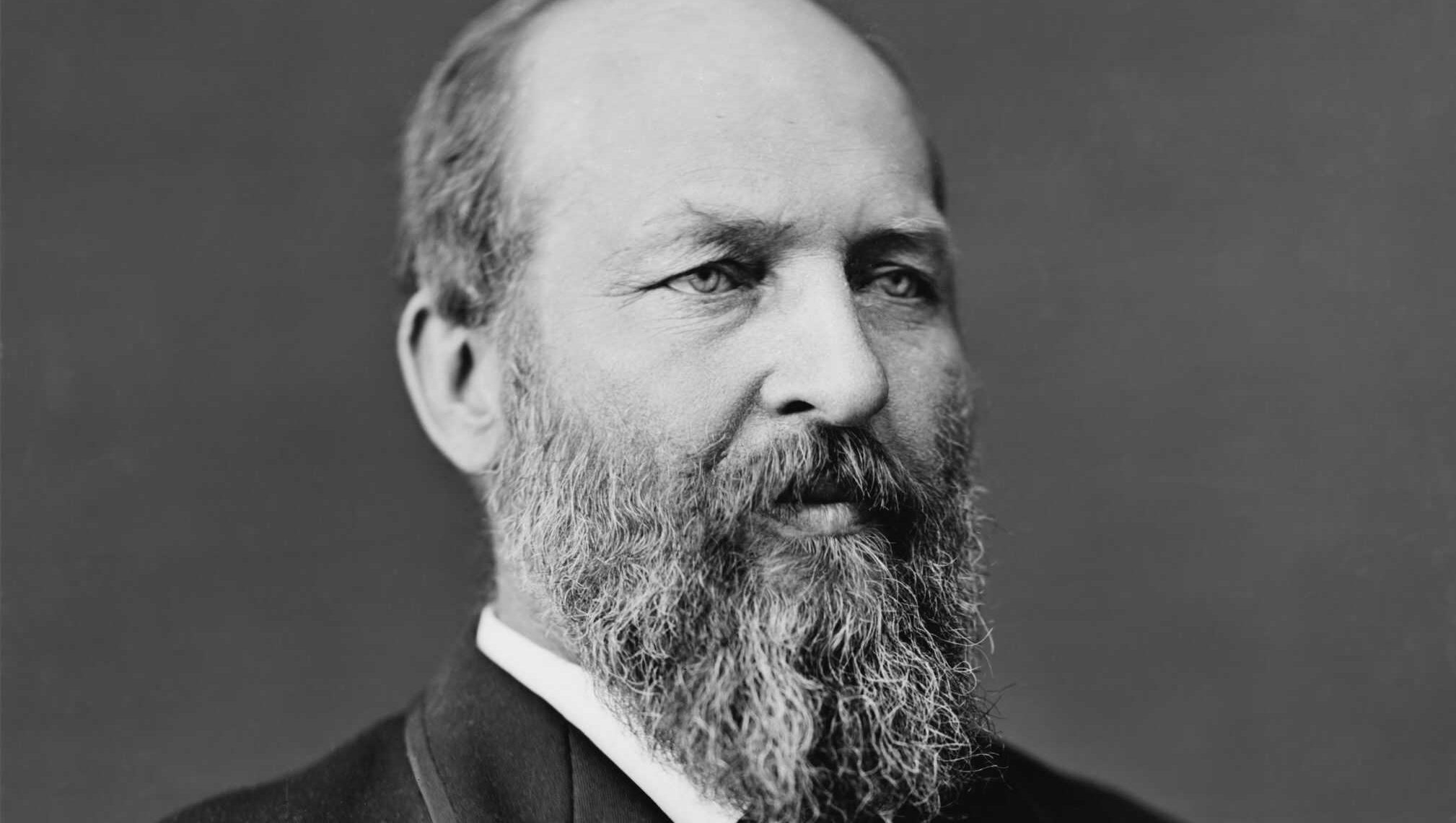
That’s not all for presidents. President James Garfield was shot on July 2, 1881, although he didn’t die straight away. He hung on until September 19, and an autopsy followed the next day. Pathologist Daniel S. Lamb removed part of Garfield’s spine for the Army Medical Museum.
Officials later put a small rod through the spine to trace the bullet’s route. Kind of disgusting, really. The bones are now kept at the National Museum of Health and Medicine.
Charles Guiteau’s brain
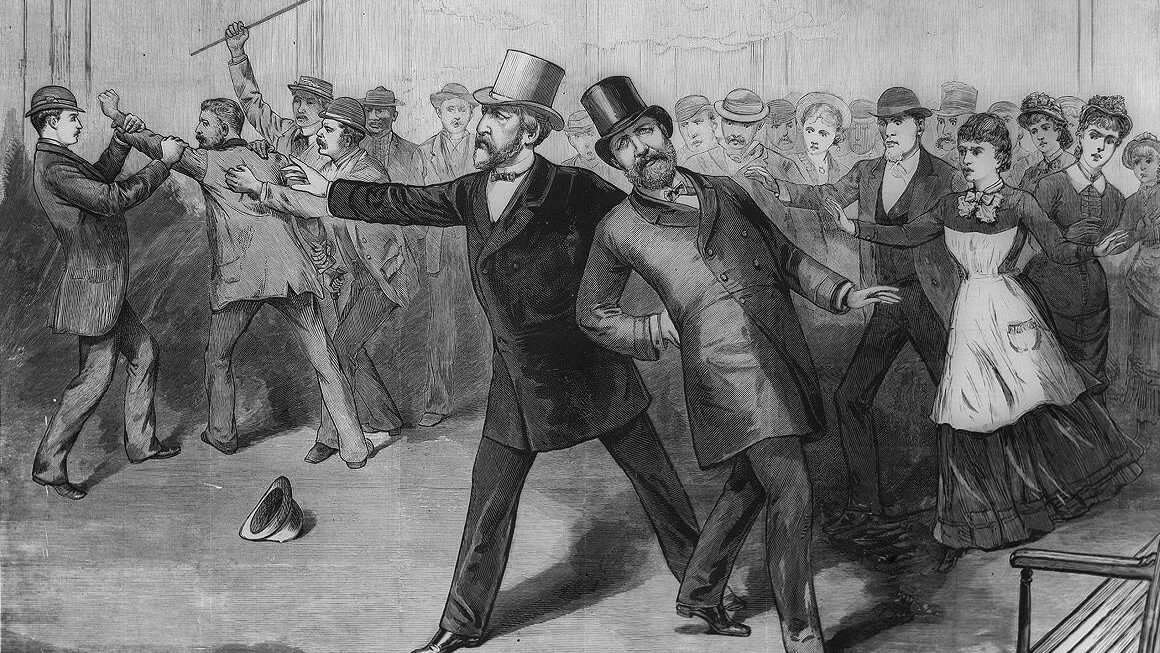
Garfield’s killer, Charles Guiteau, wasn’t spared either. Doctors carried out his autopsy around 90 minutes after he was hanged in 1882, and they were especially interested in his brain. They wanted to know more about his mental state.
Doctors held onto several pieces after the examination, and some of those sections eventually made their way to Philadelphia’s Mütter Museum. They’re in a jar filled with roughly 70 percent alcohol and 30 percent water.
Sources: Please see here for a complete listing of all sources that were consulted in the preparation of this article.
13 historical artifacts hidden in plain sight
These incredible historical artifacts survived for centuries only to become part of the everyday world around them.

