
Tourists love taking pictures, but there are some places that insist you keep your camera in your pocket. There’s a good reason for these no-photo edicts: fragile paintings, religious relics, and hundreds of years of tradition just aren’t something you can blithely ignore.
Sure, the rule can rub you the wrong way at first, but think about it: you can always go home and look at your pictures, but you can only see that one-of-a-kind treasure [there is only one Mona Lisa] once. Here are ten of the top no-photo attractions.
Featured Image Credit: Shutterstock.
The Jewel House, Tower of London

If you want to see the Crown Jewels, you head to the Tower of London. Inside the Tower of London, the Crown Jewels are kept under close guard. You can shuffle past them in a long line with other visitors. Cameras stay safely stowed in bags, though. The ban is both for security reasons (obviously, these are objects of power and royalty) and to keep the high-security space free from a confusing sea of flashes.
Lenin’s Mausoleum, Moscow

The embalmed body of Vladimir Lenin is on public display in Moscow’s Red Square. Photographs are not permitted; if a guard spots someone raising a camera or a smartphone, they come rushing over. The ban is partly a mark of respect and partly to preserve the tomb’s solemnity. The experience of being in Lenin’s Mausoleum is one of frozen time. Even whispering is frowned upon.
The Sistine Chapel, Vatican City

Few places spark the urge to photograph like the Sistine Chapel, but the rule there is absolute: no cameras. The reason dates back to the restoration work of the 1980s, funded by a Japanese corporation in return for exclusive photo rights. Though the legal claim has since lapsed, the Vatican chose to keep the restriction. The result is an undisturbed space where eyes, not screens, take in the brilliance of Michelangelo’s ceiling.
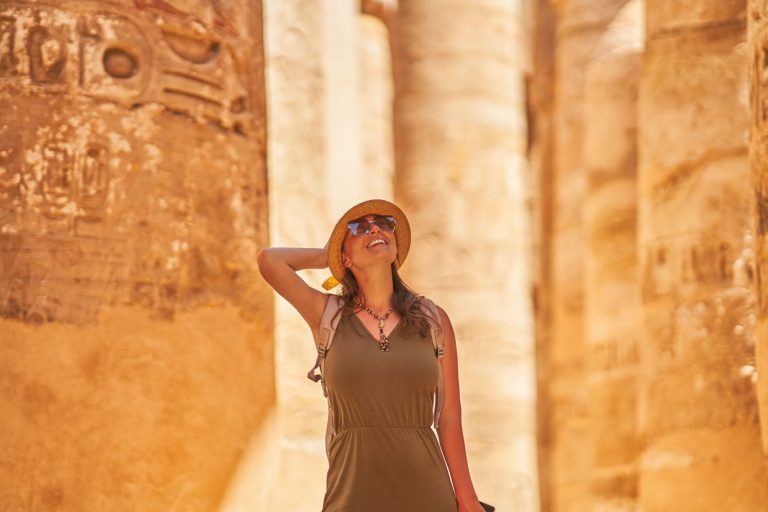
The Valley of the Kings, Egypt

In Luxor, some of the rock-carved tombs of antiquity forbid photography outright. It’s not just for superstition’s sake. Light from flashes can accelerate the fading of pigments on ancient thousand-year-old walls. Guides remind tourists ahead of time about the rule and the vulnerability of the art.
Uluru’s Sacred Caves, Australia

Tourists can take in panoramic shots of Uluru all day long. In and around the base are various caves where photography is banned. Sacred to the Anangu tribe, these sites are simply not to be filmed. Signs tell tourists why snapping a photo there is not allowed out of respect for the cultural significance. It’s just one of those places where you don’t look with a lens.
Mezhyhirya Residence, Ukraine

Mezhyhirya Residence chronicles the arc of power and hubris. Viktor Yanukovych lived on the property before his ouster over corruption. The sprawling estate has since become a public draw. Visitors are free to roam the grounds, but can’t take photos of the interiors.
The Archaeological Museum of Delphi, Greece

While cameras are not always banned in this museum, which is full of relics from the sanctuary of Apollo, some areas like around the statue of the Charioteer of Delphi have signs that forbid taking photos. The rules are there for the art and the other visitors so you don’t end up elbowing people while standing in one spot holding your phone up.
Taktsang Monastery, Bhutan

The Tiger’s Nest is Bhutan’s most recognizable landmark, a monastery that’s been built into the side of a mountain. There are plenty of pictures of the outside, but once you go inside, it’s strictly no cameras. The interiors feature religious relics and murals, which are considered too sacred to casually photograph. You’re meant to take in the atmosphere and presence in silence.
Potala Palace, Tibet

As you climb the steps of the Potala Palace, you can gaze up at the majesty, but once inside, no photos are allowed. The rooms Dalai Lamas used during different times now house collections of ancient scrolls alongside murals and sacred relics. The officials there are worried that if visitors start to crowd the rooms with their flashes and cursory glances, the pieces would be at risk.
Amber Room, Catherine Palace, Russia

The Amber Room inside Catherine Palace has been rebuilt to match the legendary original, but visitors won’t find cameras snapping there. Photography is banned to shield the fragile amber panels, which can react badly to heat and light. Guards watch closely to make sure the rule is respected.
Like our content? Be sure to follow us.


