
Many items become clutter in your attic, closet or garage because someone once decided that it might be worth money someday. We often store items away with the intention of checking them out later but this strategy sometimes works and other times the value depends on timing, condition, and market demand. These are ten things that people commonly stockpile for resale value, and all have actual collector interest.
Vintage cereal boxes
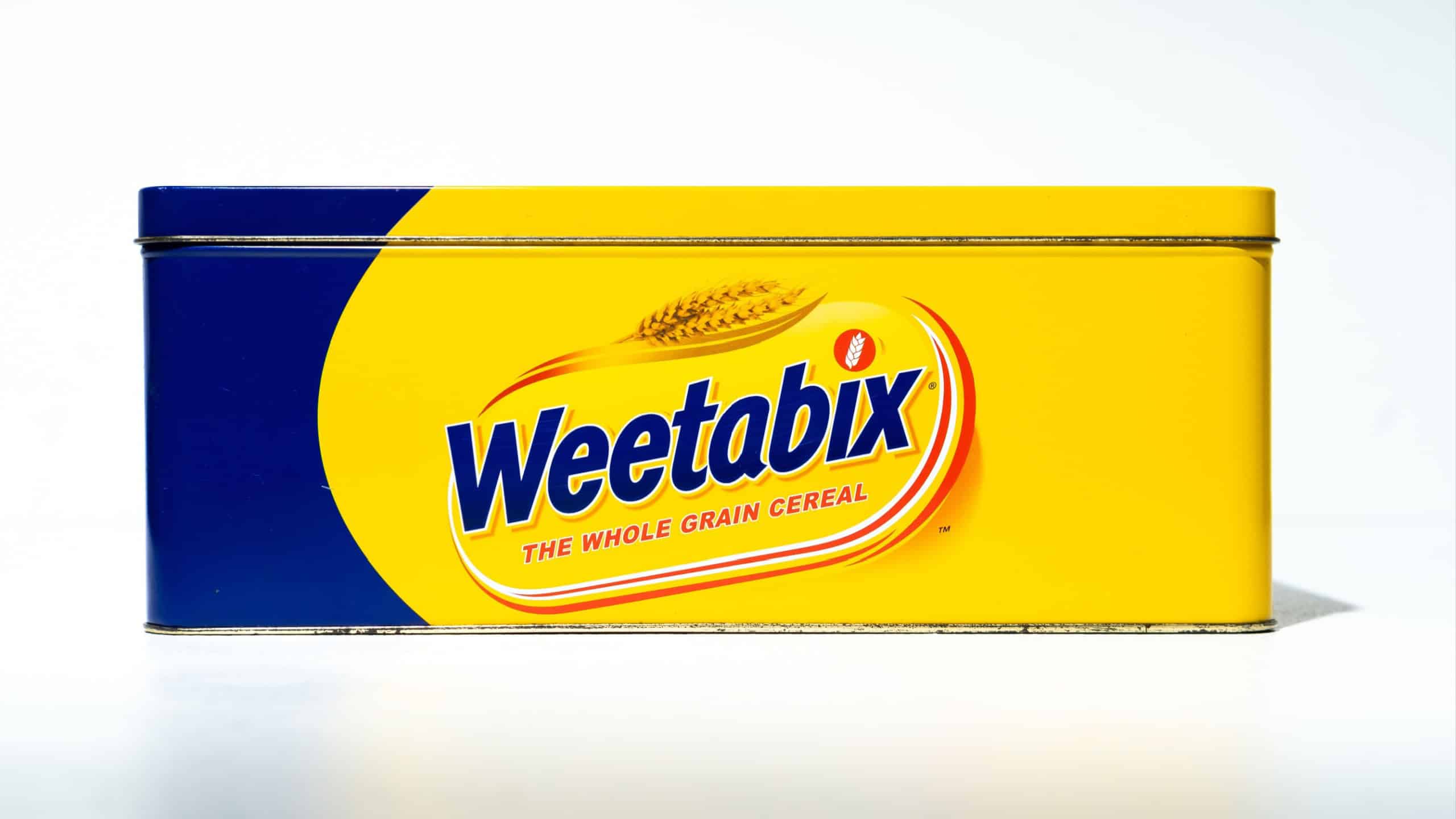
Vintage cereal boxes are proving to be much more valuable than many would have thought. Boxes that feature movie tie-ins or popular characters have gotten the most interest. Condition is very important to collectors. Boxes from the ’60s through the ’90s that weren’t crushed or faded are the most desirable. Many of the pop-culture boxes are selling for shockingly high prices online.
Original VHS tapes still sealed
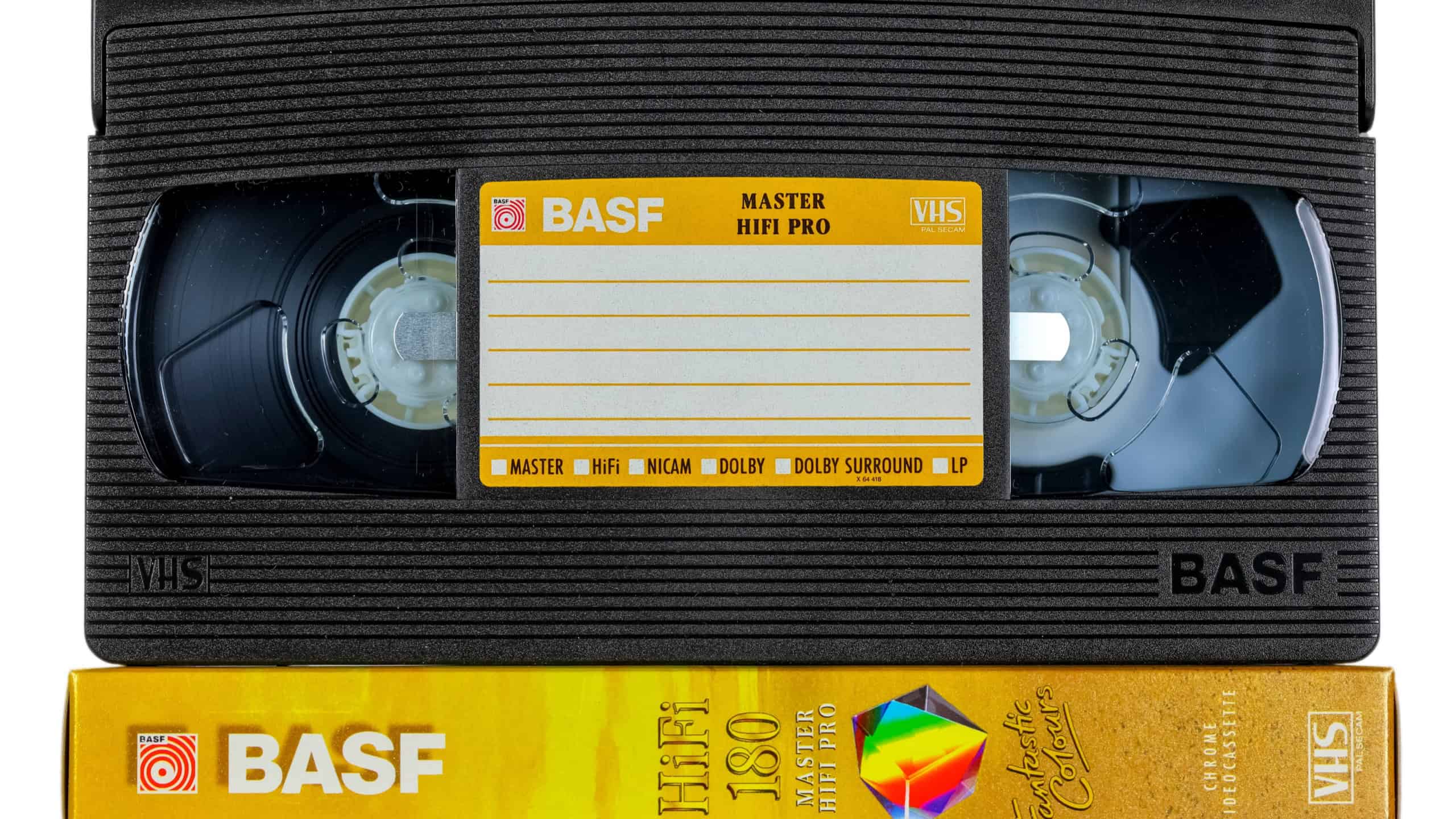
Sealed VHS tapes from the ’80s and ’90s are beginning to sell for real money. Disney classics are getting serious bids as are certain cult horror films. Collectors will show interest in the tape exclusively if it remains unopened. Prices for some copies have gone into the thousands, but only in rare and ultra condition specific cases. It is still a small niche, but nostalgia and film collectors are taking notice.
First‑edition books in obscure genres

Most think of popular novels when they think “first edition,” but hoarding can happen with genre books too. The first printings of horror, mystery or sci-fi often gather dust on shelves for years before anyone cares. Interest will spike from time to time and collectors will begin to take notice. Whether it’s valuable or not will usually come down to condition and exact printing.
Vintage luncheon collectibles
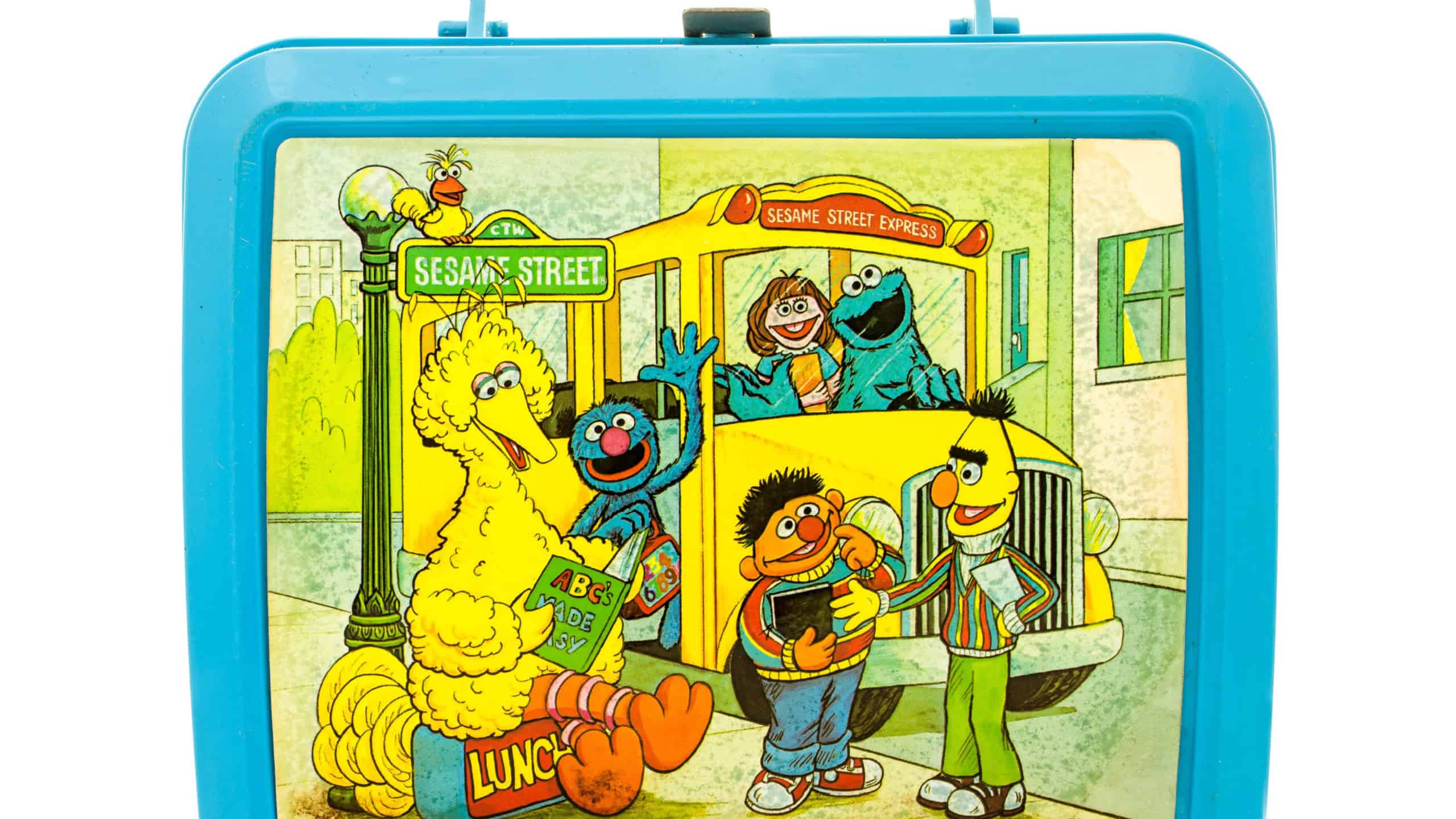
Collectors now show serious interest in vintage lunch boxes that have survived in excellent condition. They are willing to pay hundreds to thousands of dollars for boxes from the 1950s to 1980s that feature hard-to-find licensed designs which children typically did not maintain well. Lunch boxes in great condition remain rare because most of them got damaged or got thrown away.
Mid‑century furniture pieces
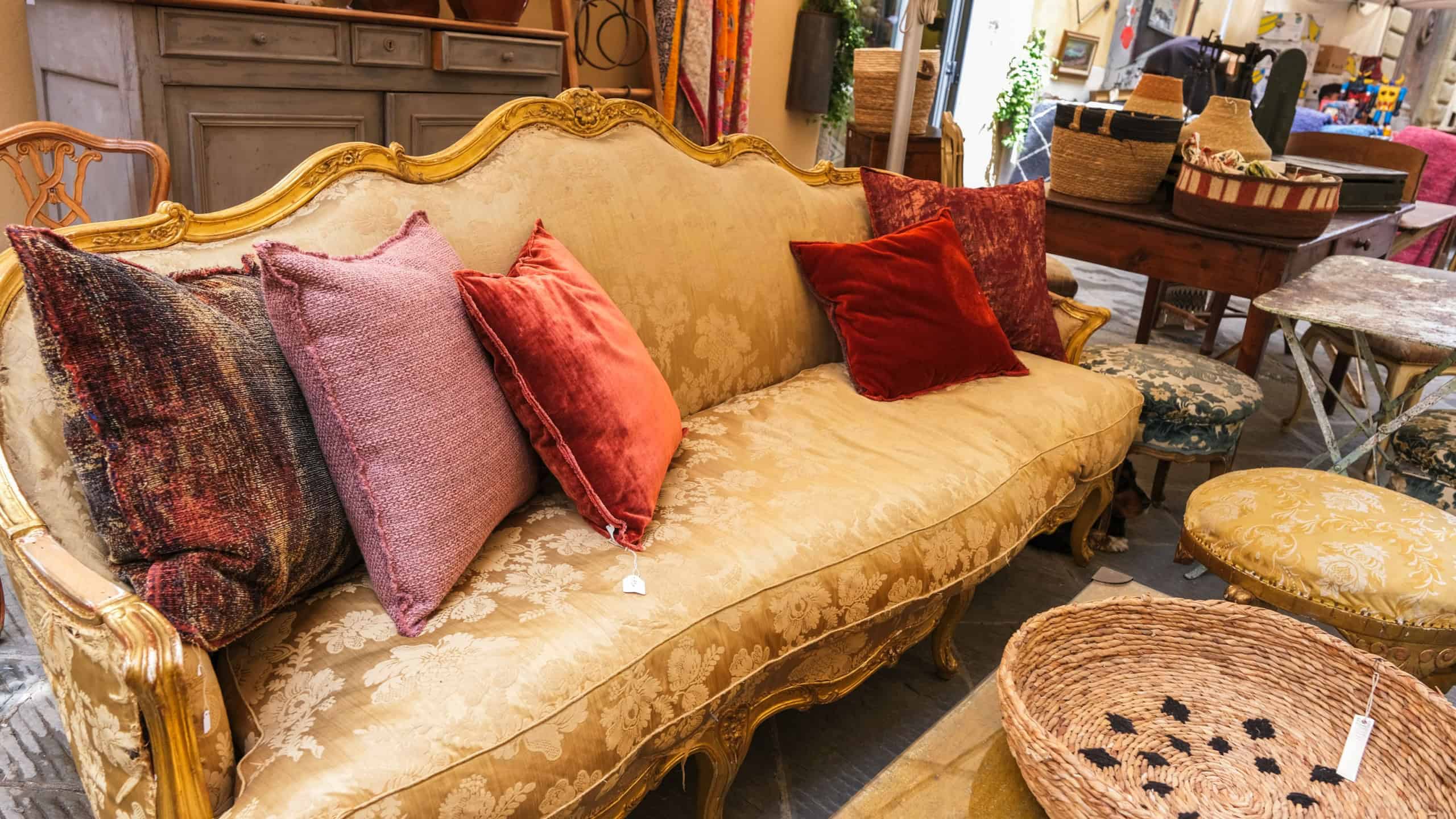
Mid-century furniture pieces weren’t designed to be collectibles back then, they were simply used. Now, certain chairs, tables, and cabinets are collectible like stocks and bonds. If a piece is genuine and has not been over-restored, it can be worth many times its anticipated value.
Depression glass sets
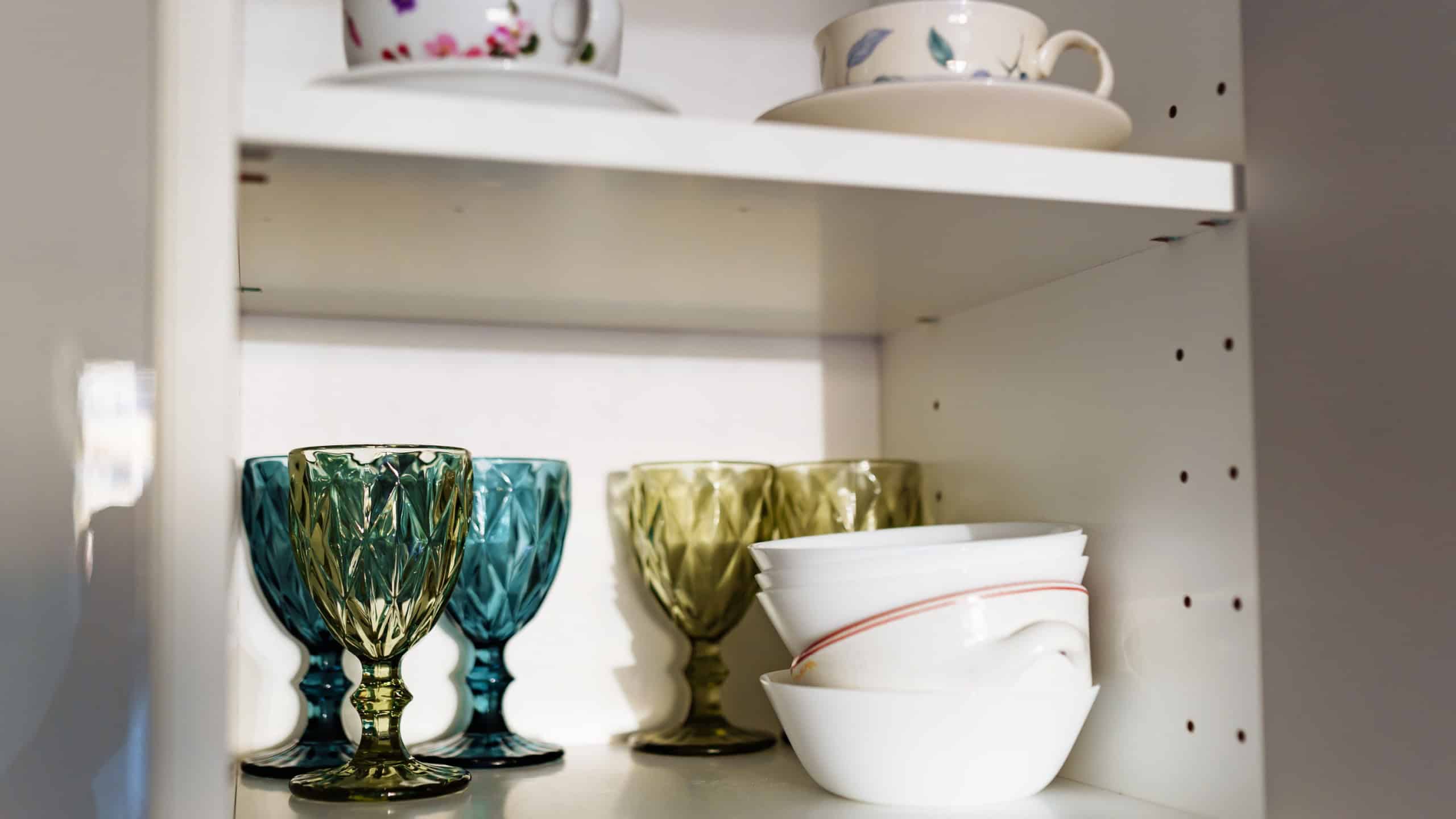
People used this glassware a lot during the Great Depression. It was inexpensive, colorful, and it was sometimes included as a bonus item when grocery shopping. Certain patterns and colors have increased in value since then. It’s mostly intact sets that are free of chips and cracks that collectors prize.
Polaroid and vintage cameras
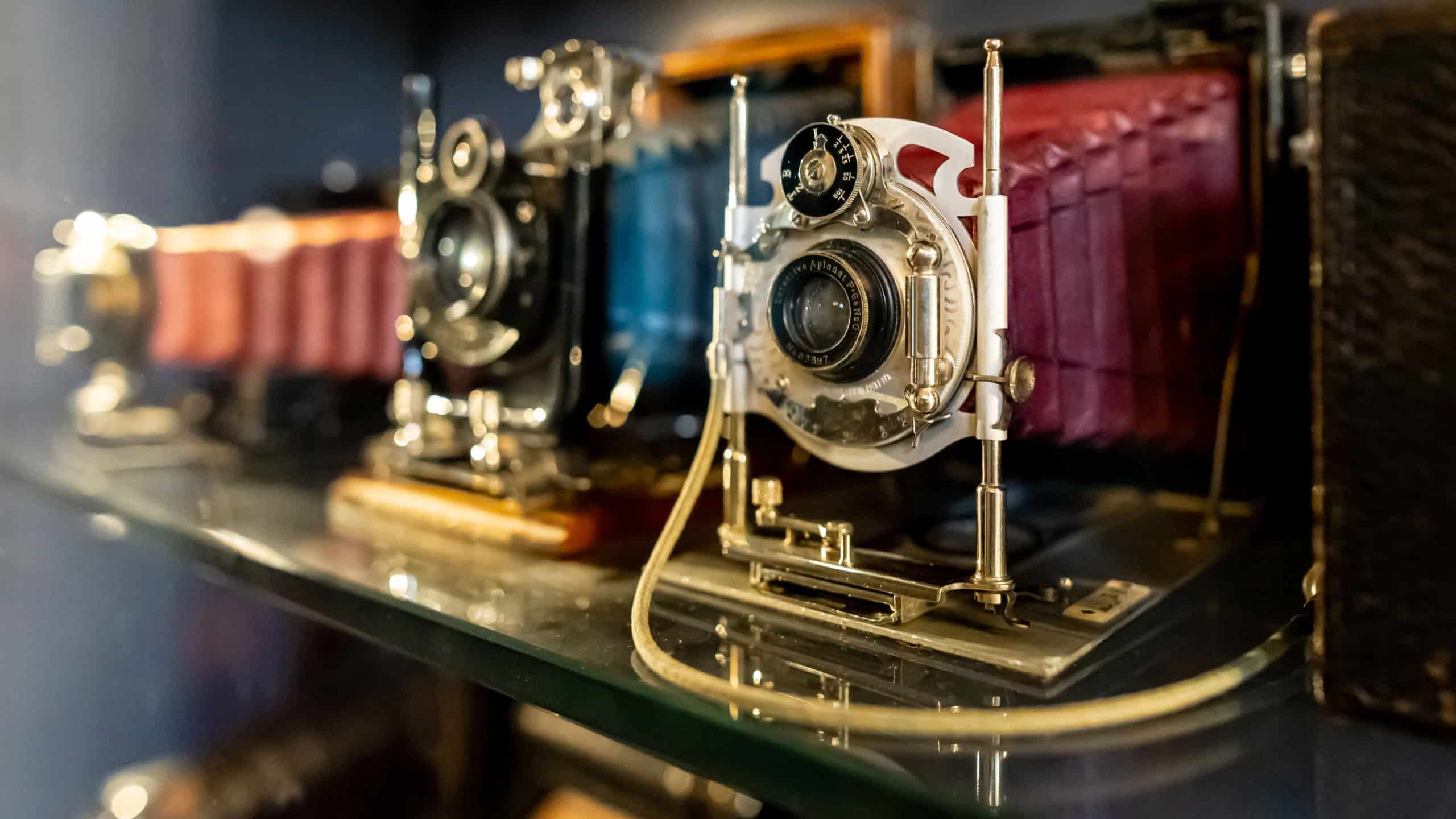
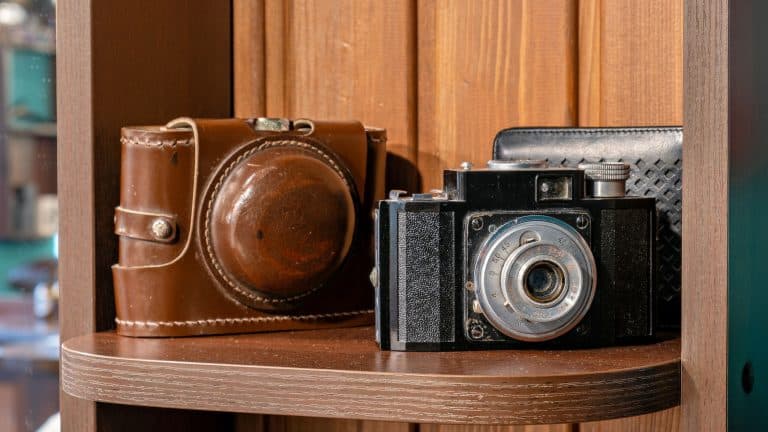
Vintage and obsolete film cameras, including older Polaroids, are being repurposed. Collectors are buying them for either use or display (or restoration). Cameras no longer functioning can even be sold, which surprises former owners who might have otherwise thought of them as junk. The retro analog photography trend is partially behind this increased demand.
Vintage perfume bottles
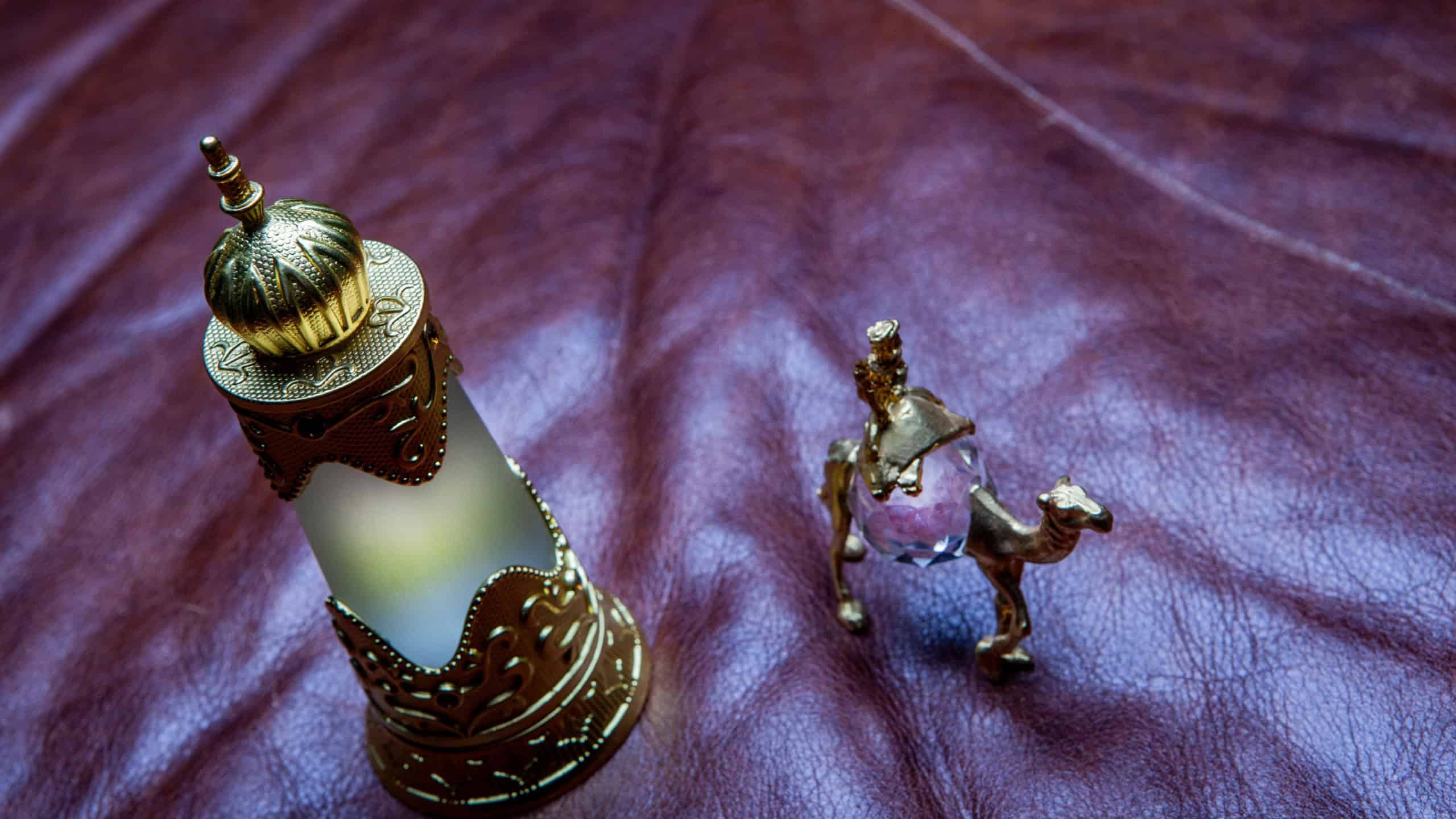
Vintage perfume bottles are collected for many reasons other than the contents inside. A lot of them were exquisitely made with etched glass, fancy stoppers or hand-finished detailing. An empty perfume bottle might also be of value if it is made by a notable house and remains in good condition.
Antique bottles and jars found while digging
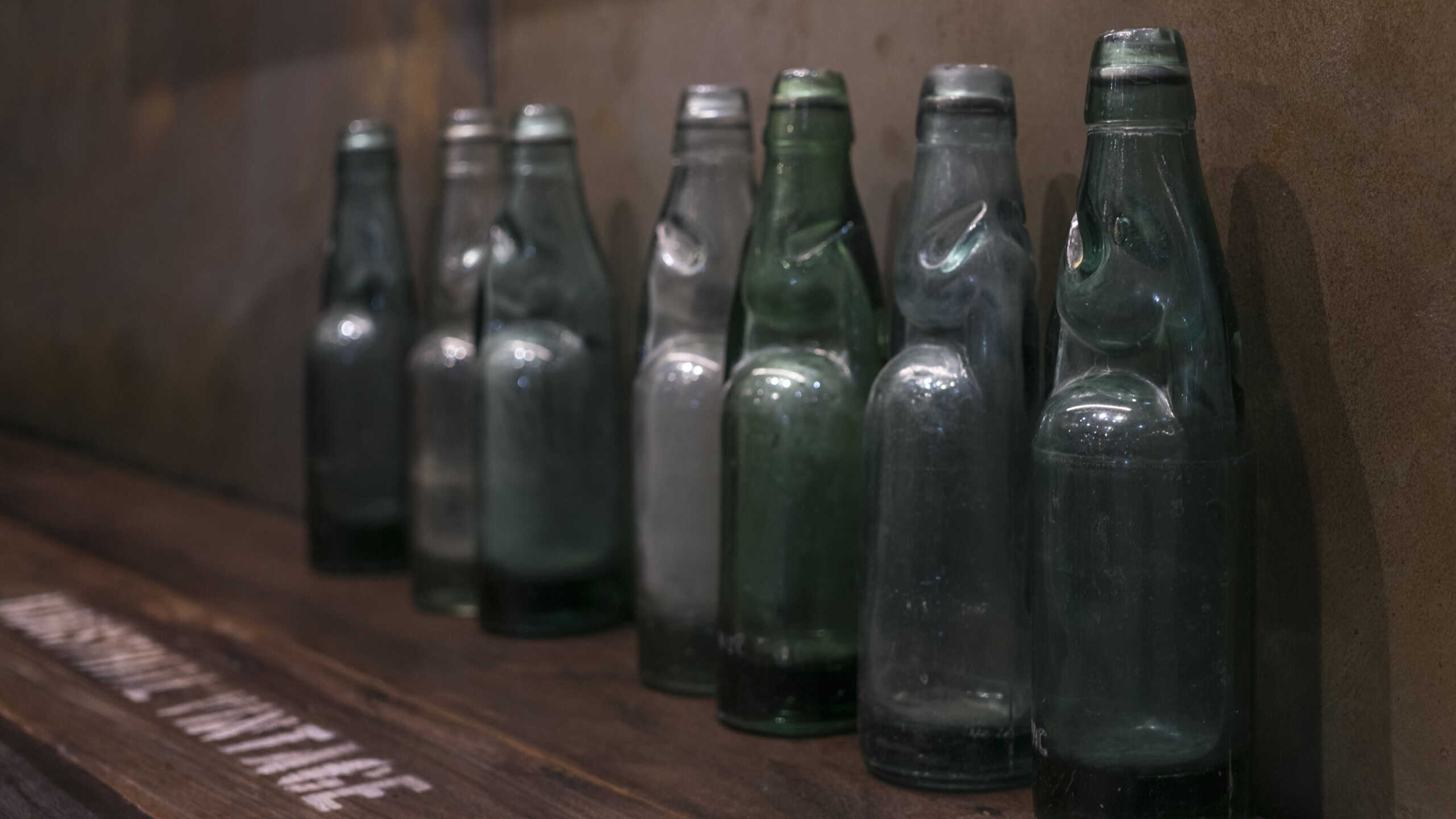
Occasionally, people find old bottles in their yards, old dump sites or even old outhouse pits while digging. The great majority of bottles found are broken and ordinary and have little or no value. On rare occasions, an intact 19th-century bottle is unearthed, and these rarities can bring good money.
Vintage concert ticket stubs
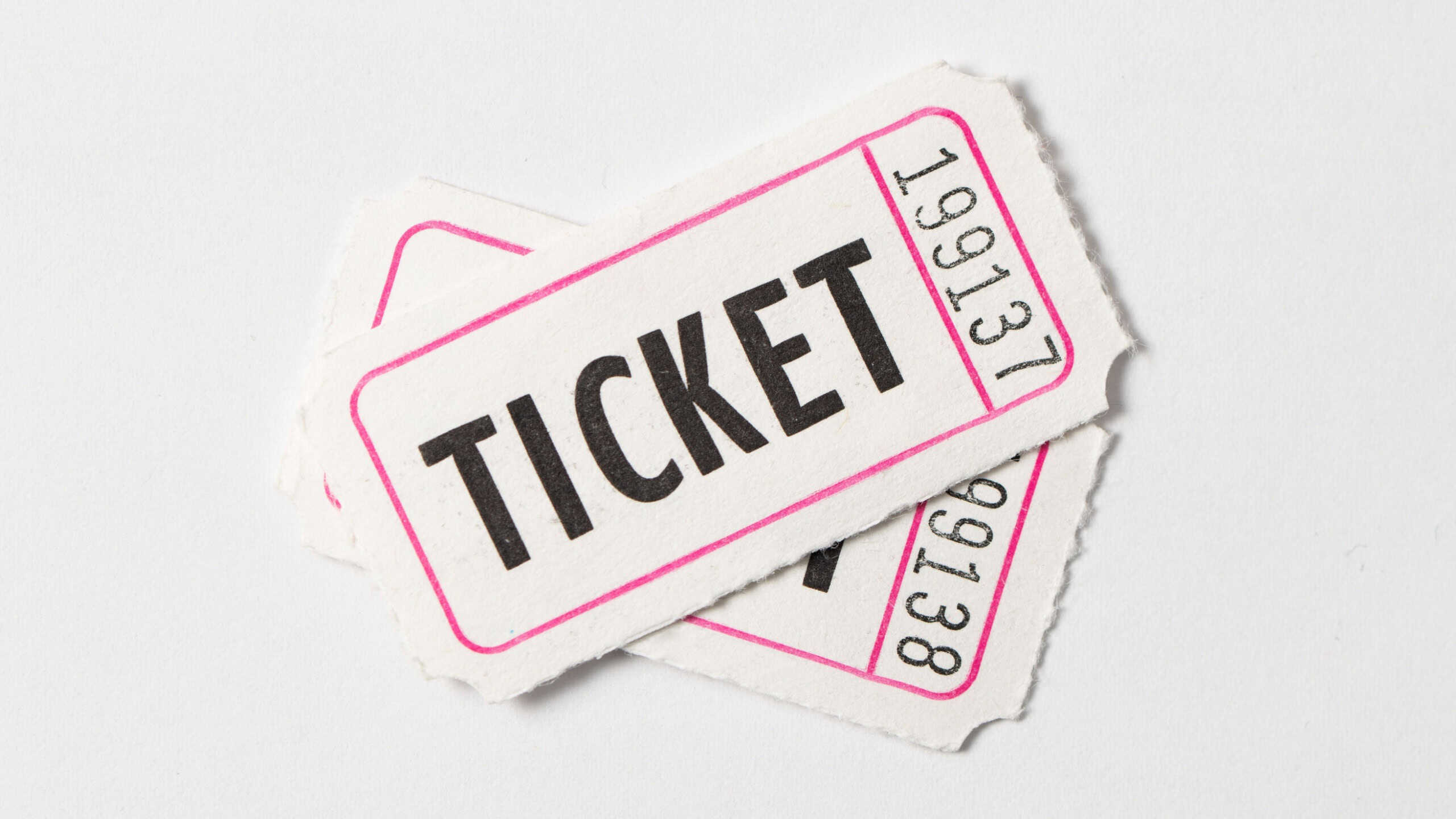
People often think that they should save old concert ticket stubs in case they become valuable someday. In most cases, they won’t be. A random concert from a local arena means nothing to a collector. The exceptions to this rule are tickets from shows that people are still talking about: an artist’s first tour, a farewell show, or a big-name venue that has since closed down. If the stub is in good condition and you can clearly connect it to that event, collectors will pay for it.

