
Sometimes we look back at some of the things our grandparents used for medicine, and we laugh, but most of it came from necessity.
Grandma didn’t run to the pharmacy when you had a fever. She ran to the kitchen. Onions were chopped. Leaves from outside were boiled in a pot. It would smell weird in the house for hours, and you had to sit there and drink whatever she gave you.
Sometimes it worked. Sometimes you woke up sick the next morning and just more miserable. But that’s just how it was. People trusted what they had nearby. Modern medicine, thankfully, has come a long way with its testing procedures.
Here are 10 first aid treatments our grandparents used that modern-day doctors would avoid.
Chewing whole cloves for toothache pain relief

The real power of cloves comes from eugenol, a natural nerve-blocker. To my knowledge, it’s the sole home remedy that truly packs a punch.
Modern dentists really aren’t keen on at-home clove treatments, since they can scorch your gums. Cloves are a good quick fix, but they hide an underlying issue that needs a dentist’s attention.
Lettuce tea for sleep

For many Caribbean parents, the bottle soothing their babies with the goodnight ritual wasn’t filled with milk but with lettuce simmering in a pot. A few leaves, some sugar and a warm mug were all it took to quiet the liveliest child.
Most doctors aren’t going to recommend drinking lettuce tea because it won’t work. The sedative compounds present in lettuce these days are too weak. Doctors suggest sticking to proven sleep tips and strategies.
Brandy mixed with herbs for pain

Back in those farmhouse days, that bottle of medicinal brandy stashed away on the top shelf was the closest thing they had to an emergency room.
Reserved for ailments that a night of rest would not cure, it was heated with honey or bitter roots and rubbed onto sore muscles or swiped across swollen gums.
Obviously, it worked for the pain, even if the dosage was measured with mostly pours and feelings. We’ve thankfully traded brandy-rubbed cotton balls for ibuprofen, because science has shown us that you can actually heal without the side effects of a headache the next day.
It’s not as romantic, but it sure is easier on your body.
Mustard bath to draw out illness

The mustard bath was our original “sweating it out” tradition. Before we were lining our baths with eucalyptus-infused fizzies, generations of people were creating a spicy, aromatic steam bath designed to literally suck the worst of winter’s germs from your body.
Not only did it feel hearty and restorative, but it also made you feel like you were actually combatting what was beating you down.
Mustard will increase your blood flow and can help ease achy muscles, but there is no proof that it actually rids your body of an illness like the common flu.
Modern medicine has simplified its approach to fighting viruses: stay hydrated and keep your fever at bay.
Bread poultices for boils or swelling

Having a boil or splinter that just wouldn’t quit? You’d slice off the soft middle of a loaf, soak it in warm milk, and apply it directly to the wound like a poultice.
Truth be told, it felt wonderfully comforting, and it somehow worked: the warm moisture dulled pain whenever it could.
We still use poultices today, for good reason, though. We don’t use bread because warm, moist bread is also a breeding ground for bacteria.
Applying bread dipped in warm milk to an open wound was essentially asking for a brand new batch of germs to infect you. Now, we use sterilized compresses instead.
Vinegar compresses for fevers

It was a genius idea: vinegar has a lower boiling point than water, which means that when it evaporates, it will suck heat out of whatever it touches much faster. Placing one on your burning forehead feels amazing.
The problem was that while vinegar compresses made you feel good, they didn’t help your body fight whatever was causing your fever to run.
Doctors later abandoned cold vinegar treatments because they can actually irritate delicate skin and don’t come close to modern medicine’s accuracy. These days, the focus is on addressing the root issue that’s causing the temperature spike.
Onion syrup for chest congestion

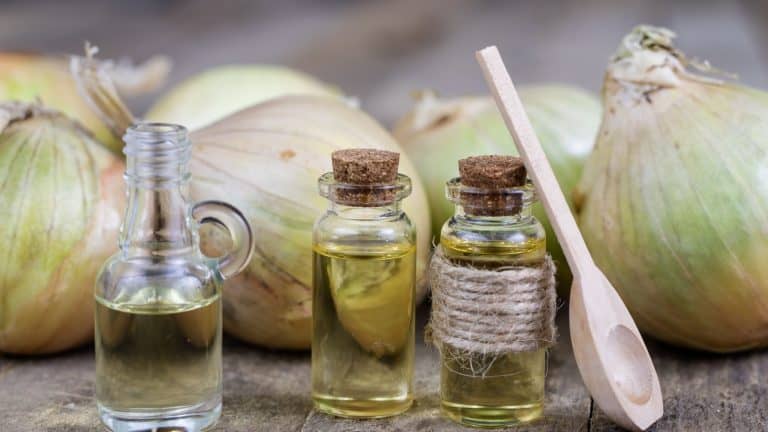
The very first “pantry-to-pharmacy” cough syrup was made out of onions. It sounds gross and possibly experimental, but the rationale is sound: Onions contain sulfur compounds, which loosen mucus, and allow you to hack it up with less agony.
Once mixed with sugar and left to sit, the sugar draws out the onion’s essence, forming a syrup that’s surprisingly palatable.
Putting the oniony scent aside, the remedy’s resourcefulness deserves some credit. Nowadays, we can easily grab expectorants, but in the old days, resourcefulness was key.
Mustard plaster for congestion and muscle pain

Early 1900s folks mixed up mustard powder and water. They put the paste on a cloth. Then they applied it directly to their chests. Easy. Inexpensive. And supposedly effective.
The downfall was no one told you how quickly things could deteriorate. First it just felt hot. Soon you began to feel a burning sensation. Letting it sit there too long, that warmth turned into a full-blown burn. Red skin. Sometimes more.
And people swore by this stuff. Not because it did anything. Mostly because your chest hurt so much, you didn’t care about your cough.
Moss dressings to stop bleeding and protect cuts

World War I soldiers were running low on cotton. The troops had to rely on whatever was available. For some men, that resource was moss.
Turns out, moss isn’t a bad substitute. It can absorb blood quickly and has natural antibacterial properties. But, moss also came directly from the woods with dirt and bugs.
We have sterile gauze packets now. They’re a lot cleaner. And frankly, we’d rather not wonder what else is in our bandage.
Medicinal clay on skin wounds and irritation

People would take clay and rub it directly onto cuts and scrapes. Sounds fairly harmless, right?
You’d take some in your hands, mix it with a little water, and then apply it to your skin, patching it up just like you would a hole in the drywall.
Clay does have absorbing properties when it comes to drawing certain things out, kaolin, for example. So, it made sense that people tried it. The issue was that no one knew what else might be in that clay.
What if you grabbed clay from the wrong area? It could be loaded with bacteria, perhaps even small flecks of metal you really didn’t want in your open wound.
Sources: Please see here for a complete listing of all sources that were consulted in the preparation of this article.
Why doctors once claimed fresh air was dangerous for the sick

Why did doctors once insist night air was deadly and seal the sick away from every breeze? They had some interesting reasons. Let’s find out what they were.
Why doctors once claimed fresh air was dangerous for the sick


