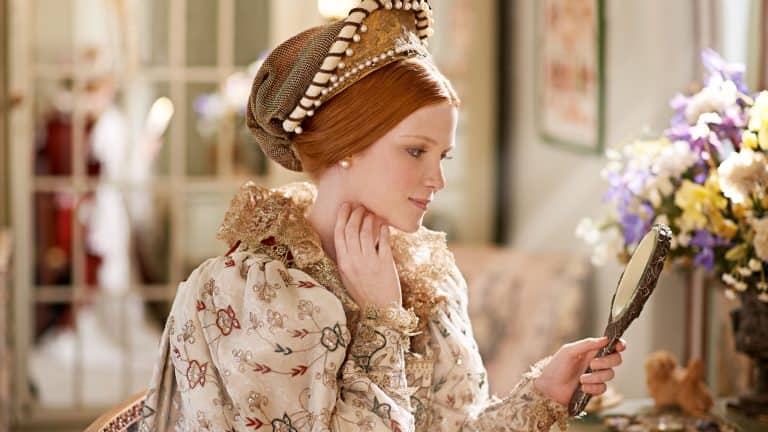

People are easily scared of what they do not know. Many everyday items were once feared for harming health, morals, or society. They were banned, ridiculed, or blamed for all kinds of problems before it was discovered that they were perfectly safe. Here are 10 such items and the stories behind their persecution.
Forks at the medieval dinner table

Did you know that the word “fork” actually comes from Latin furca meaning pitchfork? Dining forks first came into use among the elite in the Middle East and Byzantine Empire.
Forks were considered unnatural and even sinful when first introduced to Europe. Eating with one’s hands was thought to be God’s intent. People found the use of metal prongs to be too arrogant.
Many were scandalized when Byzantine noblewoman Maria Argyropoulina used them in Venice. When she died of plague a few years later, preachers used her death as an indictment of the utensil. Forks would be rejected for centuries to come, not due to safety, but tradition.
Tomatoes once feared as “poison apples”

Tomatoes now grace salads and sauces around the world. But in Europe, hundreds of years ago, they were considered “poison apples.” Aristocrats who ate them on pewter plates became ill. The acid in the fruit extracted lead from the metal. For generations, people shunned the fruit, believing it was lethal.
Mirrors once blamed for stealing souls
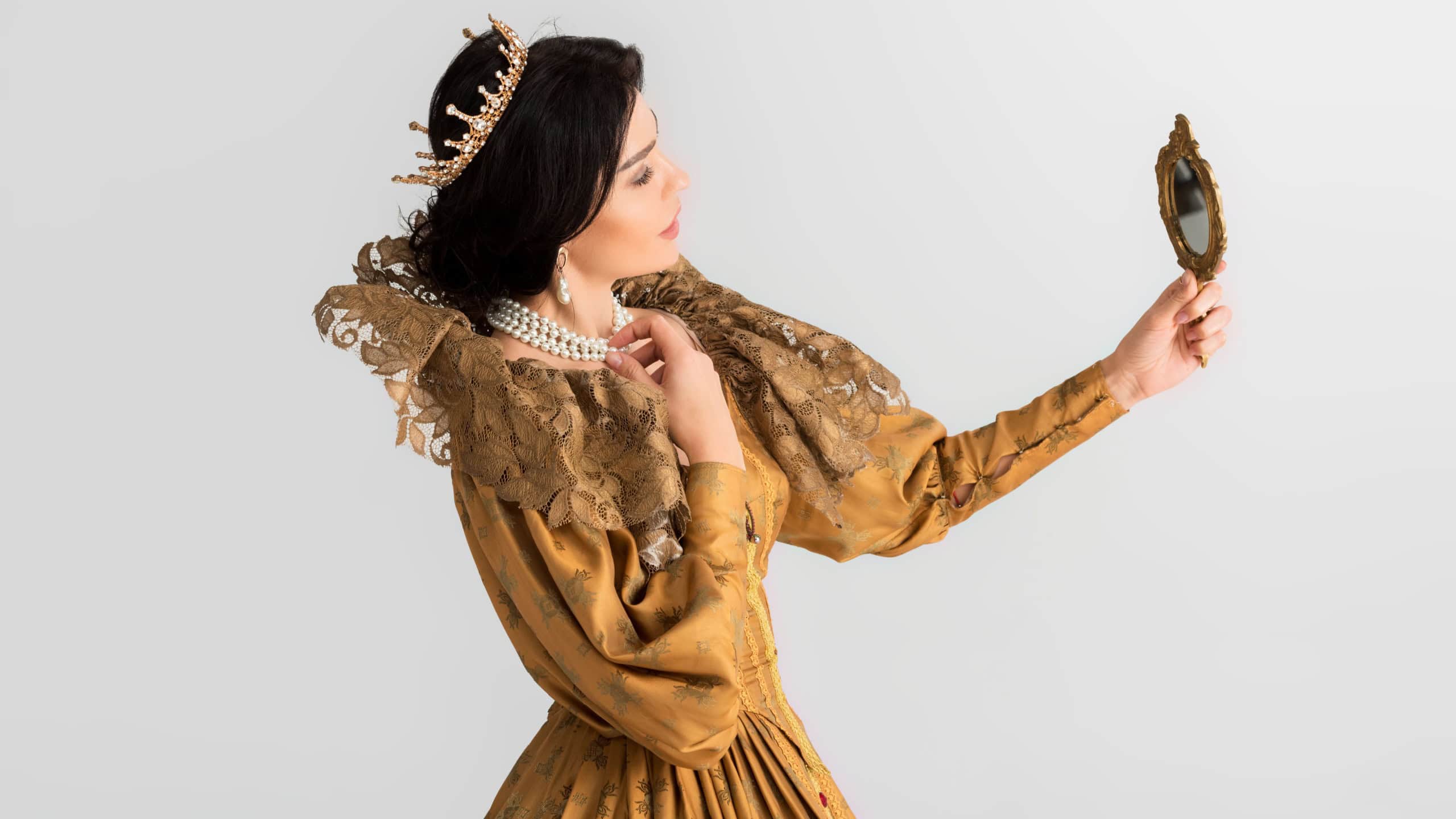
Mirrors made of glass were not considered as objects with reflecting surfaces in some cultures, but rather dangerous tools that could trap or steal the owner’s soul. Covering them in a time of sickness or death was the common practice since the reflection was thought to consume spiritual energy. These traditions gradually stopped and the use of mirrors became commonplace.
Iceboxes and early refrigerators

Iceboxes and the early mechanical refrigerators were a source of fear for people in the 19th century. When they first started being used by the public, people were concerned with possibilities of meat rotting if the appliance stopped working or even that the enclosed cold air would make people ill. Some went so far as to say it could cause respiratory disease.
Bathing believed to weaken the body

In Europe, some people didn’t bathe regularly because they thought it would weaken them. Many thought that hot water opened the pores and allowed disease to enter. Doctors even told their patients that washing too often would sap their strength or unbalance the body. Instead, people often used perfumes or clean clothes. They didn’t realize dirt and poor hygiene, rather than water, spread disease until germs were better understood.
Coffee once seen as a social danger

Once coffee reached Europe it quickly became the drink of choice in coffeehouses. People would spend hours in these establishments talking about politics, religion and ideas. Rulers began to see this as dangerous for rebellion and spreading gossip. Some cities banned or restricted coffee for this very reason. It wasn’t coffee per se but the vigorous exchange of ideas that alarmed rulers.
Books blamed for corrupting minds

Books, and novels in particular, were considered very dangerous. People thought they made readers lazy or filled their minds with “bad” ideas. The warnings were strongest for young people and women. Reading fiction was thought to encourage daydreaming instead of attending to one’s duties. It was not the books, but the ability to think quietly and freely that frightened people.
Eyeglasses once believed to weaken eyesight

When eyeglasses became widespread, there was a fear they would damage the eyes. Glasses were thought to encourage lazy eyes, particularly in children. Parents thought the use of glasses would progressively damage eyesight. In reality, glasses simply corrected the eyes, and did not make them weak. The real fear was the dependence upon a tool, rather than the natural body.
Sewing machines once feared to harm bodies

In the early 19th century, the invention of the sewing machine filled people with fear. Doctors claimed it would cause curvature of the spine, nervous afflictions, and feminine debility. But there was no evidence to support it, just fear of the unknown. Women would use the machine to sew faster, make money, and have less time doing housework.
The machine wasn’t harming bodies; it was upsetting routines, independence, and expectations. The disruption was what made people anxious.
Clocks controlling lives

Clocks were thought to be controlling and unnatural. Prior to clocks, humans rose with the sun and worked with the seasons. Detractors argued that clocks imposed rigid schedules on people. This led to stress and exhaustion. Strict timekeeping led to concerns about moral degradation. It was not the clocks themselves that scared people, but the lack of freedom.
Sources: Please see here for a complete listing of all sources that were consulted in the preparation of this article.
Like our content? Be sure to follow us.

