

It’s hard to believe that a lifeless fork or book could ever terrify anyone. In America, however, there have been crazes over even the most basic objects. What made them menacing was not the object itself, but the fear placed upon them. These are a few of the oddest examples.
Featured Image Credit: Shutterstock.
Trains

In the 19th century, trains were both thrilling and terrifying. Some believed it could damage women’s bodies and reproduction abilities if they traveled at high speeds. Doctors claimed the organs might become displaced or the victim could even die. Women actually avoided using trains and there were public debates over their safety without any hard evidence.
Forks

In America, a fork was considered to be “evil” by some Puritans. John Winthrop is said to have declared that it was sinful to put “Earth’s dung (silver) ‘twixt our fingers and God’s food” and it is said that the only natural eating instrument was the human finger. In the early 17th century the use of the fork was considered to be artificial and decadent. These negative attitudes about the fork remained for a long time, but eventually forks gained acceptance.
Harry Potter books

When in the 1990s and 2000s children across the United States were enchanted by the Harry Potter series, there was also an adult backlash. Some religious organizations accused the books of promoting witchcraft and wizardry. Schools and libraries were petitioned to remove the books. This only backfired; the series became more popular and Harry Potter became one of America’s most loved series.
Rock ‘n’ Roll music

Rock ‘n’ roll created social anxiety when it first arrived in the 1950s. Teenagers embraced the fast tempo and new dances, while adults feared them. Listeners and dancers might become more rebellious or promiscuous, some worried. Mixing of races was also a concern since most rock ‘n’ roll performers were African American. Communities tried stopping rock ‘n’ roll concerts from happening, as well as limiting radio song selections and stopping public dancing by adolescents.
Parachutes

Parachutes were initially met with widespread panic. It was widely believed that parachutes would make airplane jumps more common and risk lives. The initial adoption of parachutes was delayed by this dread. As parachutes improved in safety, people began to understand their usefulness which led to the end of the panic.
Video games
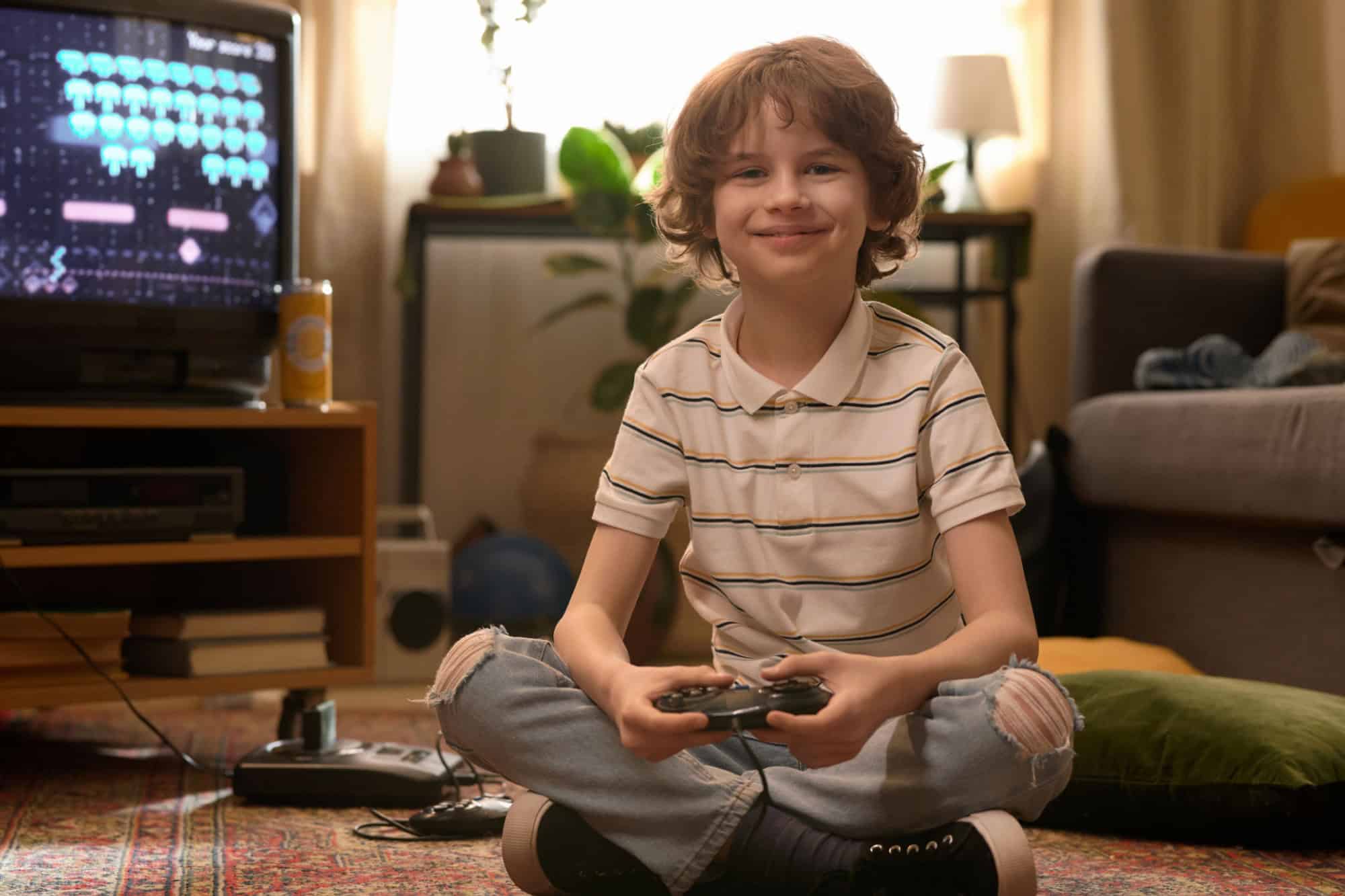
Violent video games became a public concern in the 1990s. Games like Mortal Kombat and Grand Theft Auto seemed too violent for children. Stores banned the games, and legislators spoke of limits. Though no studies had proven games could make players violent, the ESRB (Entertainment software rating board, an organization that assigns age and content ratings to video games to help parents and players know if a game is suitable for children, teens, or adults) was formed to help parents understand a game’s content.
Books and novels (reading them alone)

Could reading alone be dangerous? Some thought so in early America. Women who read in private, it was argued, were shirking their religious and social duties. Books, and novels in particular, were also accused of spreading sinful or whimsical ideas. Anxiety about reading influenced which books women were allowed to read.

In the early 2000s, Americans began to wonder whether email could be making us worse. According to a 2005 study (commissioned by Hewlett-Packard and conducted by psychologist Dr. Glenn Wilson, at University of London’s Institute of Psychiatry), the more often a person checks messages, the lower their individual IQ level could be, potentially losing up to 10 points more than mar***ana users experience.
This research, heavily covered at the time, intensified the panic that inboxes were keeping us from deep thinking, concentration, even healthy relationships. The email’s progress stirred profound fears of mental decline.
Wind turbines

Wind turbines sprouted in the American landscape, and complaints about health soon followed. Neighbors reported insomnia, dizziness, headaches, from the sound and vibration. Research produced no convincing evidence of such a connection, but the anxiety remained.
The glass armonica
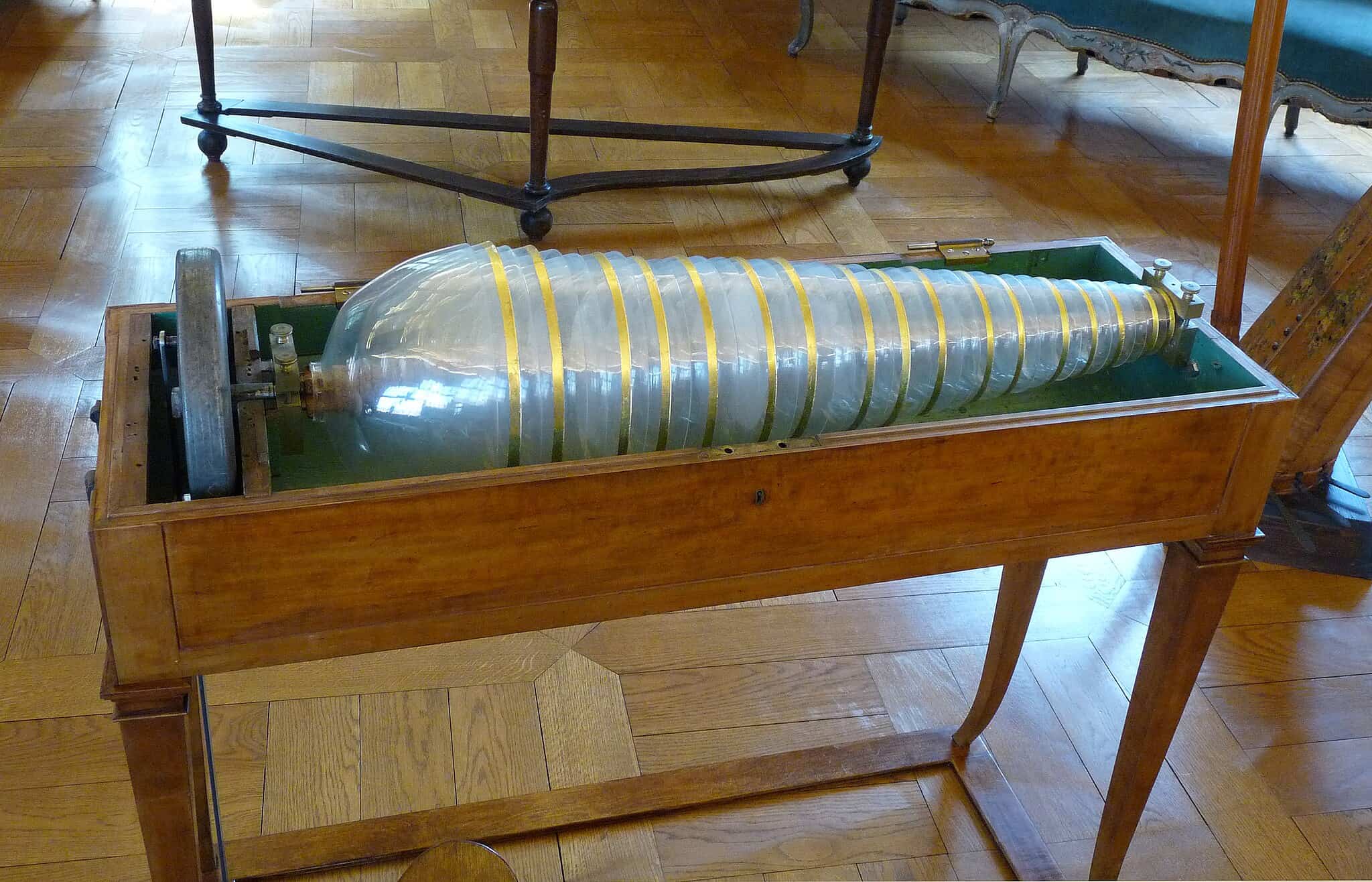
Hard to believe now, but in Benjamin Franklin’s day this lovely musical instrument could cause a panic. Created by Benjamin Franklin in 1761 the glass armonica made gentle, ethereal music that could supposedly unbalance the mind. Schoolmasters and parents warned children about it: melancholy and nervous disorders.
The instruments’ reputation worsened when a German doctor used them to induce trances. Franz Mesmer created a public spectacle in his experiments with the glass armonica. The instrument eventually faded into obscurity, but the ghostly music lingers on.
Sources: Please see here for a complete listing of all sources that were consulted in the preparation of this article.
Like our content? Be sure to follow us.


