
You might’ve noticed that some places just never give you certain condiments. It’s only ever when you beg for them & that’s not by accident. It could be that they’re refusing for legitimate reasons. We spoke to some restaurant owners and food experts, and here are ten condiments they would not put on the table, mostly depending on the type of cuisine or the location of the restaurant. What else do you think should be left off the table?
Featured Image Credit: Shutterstock.
Ketchup at Chicago hot dog stands

You’ll see all the fixings at most Chicago hot dog joints. But no ketchup. The local style includes mustard, relish, tomato, onion, pickle, celery salt & even sport peppers. Ketchup? It’s nowhere to be found on the counter because Chicagoans don’t believe in putting it on hot dogs. Only for fries.
A1 steak sauce at upscale steakhouses

Anyone who’s been to a high-end steakhouse might’ve noticed the lack of A1 bottles. It’s because chefs usually send out steaks with their own reductions or glazes. In some cases, the restaurants literally don’t stock A1 at all. Others keep a bottle hidden in the back. They’ll pour a small amount if someone asks.
Soy sauce at omakase sushi bars

Chefs brush sauce right on the fish at the omakase counter before they set it down. That’s why you won’t find soy sauce on your table. The chefs do it for you. The only time you might get your own dipping dish is when sashimi comes out plain, otherwise, it’s chef-seasoned. And it’s served as is.
Ranch dressing at New York slice shops

Check out the counter the next time you head into a classic New York pizzeria to order a slice. You’ll probably see oregano flakes & red pepper, maybe grated cheese. But no ranch. Most slice shops don’t bother with it, and some don’t even keep it in the kitchen. They’ll only ever keep it behind the counter for salads.
Grated cheese for seafood pasta in Italian restaurants

Ordering spaghetti alle vongole in a place that takes Italian rules seriously is a good idea. Just don’t expect the server to ask if you want cheese. In fact, you won’t see a shaker anywhere near that table because cheese & seafood just don’t mix in those kitchens. You’ll only get Parm on non-seafood dishes.
Bottled fish sauce in Vietnamese restaurants
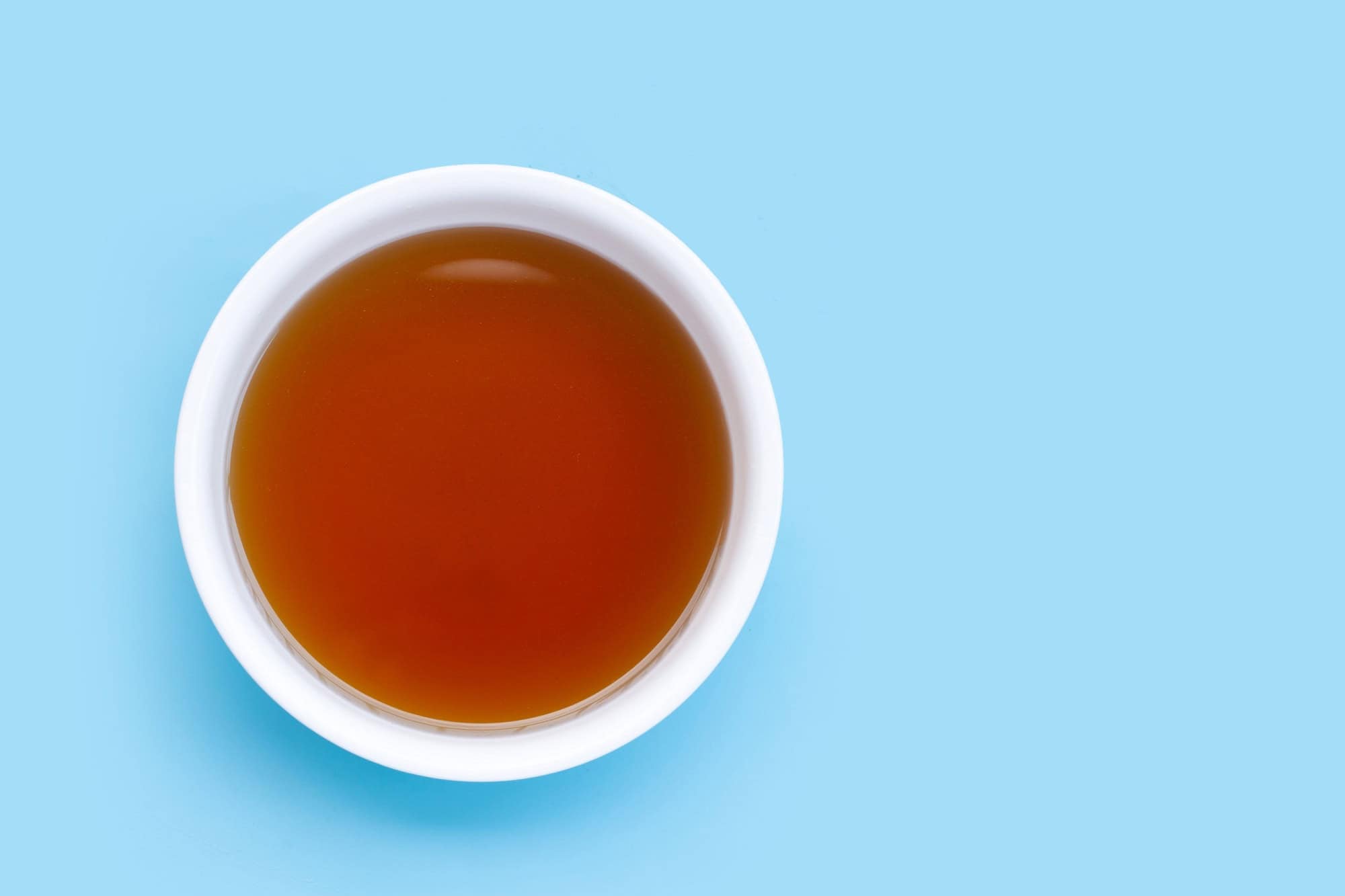
There are no fish sauce bottles out on Vietnamese restaurant tables. They’re too messy & too strong. They’re also too much. Instead, you’ll get nuoc cham, which is a lighter mix with lime, water, sugar, & chili. It usually comes in tiny bowls. They’re perfect for dipping spring rolls.
XO sauce at Cantonese seafood spots

XO sauce is never just around for anyone to grab. It’s made with dried scallops, shrimp, chili, & garlic. That makes it rather pricey. And quite a hassle to produce. As a result, most Cantonese restaurants keep it tucked away for safekeeping, so if you really want it, you’ll just get a spoonful.
Sambal belacan at Malaysian restaurants

Sambal belacan is a fiery chili paste blended with shrimp paste, and isn’t something you’ll see left out. It’s way too pungent. Plus, it’s usually whipped up in small batches & kept cold. You may get a dab if you order nasi lemak or grilled fish and ask for it. But only on request.
Olive oil & balsamic for bread service

Not every Italian-style place gives you a saucer of oil & balsamic with bread. Some stick closer to tradition, which means you just get the bread. Plain, simple, nothing else. It’s because dipping bread into oil is an American invention. Sure, a few places will bring you oil when you ask, but don’t expect it automatically.
Salt & pepper at fine-dining restaurants

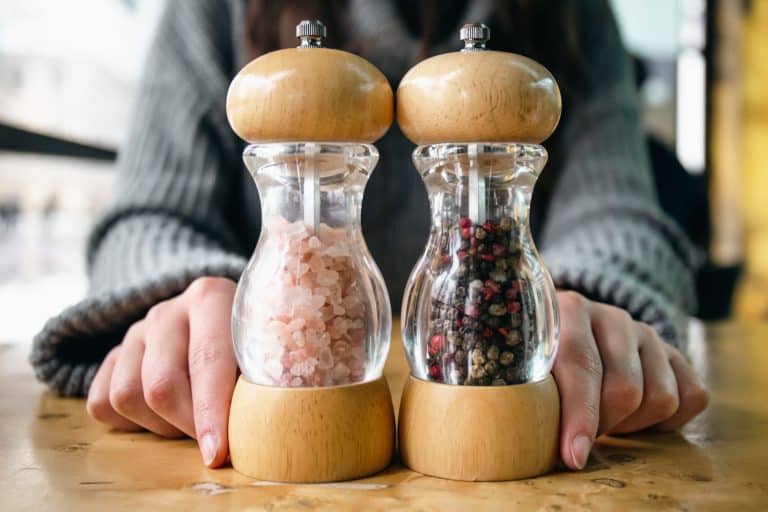
At fine-dining restaurants, you might notice that something’s missing. There’s no salt shaker & no pepper grinder on the table. It’s intentional. Chefs season the food the way they want it served, and you’ll get these condiments if you ask. A server may wheel over with a pepper mill or bring out a tiny dish of salt.
Like our content? Be sure to follow us.