

Beyond Scripture, Catholicism came to life through books of prayer and rules that were created to help guide Catholics through their faith in physical ways.
Gregorian chant

Medieval monks would sing these chants, or prayers, to each other in monasteries. They sang these chants without instruments.
Gregorian chant is named after Pope Gregory I who supposedly organized church music during his papacy. Melodies are slow, with no driving contemporary beat. As a result, Gregorian chants have a tranquil, meditative sound.
The words of Gregorian chants are traditionally sung in Latin. With little musical distraction, many Catholics believe this quiet music allows them to concentrate on praying.
Crossed candles

On February 3, Catholics patiently wait in line to have two candles pressed against their throats while a priest says a prayer.
He offers a blessing against “every disease of the throat, and other every illness and pain.”
The tradition honors a fourth-century bishop who miraculously freed a boy from a fishbone lodged in his throat.
Many saints and miraculous healings are mentioned in Scripture, but this precautionary Church tradition is specific to throat health.
Soul examination

On each of the three Sundays during Lent, those becoming Catholics experience liturgical rites called “Scrutinies.”
These are highly ritualized prayers for the spiritual healing of converts done in front of the entire congregation.
The exorcisms within these prayers are designed to expose and mend any weaknesses in the new believer’s soul.
This public scrutiny of converts is a traditional expectation and not biblically mandated before baptism.
Midnight Altars
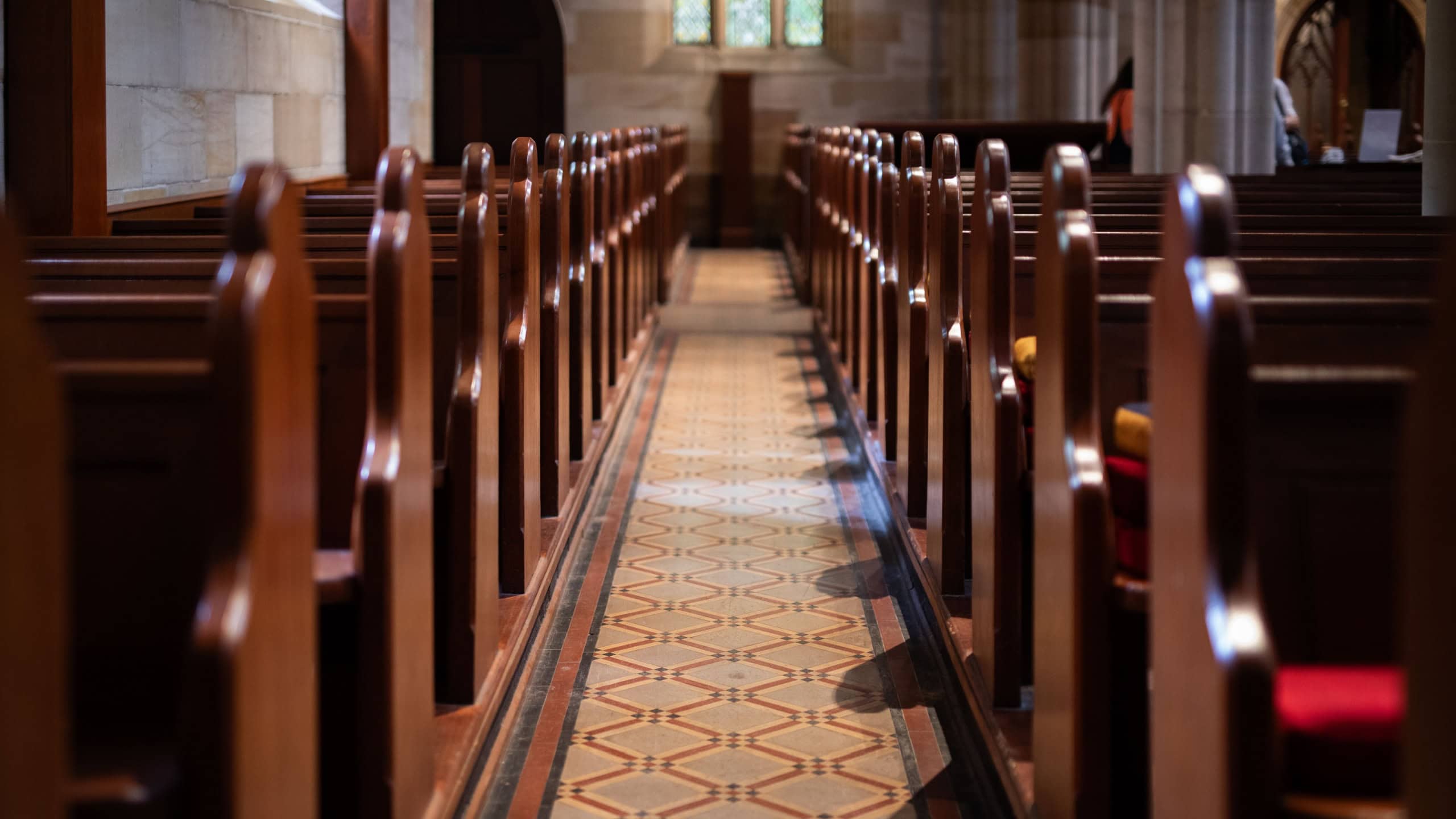
After the Mass of the Lord’s Supper concludes, the Eucharist is carried in procession to a richly adorned side chapel, the Altar of Repose.
Parishioners stay and pray there all night long, right up until the first light. Many faithfully make the rounds to seven churches in a single night, visiting each Altar of Repose.
This act represents Jesus’ journey through the various stages of His passion in Jerusalem.
And this practice developed out of medieval piety in Europe and sets a morose mood of traveling at night.
Blessed engines

Some churches offer a special day once a year for drivers to bring their cars to church and have the priest sprinkle them with holy water.
Typically this falls under the blessing of St. Christopher, patron saint of travelers. Our hope is that the Lord will keep those traveling by road secure and grant safe passage to everyone inside.
Although travel by chariot or even boat is mentioned in the Bible, blessing today’s engines falls under good Church customs.
Ancient countdown

Churches offer prayers called the O Antiphons during the last seven days before Christmas.
Each day includes a short prayer that addresses Jesus Christ by one of his Biblical Names such as Wisdom or King.
Each name reflects a different aspect of how mankind expected the Messiah to come as promised in the Old Testament.
The first lines of the antiphons, when taken from the ancient Latin text, form an acrostic that is read backwards.
When these letters are put together, they spell out “Ero Cras,” a phrase that means “Tomorrow, I will be there.” And this was the Church’s straightforward way to foster hope and anticipation for Christmas.
Candelaria
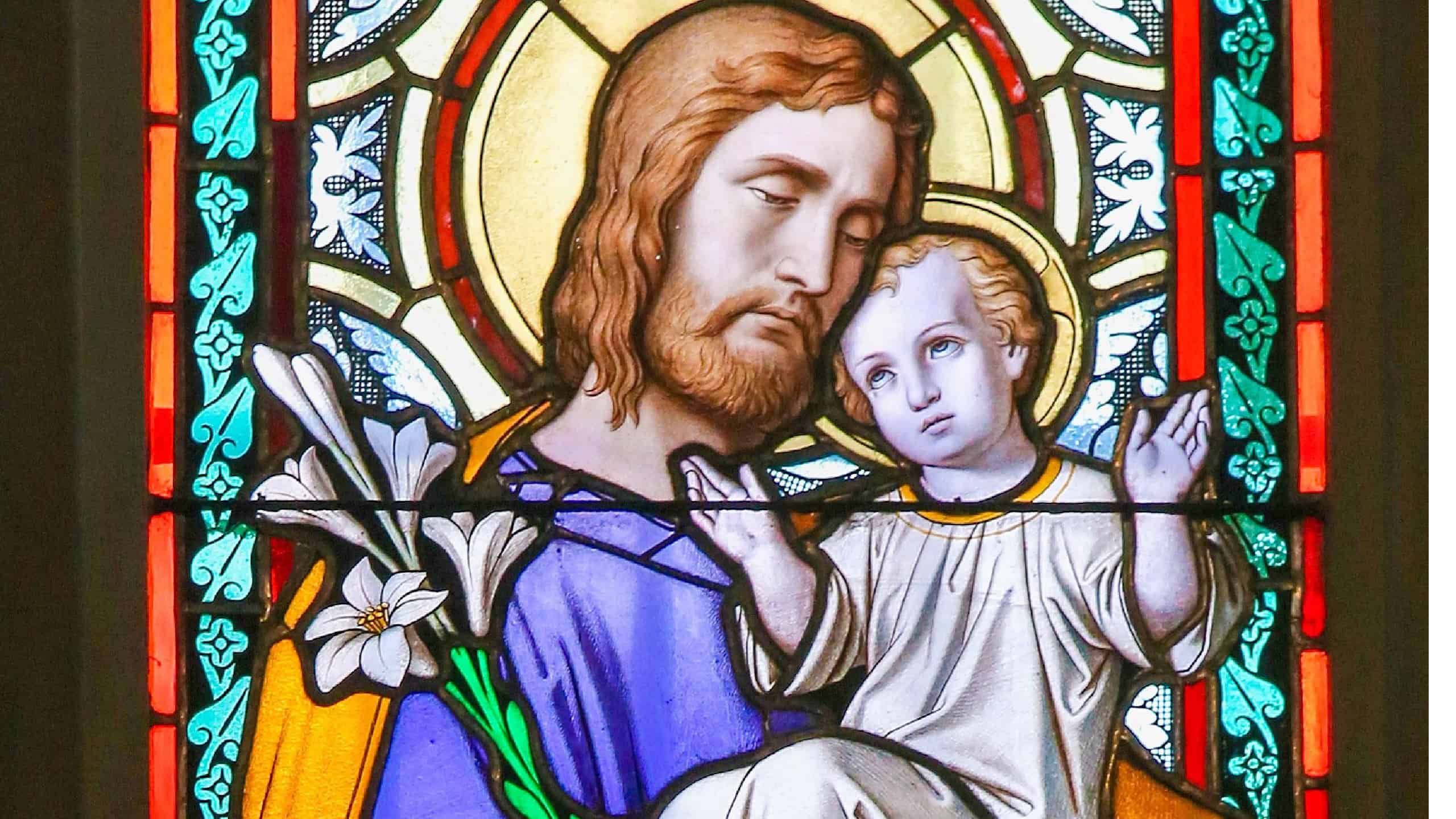
Many cultures keep religious statuettes of baby Jesus and dress them up to bring to Church on February 2nd.
Some families choose to act as godparents for the baby Jesus statue.
Following this, priests bless all the candles families will need in their homes throughout the year.
Final blessing
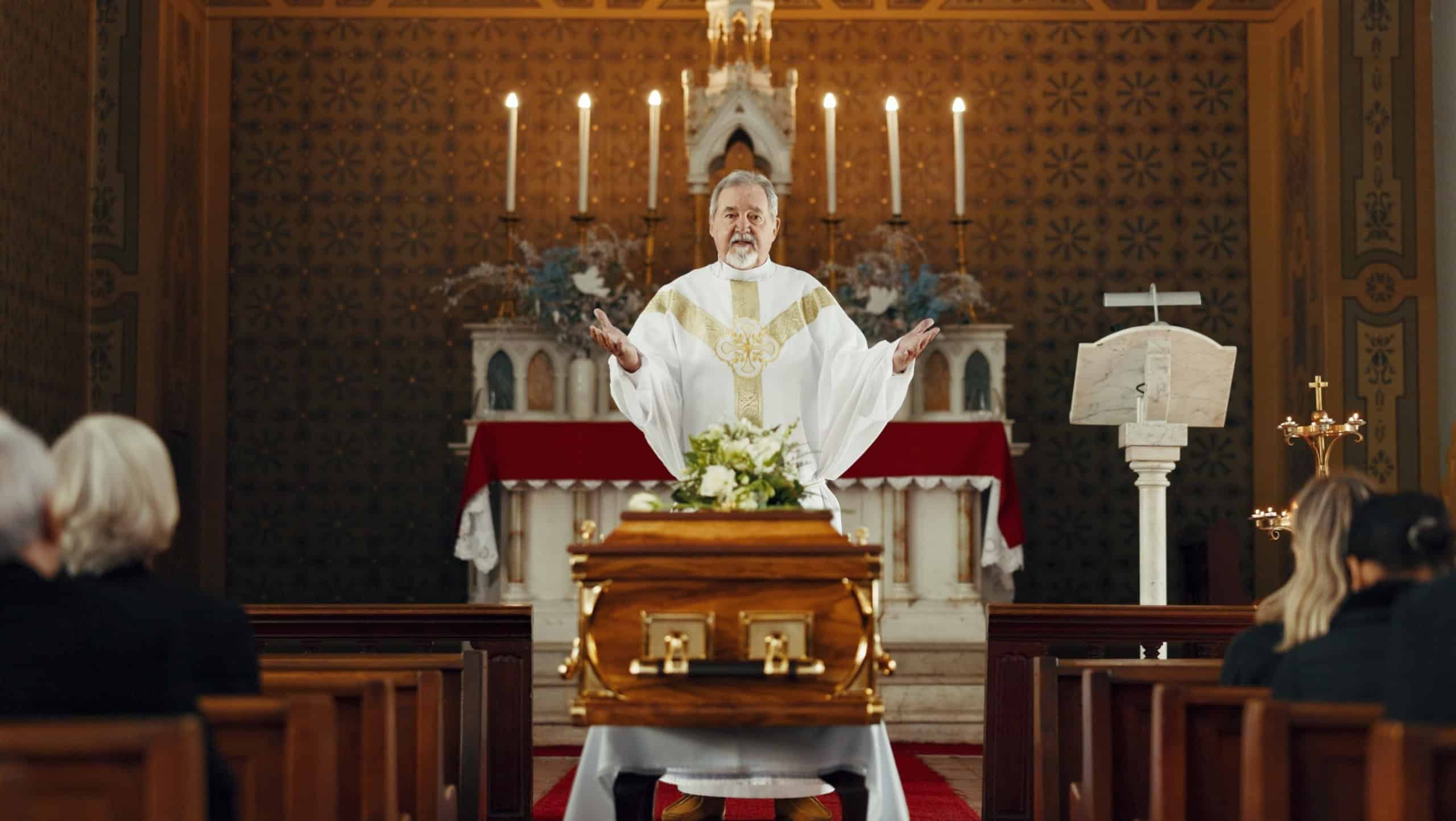
As mourners pay their respects at the funeral Mass, the priest approaches the coffin for one last time.
As he ambles slowly around, he sprinkles the casket with holy water and burns incense. This ceremony is called the “Absolution.”
During this time the priest formally absolves the body of its sins and asks that the soul of the deceased be allowed into heaven. Seeing the smoke rise over the casket is a symbol of everyone present praying for the deceased who can no longer pray for themselves.
Choreographed mourning like this allows for physical closure like so many other traditions which have developed through years of liturgy.
Fatima promise

Some Catholics go to Mass and pray the Rosary every first Saturday of the month five times in a row.
It does not come from the Bible but from visions reported at Fatima in 1917. This devotion was given as an act of reparation to help us obtain peace and make amends for sins.
Here’s another example of how private revelations can go on to influence prayer habits worldwide within the Church.
Chalked doors
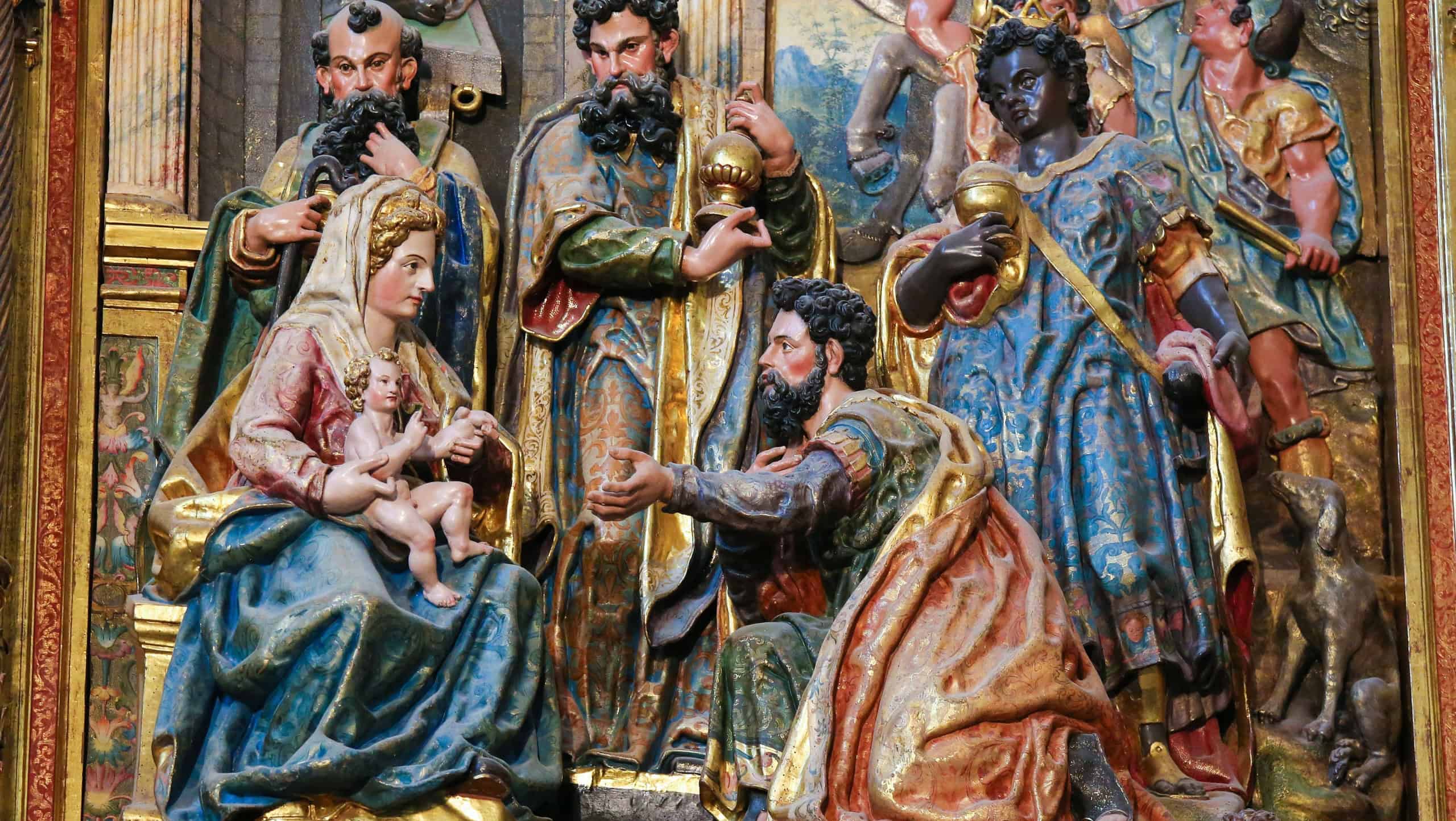
Matthew tells us the magi came from the East, but never says how many or what their names were.
Later traditions, however, settled on three magi because of the three gifts they brought: gold, frankincense, and myrrh.
It wasn’t until the 6th century that their names, Caspar, Melchior, and Balthazar, were eventually bestowed upon them. Some families even today chalk the door with these initials when celebrating Epiphany. And this tradition is based solely on extra-biblical legends.
Sources: Please see here for a complete listing of all sources that were consulted in the preparation of this article.

