

Driving was a lot harder back in the day, and it’s mostly because it involved some little jobs that have since vanished, whether rightly or wrongly.
The starting ritual
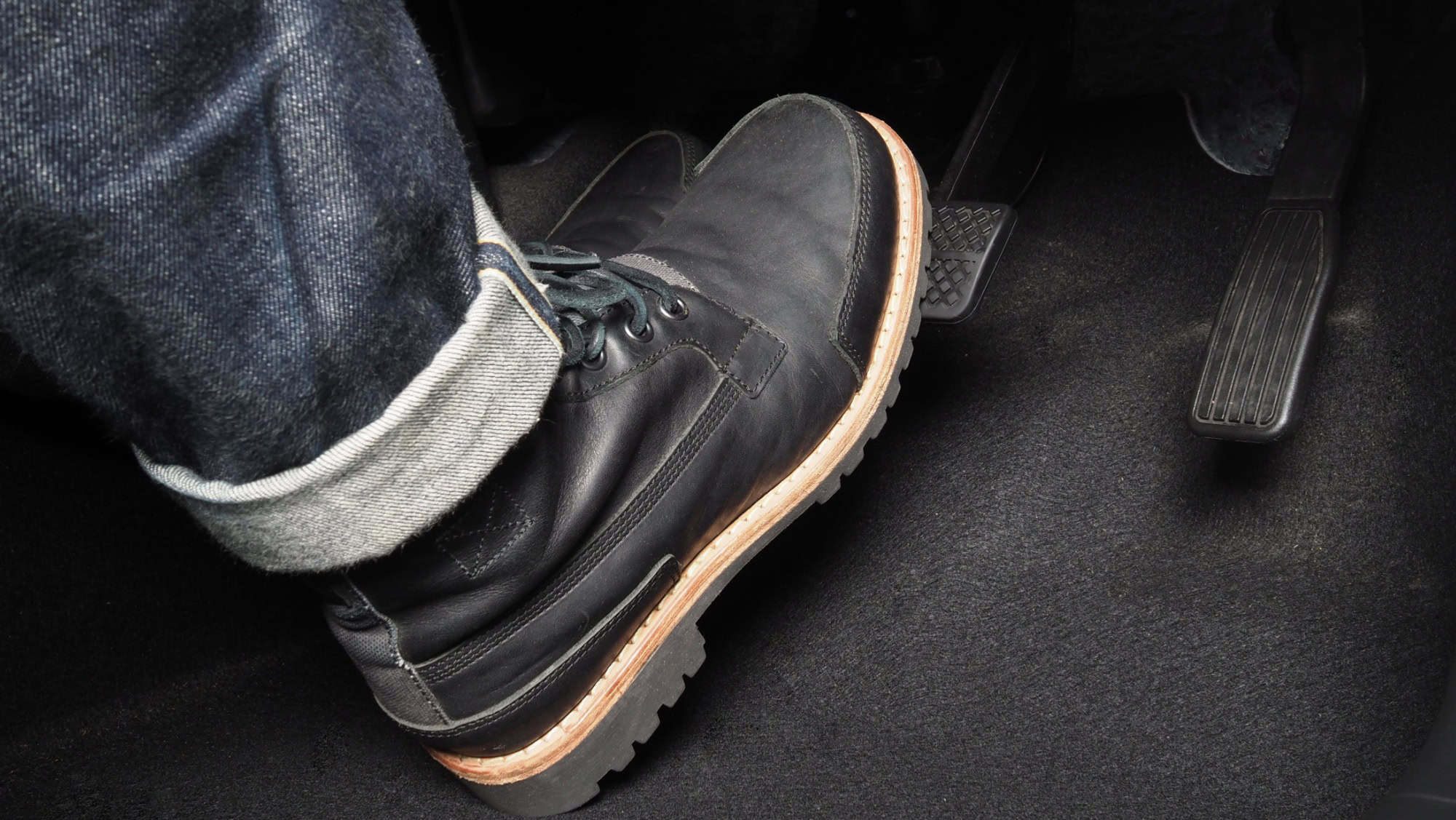
A lot of older cars had carbureted engines, meaning that you had to do a little routine before you could even turn the engine over. You’d press the gas once, maybe twice, which sent extra fuel into the carburetor and could also set the choke for a cold start. Then you’d turn the key.
Yes, it was a lot of work. But a lot of drivers used to do it without thinking. Modern cars are almost all fuel-injected, so they handle that job automatically. The start-up ritual disappeared long before post-2000 drivers got on the road.
A switch under your left foot

A driver’s left foot used to do a lot more than simply work the clutch, as in a lot of American cars, the headlight dimmer was located on the floor. It was often near the driver’s side kick panel. Anytime you wanted high beams, you pressed it with your toe, then you’d press it once more to go back to low beams again.
Column-mounted controls have replaced that button and made the whole headlight-switching thing a lot easier. The truth is, younger drivers probably wouldn’t even recognize what the switch was for in a classic car.
Shifting beside the steering wheel
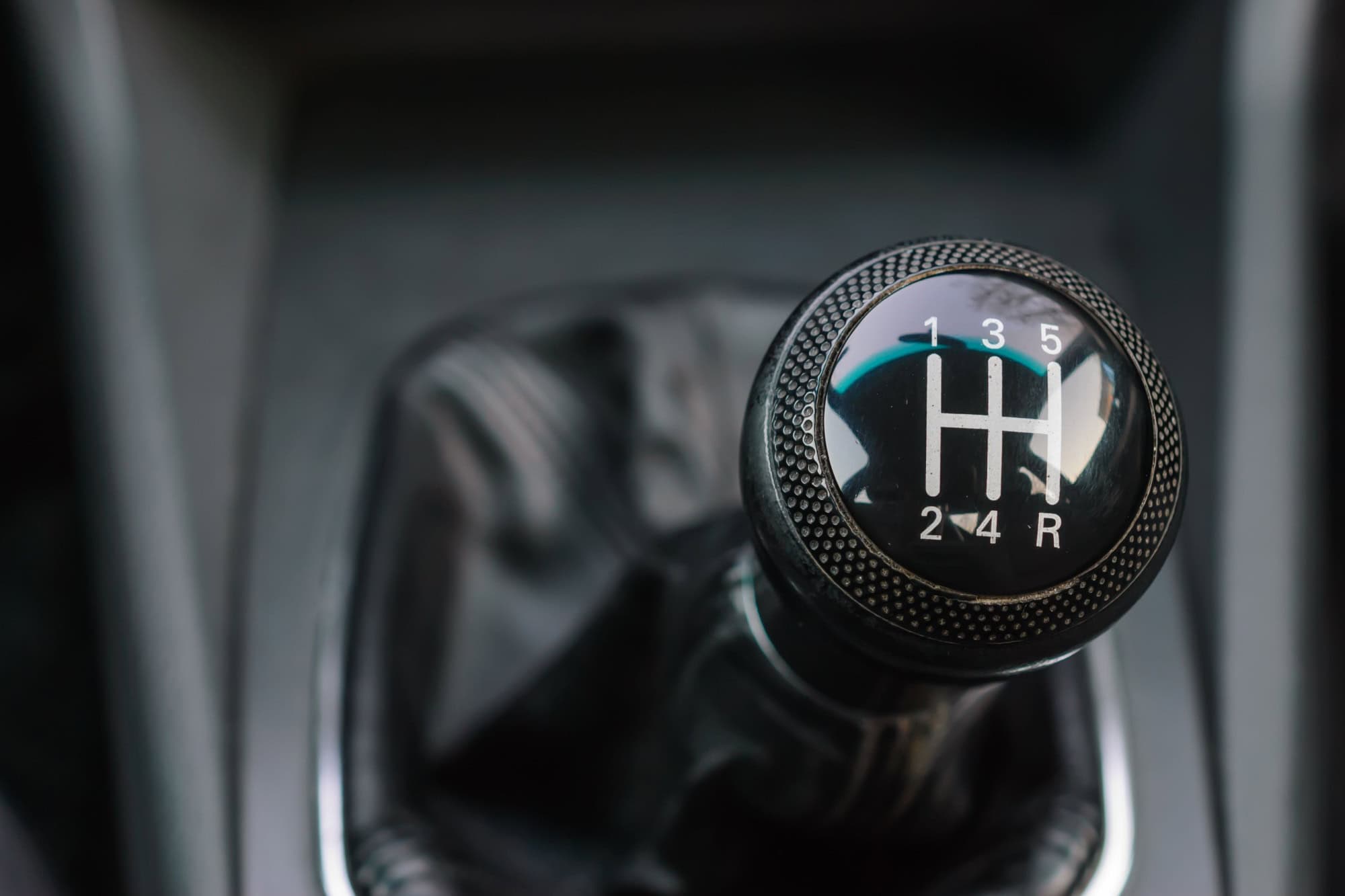
A lot of younger people drive automatic cars today, so they don’t need to change the gears manually. But for those who do, they might be surprised to know how difficult it used to be. Three-speed manual transmissions were controlled from the column.
Yes, that’s right, you had to change gears using a lever sticking out beside the steering wheel. Drivers still had to learn the shift pattern. But the way the cars were built meant there was a lot more room for a wide front bench seat. These sorts of cars disappeared almost entirely by the 2000s.
Choosing fuel by lead content
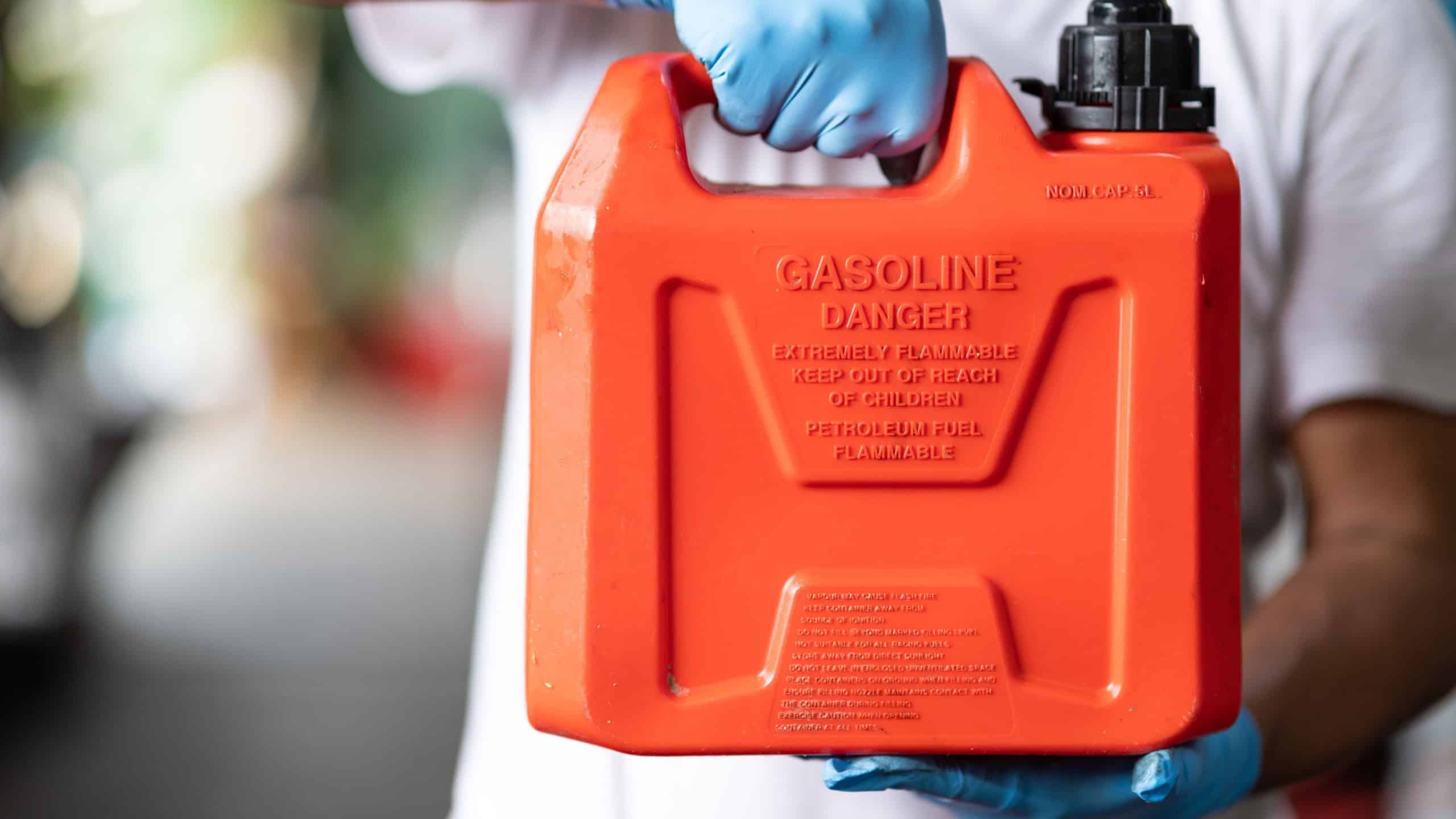
Even filling up your car was different in the past. You had to choose whether to use leaded or unleaded gas in your car, something that younger drivers never have to consider. Gas companies added tetraethyl lead to gasoline for decades because it raised octane and helped prevent engine knock.
But then came catalytic converters. These devices needed unleaded fuel, and the move away from leaded gas took place over a few years. It wasn’t until December 31, 1995, that leaded gasoline was banned for ordinary on-road vehicles in the United States.
The gas cap that disappeared
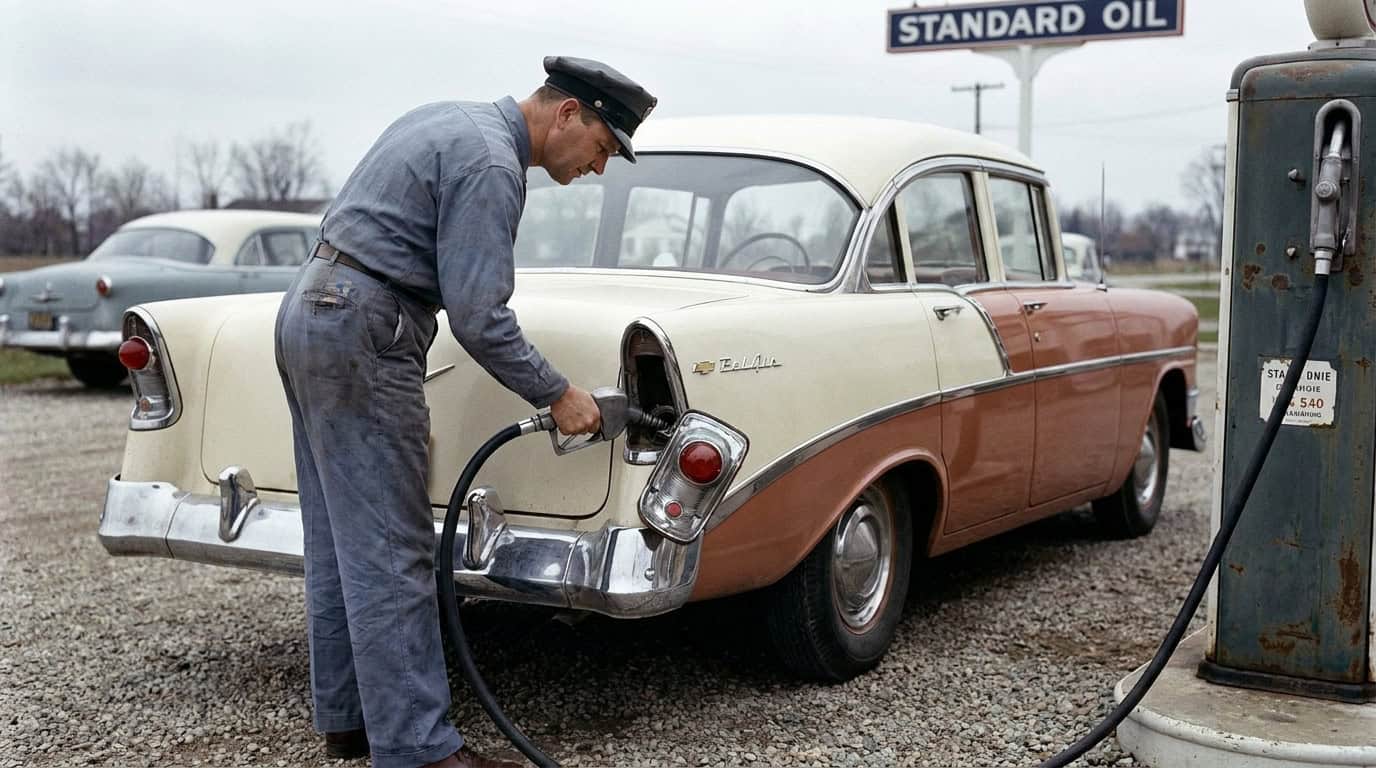
Where you put the gas wasn’t the same, either, especially for drivers of a 1956 Chevrolet. The fuel door wasn’t on the quarter panel or beside the license plate. No, it was hidden behind the left taillight, so you’d have to move it out of the way to get to the gas cap.
This model wasn’t the only one that did this. There were quite a few other American cars that hid the fuel filler elsewhere to make the body of the car look a bit cleaner. You’d really struggle to find any cars like that today.
Rain changed with the throttle
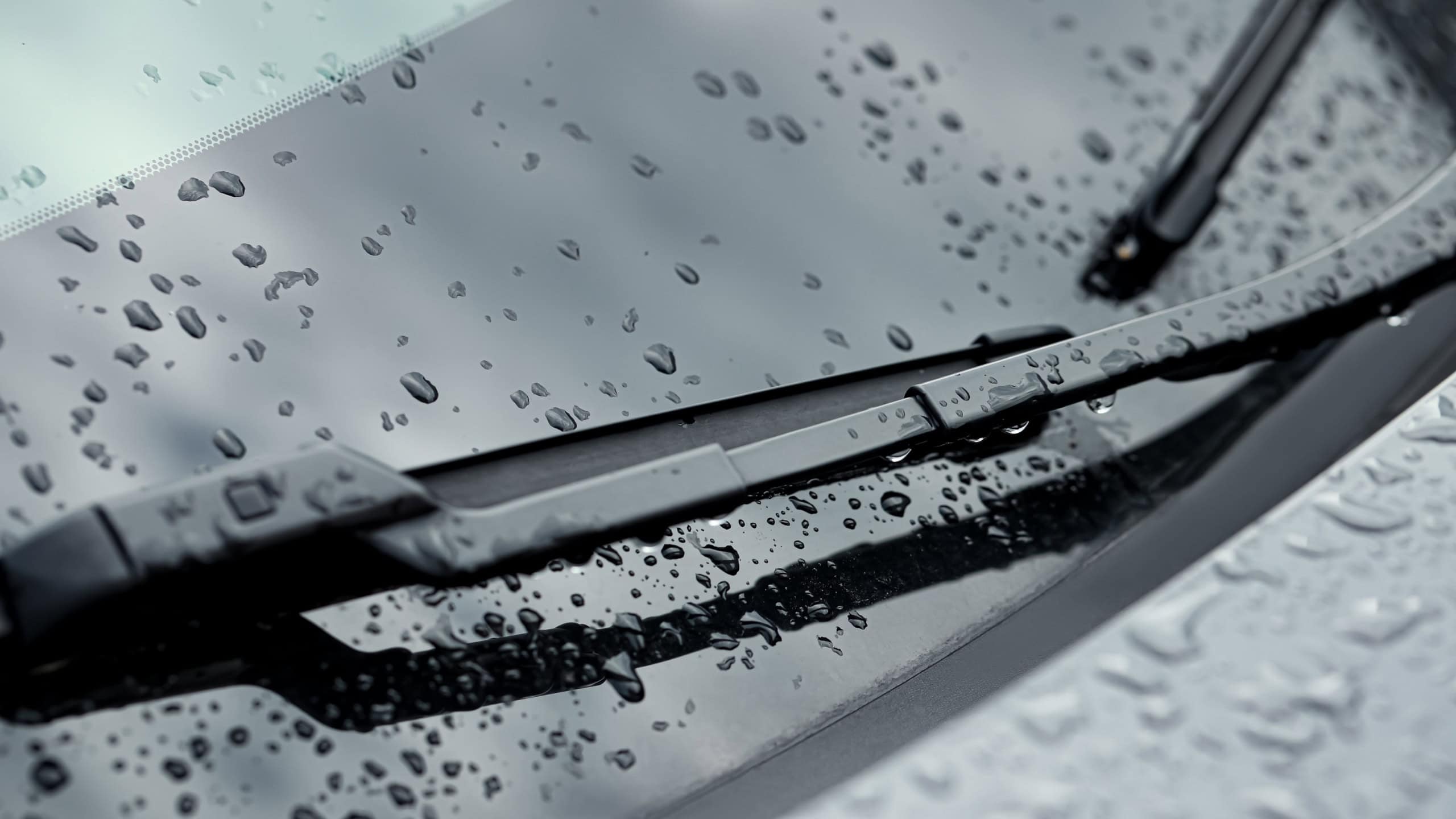
There’s no denying that older vacuum-powered windshield wipers were annoying. They worked fine, yes, but only until someone would step on the gas hard. Then the wipers would slow down, sometimes by quite a bit.
It’s because the wipers relied on engine vacuum, and when you opened the throttle under acceleration or heavy load, the vacuum dropped. It made driving up a hill in the rain a lot harder. You’d want the blades moving faster, but no, they did something else.
Music came in a plastic brick
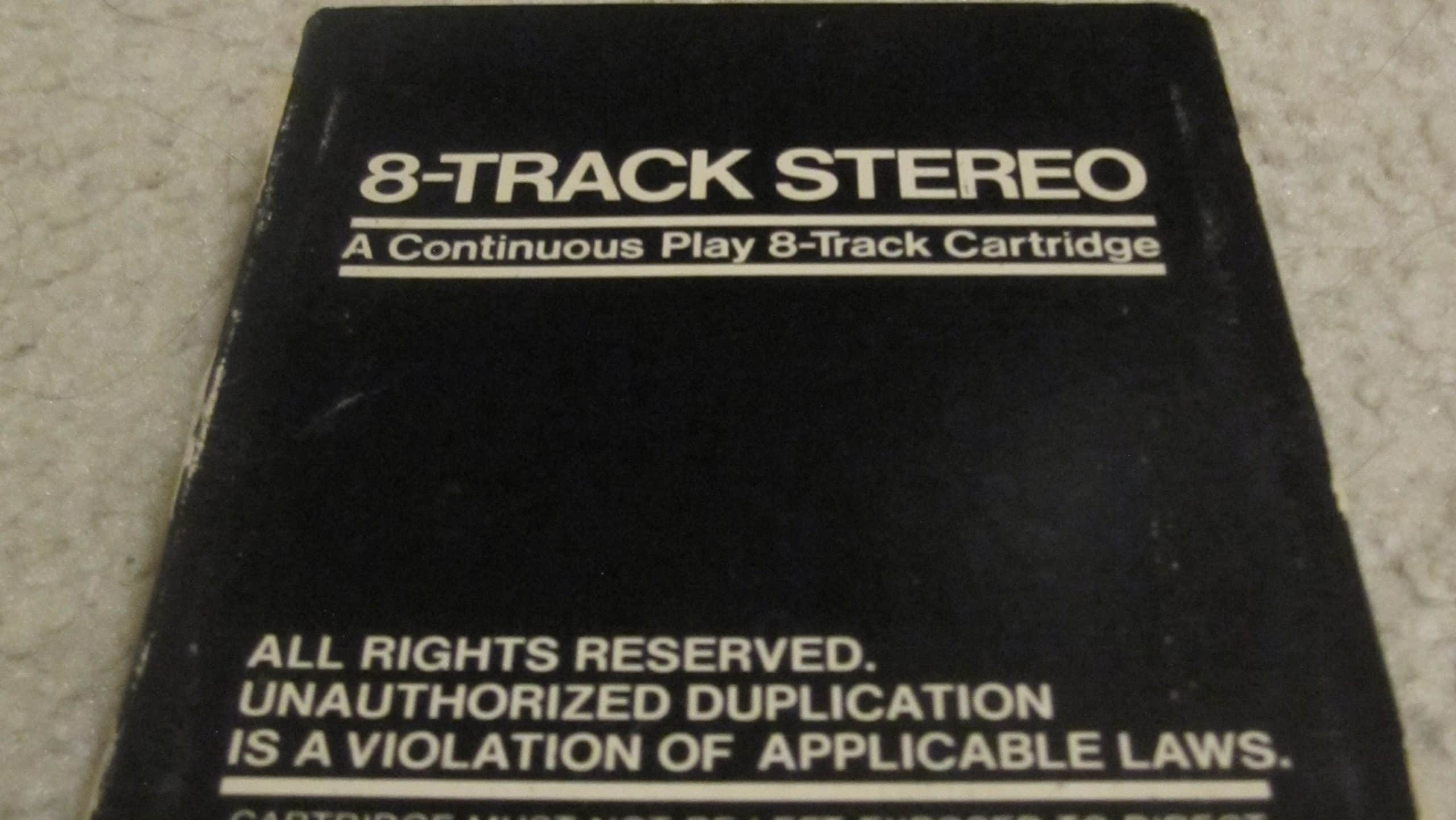
Let’s get one thing straight, boomers were able to play music in their cars. The difference is, they couldn’t just hook up their phones or even use CDs to listen along. They used 8-tracks instead. These were chunky plastic cartridges that were roughly paperback-sized.
Boomers would push the whole thing into the car’s player. That is, until compact cassettes took over and made 8-tracks pretty much obsolete. The majority of post-2000s drivers wouldn’t recognize an 8-track player today if they saw it.
The hot button in the dash
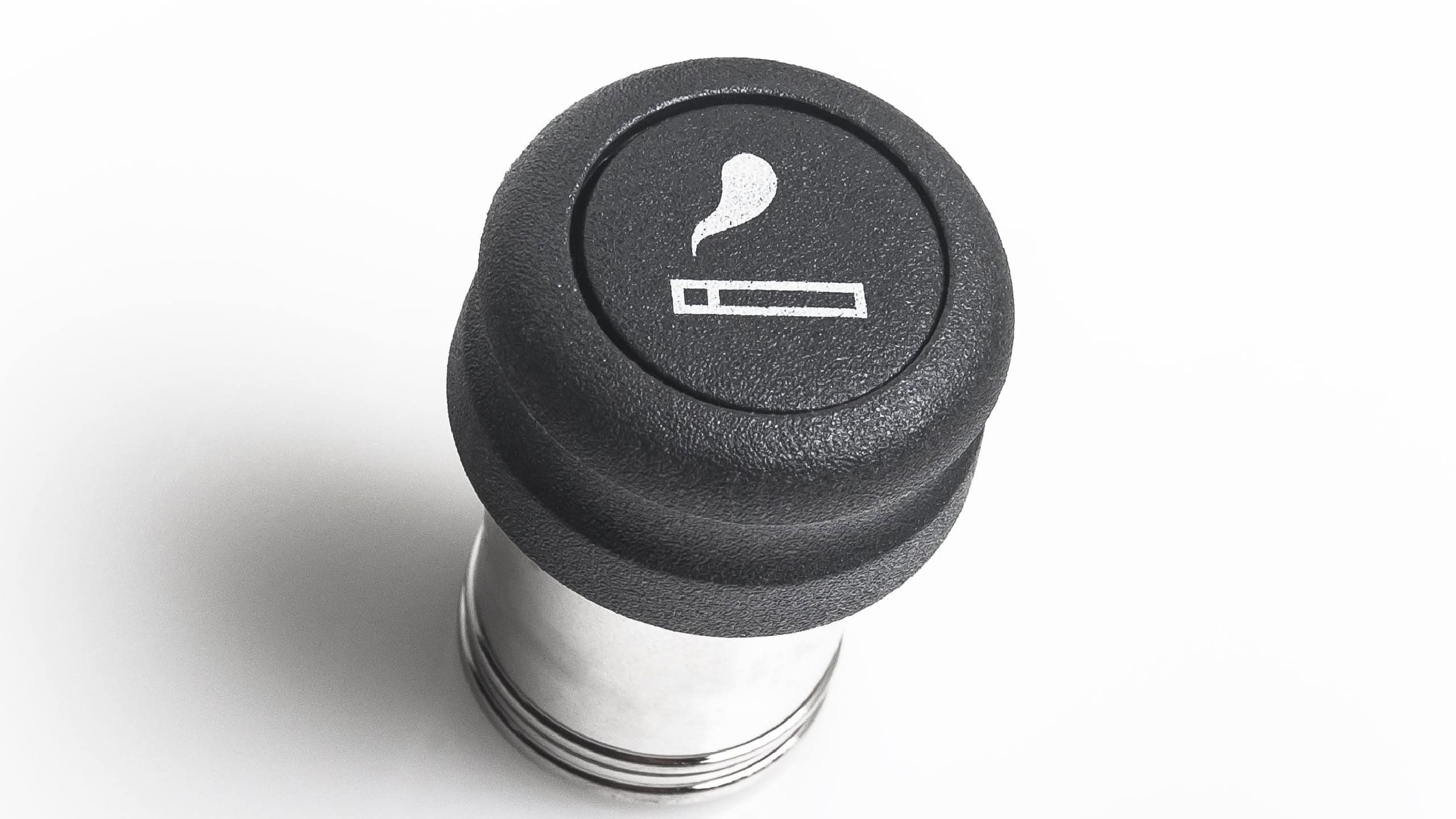
Most people use a cigarette lighter socket in their cars to charge their phone, nothing more. It wasn’t always that way. Boomers remember a time when they’d push the cigarette lighter in and wait a few seconds. Then they’d use the heating coil to light up.
It was completely normal to do that in those days, until automakers took away the heating element of the device. It’s still a 12-volt socket, but people don’t use it for its original purpose.
One strap across your waist
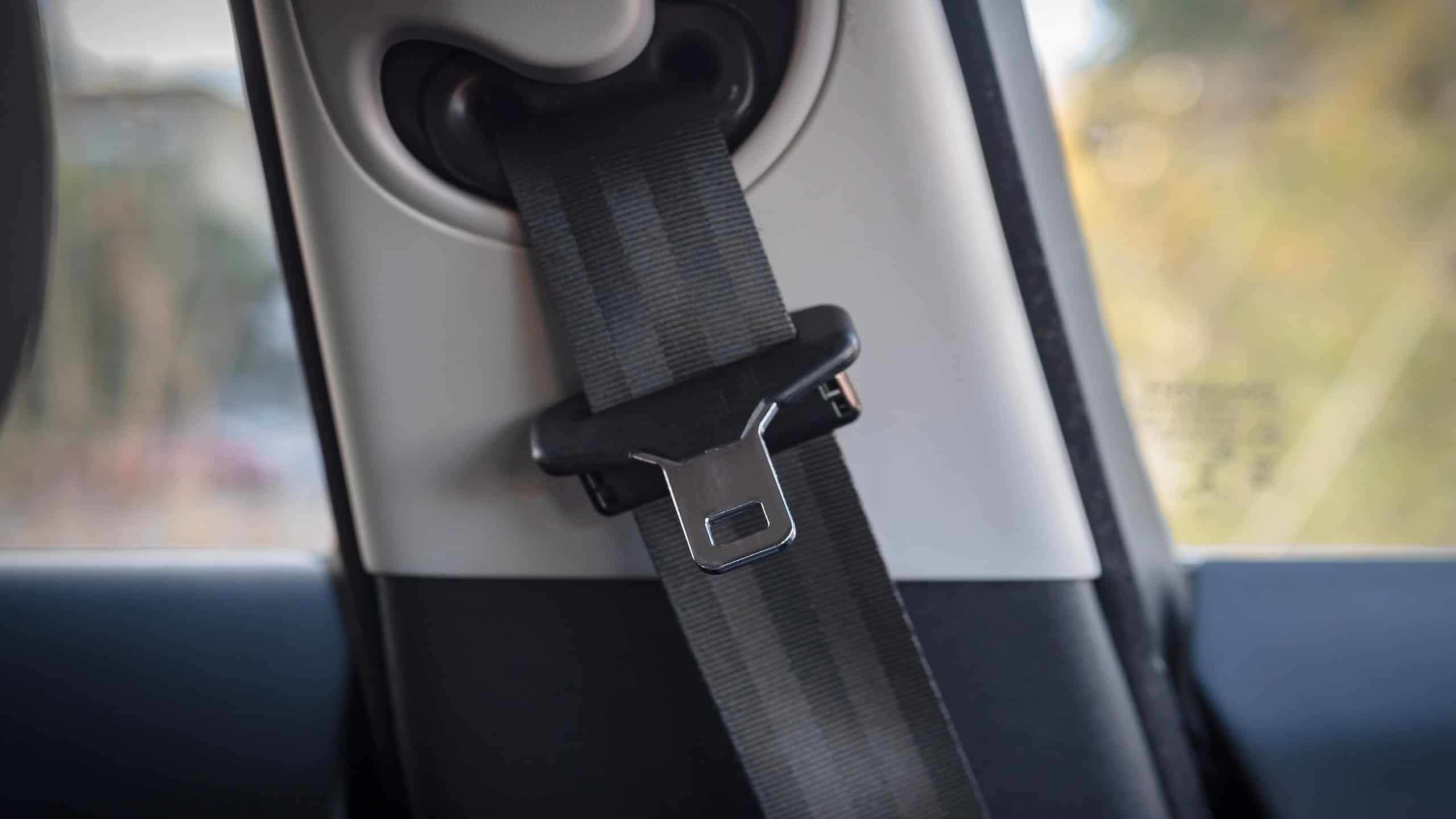
A lot of older cars have seatbelts that look like half of a regular one. That’s because they are. For years, plenty of front seats only had a lap belt, and you’d run the strap across your hips. That meant there was nothing crossing your chest.
It took until January 1, 1968, for all new cars to require shoulder restraints, although that didn’t mean older lap-belt cars suddenly disappeared. A lot of boomers kept driving them. They got used to being in a car without them, and anyone born after 2000 won’t have experienced that.
Battery maintenance meant water
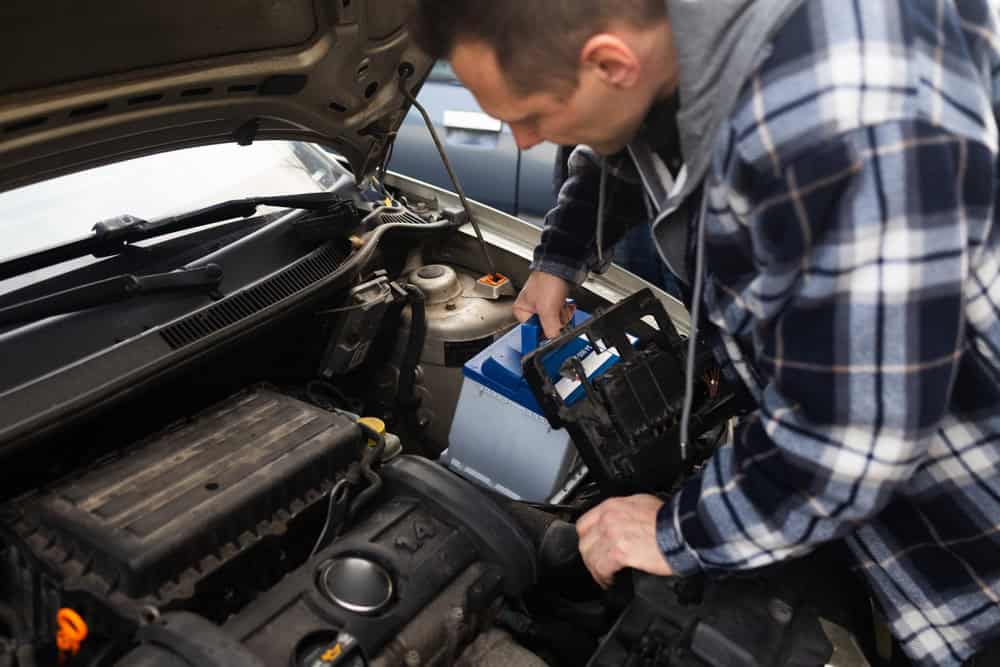
It sounds wrong. Pouring water into a car’s battery seems completely wrong, but that’s exactly what boomers had to do with their classic cars. These vehicles had flooded lead-acid batteries with removable caps over the cells, and drivers had to check the liquid inside from time to time.
Anytime it went too low, you added a little bit of distilled water. You couldn’t add whatever came out of the kitchen tap because minerals could cause problems, but still, it was another under-the-hood job to do. Sealed and AGM batteries have largely removed that chore.
Sources: Please see here for a complete listing of all sources that were consulted in the preparation of this article.
14 things baby boomers should never feel sorry about

Different generations do things differently, and Boomers don’t owe anyone an apology just because some of their habits and values seem dated.

