

Many older Americans hold onto certain products because they’ve trusted them for decades, but it turns out these household favorites may not last much longer.
The familiar warm glow
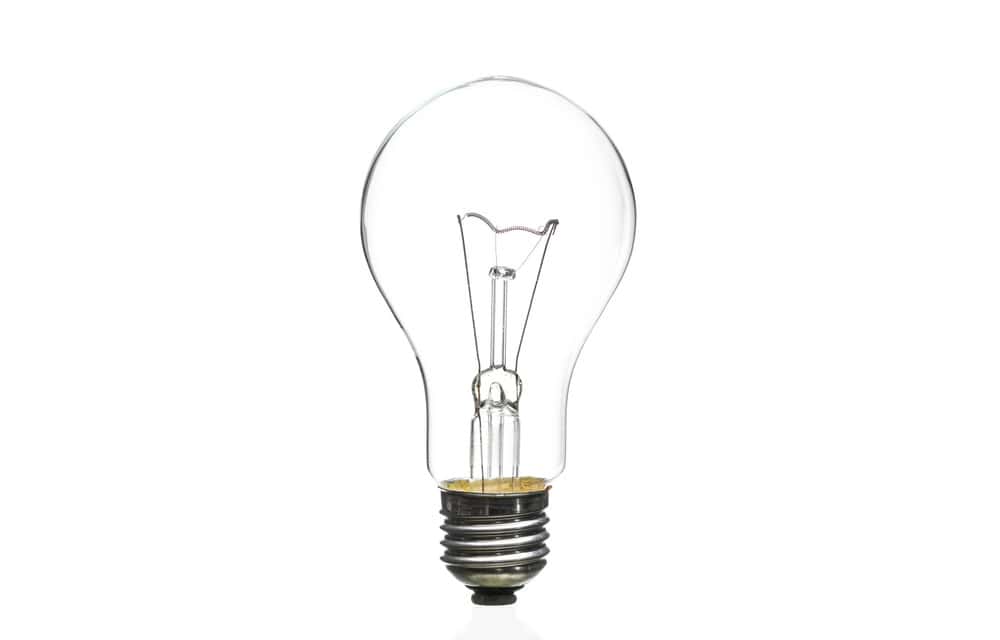
Older Americans stick to traditional incandescent light bulbs for quite a few reasons. For starters, these bulbs give their homes that kind of slightly yellow glow that they’ve been looking for, and they’re also pretty cheap to buy. They’re so easy to set up, too.
You just have to stick them in the lamp holder, simple as that. But it’s likely that these bulbs will disappear entirely soon enough, as federal law effectively stopped new ones from being sold in 2023. You can only get specialty or older ones now.
The mower that starts with a pull
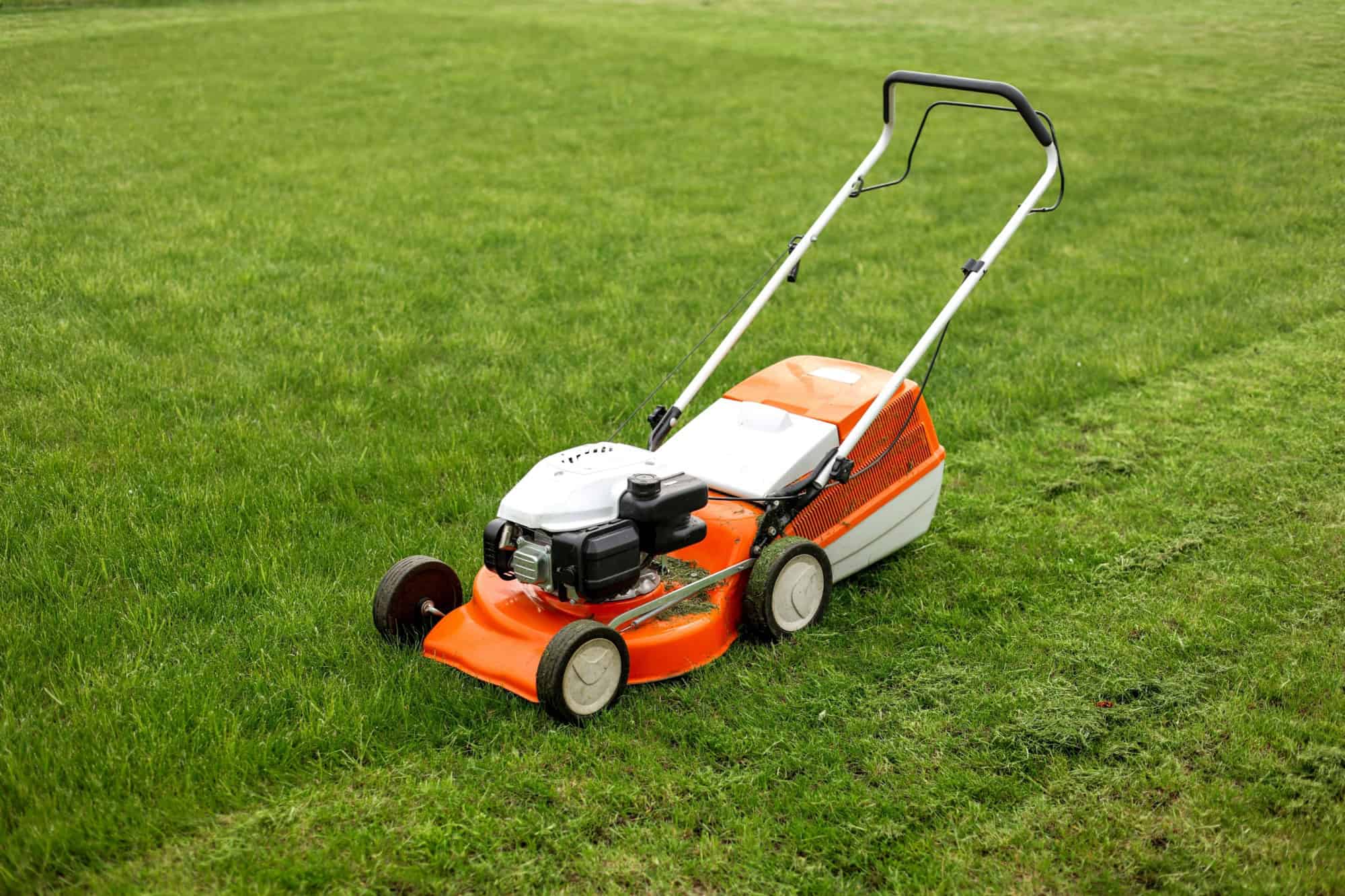
There’s one big advantage that battery-powered lawn mowers have over the gas-powered kind. They’re quieter. The truth is, that’s not enough for most older Americans because they prefer their gas-powered machines, even though they have to keep refilling the tank.
They find that whole routine more satisfying than waiting for the battery to charge. Yet a few states, including California, have changed the law around these gas guzzlers. They’re probably going to become a genuine rarity in the next few years.
The little cans in the freezer
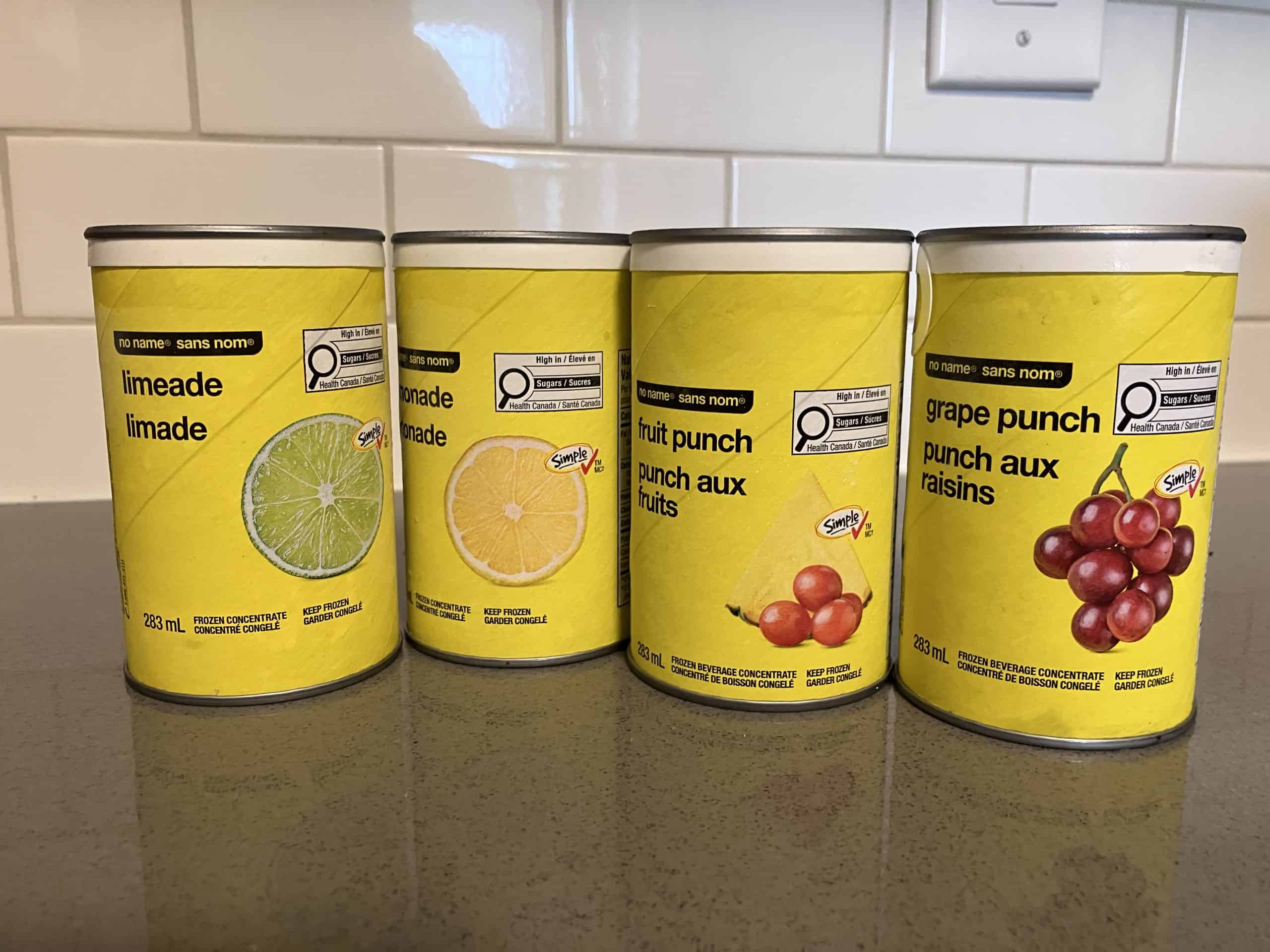
It’s kind of weird to think that frozen orange juice concentrate may not exist in the near future. It was once a breakfast essential, after all, and many older Americans have fond memories of pulling a small can of it from the freezer. They still enjoy drinking it.
Yes, these cans allow you to keep juice in the freezer without worrying that it’s going to spoil in the refrigerator. But not for much longer. Frozen concentrate is nowhere near as popular as it once was, and it looks as though the market for it may completely disappear.
The powder in the bathroom cabinet

Practically every bathroom used to have a container of baby powder, even when there was no baby living there. Many members of the older generation remember using talc-based powders as part of their post-shower routine.
Yet many big companies like Johnson & Johnson stopped selling their talc-based baby powders due to safety issues. You’ll still find them in a lot of the older generation’s homes, although maybe not for much longer.
The GPS stuck to the windshield
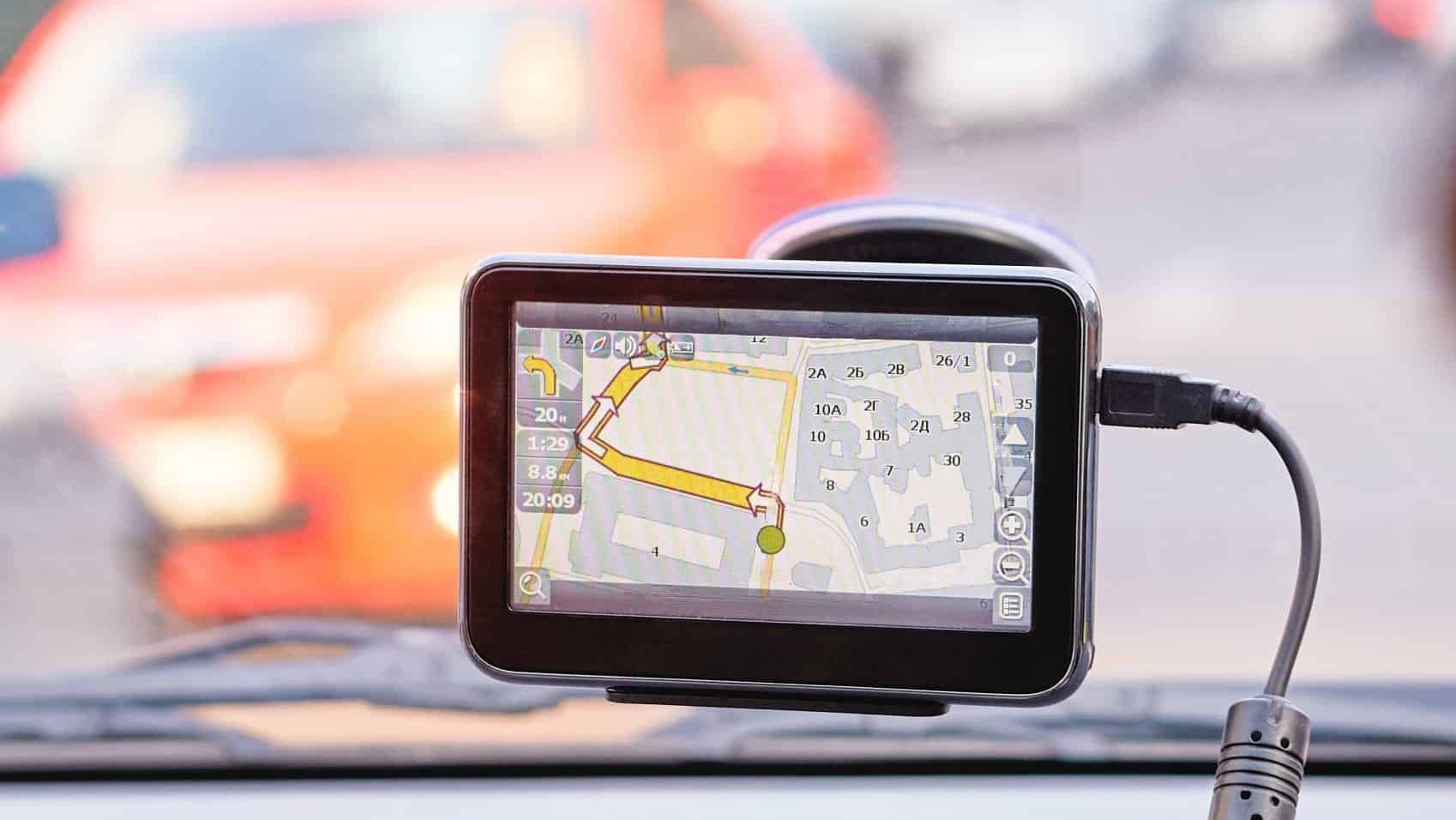
Try asking someone in the older generation why they’re still using a Garmin device instead of switching to something like Google Maps. Rest assured, they’ll have a good reason for doing so. It’ll be something like, ‘My GPS already works.’
There’s also the fact that these handheld systems don’t need you to fiddle with your phone, so they can be a little easier to use. Smartphones do it all now, though. There’s really not much point in buying a separate GPS when your phone can do the exact same thing for you.
The dashboard full of buttons
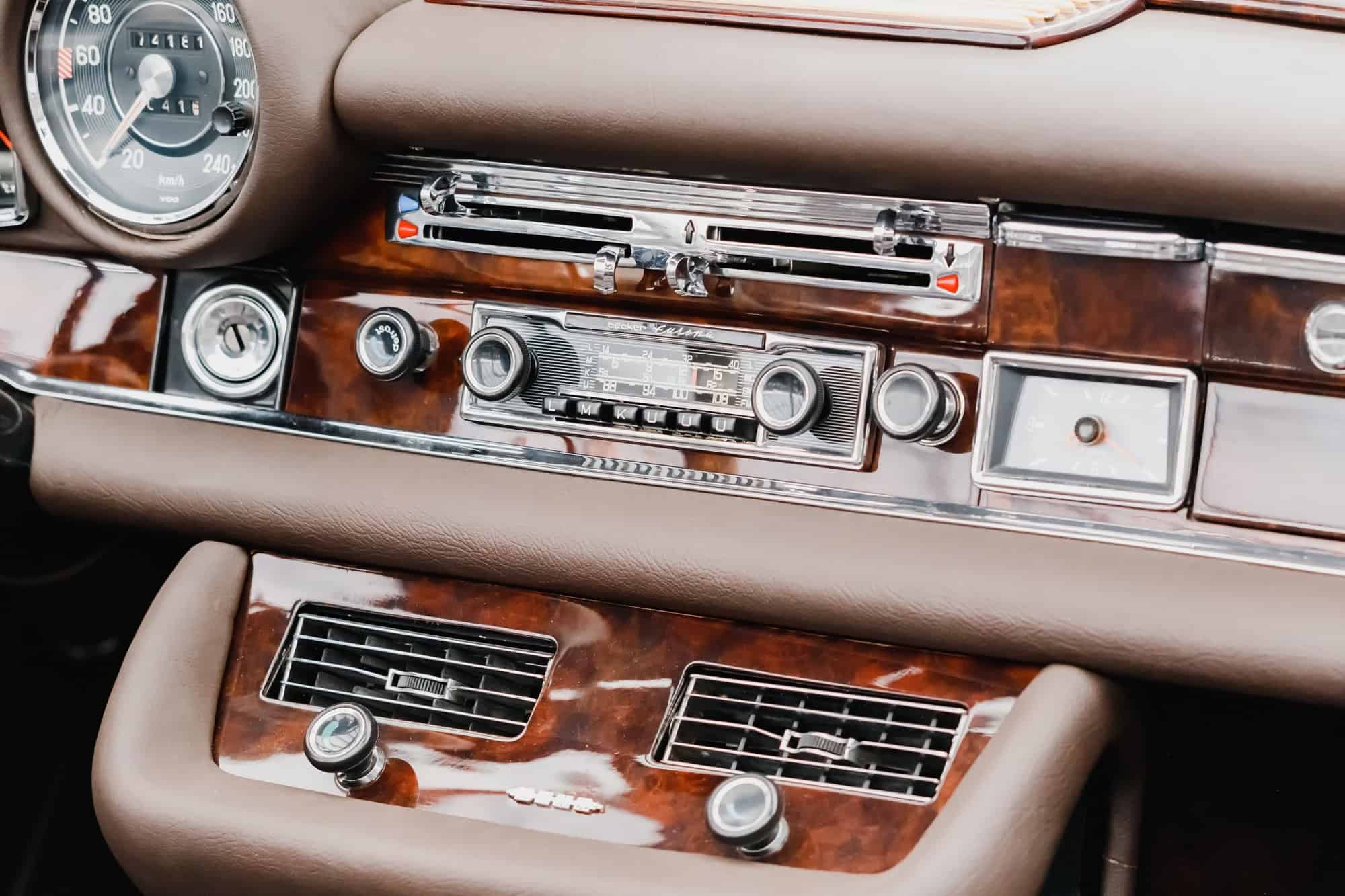
That’s not all for cars. Older generations remember a time when practically everything in a car had a physical dial or knob associated with it. They didn’t bother looking through menus when they wanted to adjust the heat, for example, because there was a button to do it for them.
A lot of these older people prefer traditional dashboards. They refuse to switch to digital because they often don’t think these systems work quite as well. Yet the push to digital systems in cars is well and truly here, so we’ll likely see all those physical buttons replaced soon enough.
The old-fashioned floor shine
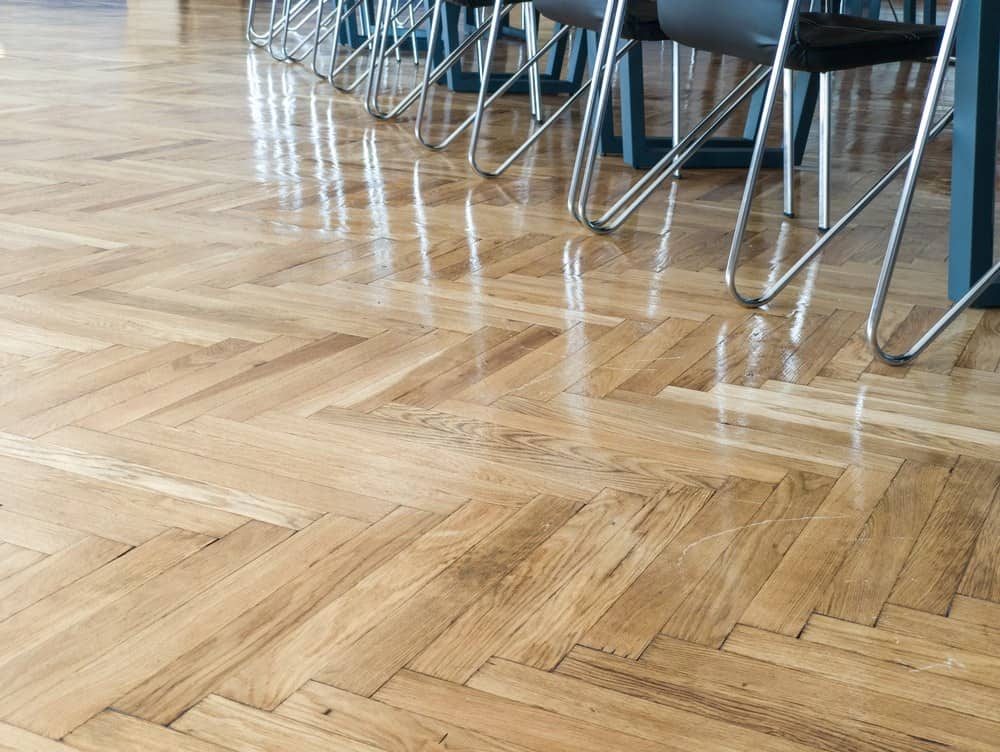
There’s no denying that using a tin of paste floor wax is a little old-fashioned. Still, there are plenty of homeowners who continue to swear by it, especially older people, as they’ve spent many years using it. Yes, they’re quite familiar with how to apply a thin coat and wait for it to dry.
They enjoy buffing out their floors until they shine because it gives their flooring that extra special look. They won’t be able to do it for much longer, however. Wax-finished floors are becoming rarer than ever, and that means traditional paste wax is becoming more pointless.
The television without the internet

Quite a few members of the older generation see television in the same way. They think there’s no point in having a TV that’s connected to the internet when all they’re trying to do is watch the evening news. That’s why they stick to non-smart television sets instead.
You can’t blame them, really, because those systems are easier to use, as there’s no need to sign in or install updates. But these sets will be a thing of the past soon enough. Manufacturers are focusing heavily on smart televisions, and that means the ‘dumb’ TVs are probably going to disappear.
The cable box beside the television
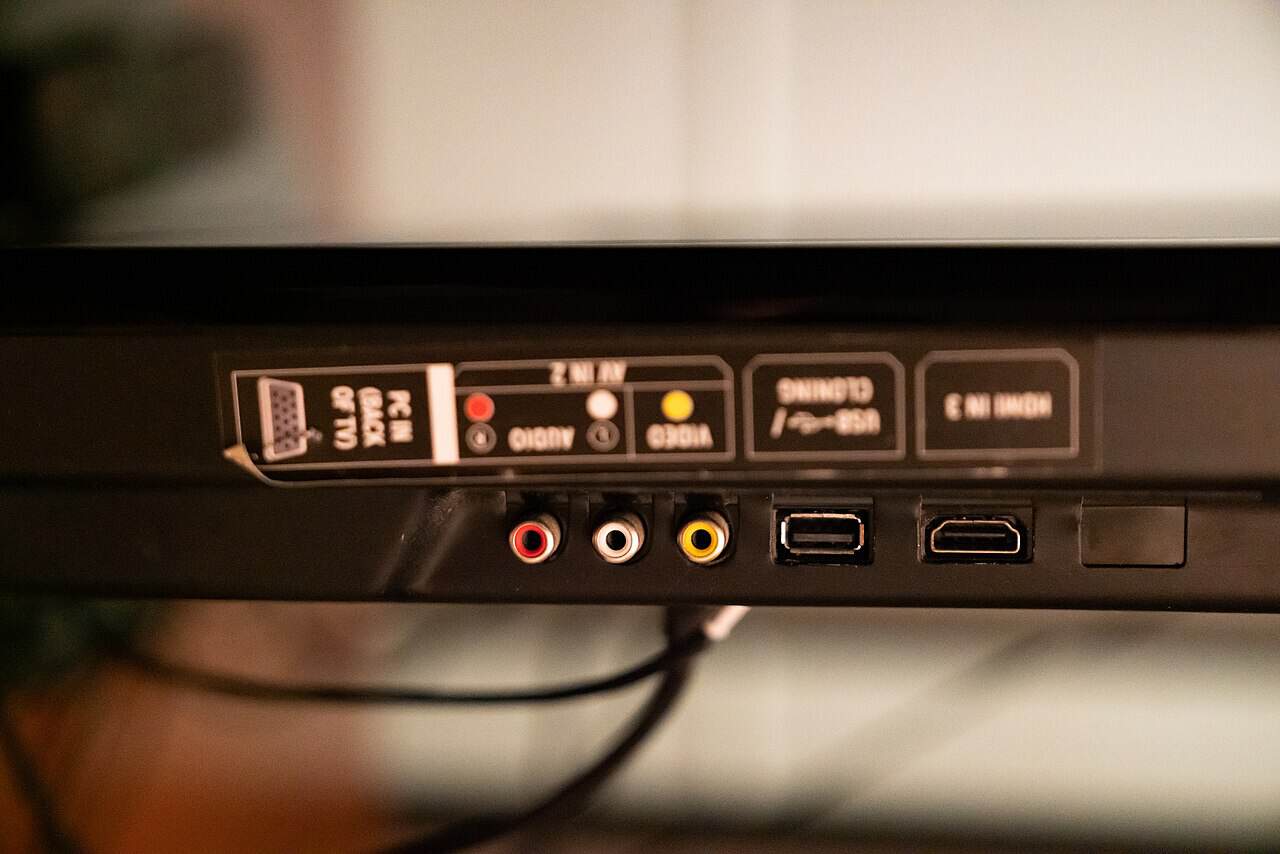
There’s more to the television story. We can’t forget the cable box sitting underneath many older Americans’ television sets, and they like using them because they don’t need to search through a dozen streaming services. Just click and watch.
The thing is, though, a lot of cable providers are pushing for people to use streaming devices instead of older cable systems. It’s likely that these boxes will be completely unnecessary and unusable in just a few years’ time.
The telephone that stays plugged in

It doesn’t matter that the telephone has been sitting in the hallway for thirty years. You can guarantee that an older American is going to keep it there because they’re so familiar with using a traditional landline. They like the fact that it works during a power outage.
That’s why it’s such a shame that these networks are gradually being retired. It’ll be impossible to use traditional copper landline phones in the near future because the systems simply won’t support them any longer. What a loss.
Sources: Please see here for a complete listing of all sources that were consulted in the preparation of this article.
15 things younger generations don’t understand about boomers

Baby boomers were raised in a very different era, and many of their habits and attitudes can seem baffling to younger generations as they don’t understand Boomers’ perspective. That’s expected and natural.
15 things younger generations don’t understand about boomers

